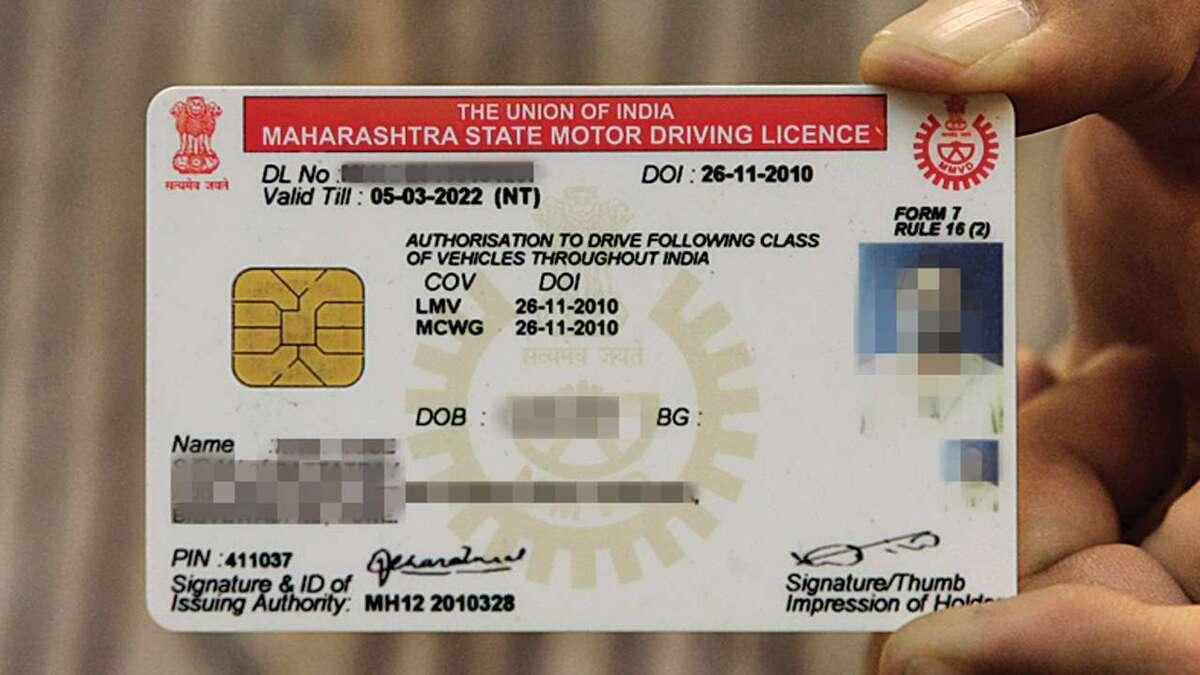
In India, obtaining a driver's license has traditionally been a cumbersome process, requiring applicants to visit multiple agencies and complete numerous forms.
This complexity has escalated unethical practices and bureaucratic delays, ultimately impacting road safety across the nation.
To address these inefficiencies, the Ministry of Road Transport and Highways has introduced significant changes to streamline the process and enhance safety.
Major Changes to Driving License Rules Starting June 1:
1.Flexible Exam Locations:
Applicants can now take their driving tests at any nearby certified center instead of being restricted to regional transport offices (RTOs). The government will authorize private companies to administer these exams.
2.Stricter Penalties for Unlicensed Driving:
Driving without a valid license will incur penalties up to ₹2,000.
If a minor is caught driving, the fine can escalate to ₹25,000, and legal action may be taken against the parents. Additionally, the vehicle's registration certificate will be canceled.
3.Simplified Paperwork:
The paperwork requirements for obtaining a driver's license have been streamlined. Applicants will be informed in advance about the exact documents needed for the type of license they are applying for.
4.Environmental Initiatives:
The ministry plans to phase out 9,000 outdated government vehicles and tighten emission standards to promote eco-friendly highways.
5.Application Process:
Applicants can continue to apply for a driver's license online through the Ministry of Road Transport and Highways' official website (https://parivahan.gov.in/) or in person at the relevant RTO.
Revised Guidelines for Private Driving Schools:
1.Driving training centers must have at least 1 acre of land for general training and 2 acres for four-wheeler training.
2. Schools must provide access to suitable testing facilities.
3.Trainers need a high school diploma (or equivalent), a minimum of 5 years of driving experience, and knowledge of biometrics and IT systems.

 Follow us