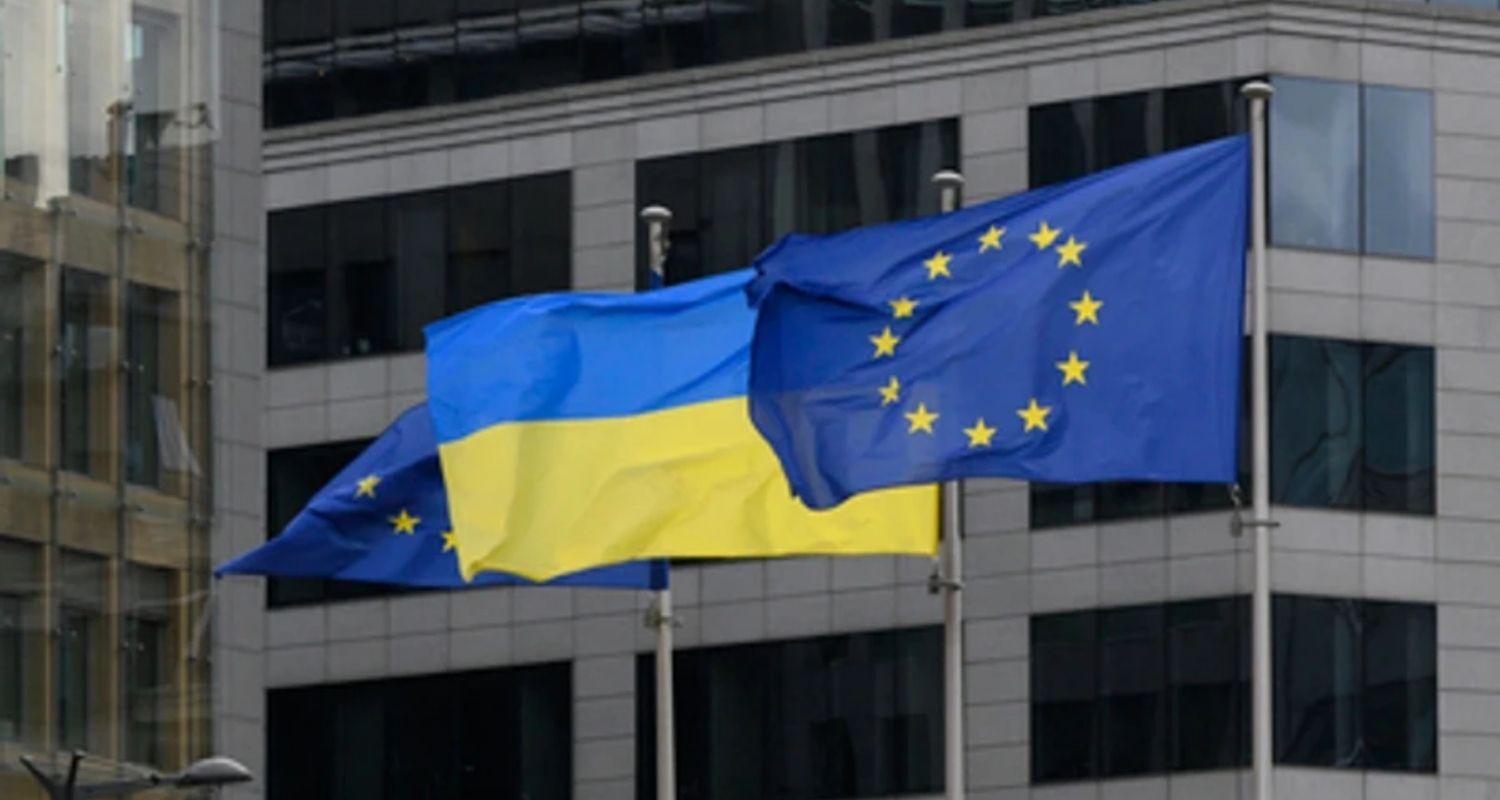
The European Union on Thursday approved a large-scale loan package aimed at supporting Ukraine’s economic stability and military requirements over the next two years, following Hungary’s decision to withdraw its veto, according to the bloc’s Cypriot presidency.
The agreement clears the way for a financial assistance package worth 90 billion euros (about USD 106 billion) to be disbursed to Ukraine, which is facing continued economic strain and wartime pressures amid its ongoing conflict with Russia.
Cypriot finance minister Makis Keravnos confirmed that the Council had approved the final measure required to release the funds, describing it as ‘vital support for Ukraine’s most pressing budgetary needs’. He added that disbursements would begin ‘as soon as possible’.
The financial package is intended to help Ukraine maintain essential government operations, stabilise its economy, and sustain defence efforts against Russian forces. Officials in Brussels have repeatedly warned that Ukraine’s fiscal needs remain urgent as the war continues to drain public resources.
Alongside the loan approval, EU member states also endorsed a new set of sanctions targeting Russia over its ongoing war in Ukraine. These measures had originally been prepared earlier in the year and were expected to be announced in February, coinciding with the fourth anniversary of the conflict. However, their adoption was delayed due to objections from Hungary and Slovakia.
Tensions within the bloc had intensified in recent months, particularly between Hungary and Slovakia on one side and Ukraine on the other, following disruptions in Russian oil supplies. Deliveries to both EU countries were halted in January after damage to a key pipeline, which Ukrainian officials attributed to Russian drone strikes. The developments further strained already fragile relations.
Hungary’s initial refusal to support the loan package had delayed agreement among EU members, with Budapest previously withdrawing from a December compromise on funding commitments. Its eventual decision to lift the veto allowed the long-stalled financial package to move forward.
EU officials say the combined financial and sanctions measures are intended to reinforce Ukraine’s resilience while maintaining pressure on Moscow as the war continues with no clear end in sight.

 Follow us