
Trending:
RBI Rate Hike: Will Your FD Interest Rate Rise?
RBI may hike rates on October 7. Find out how a rate hike could impact FD rates, bank deposits and returns for investors. Follow us
News Arena India - New Delhi - UPDATED: October 5, 2026, 03:39 PM - 2 min read
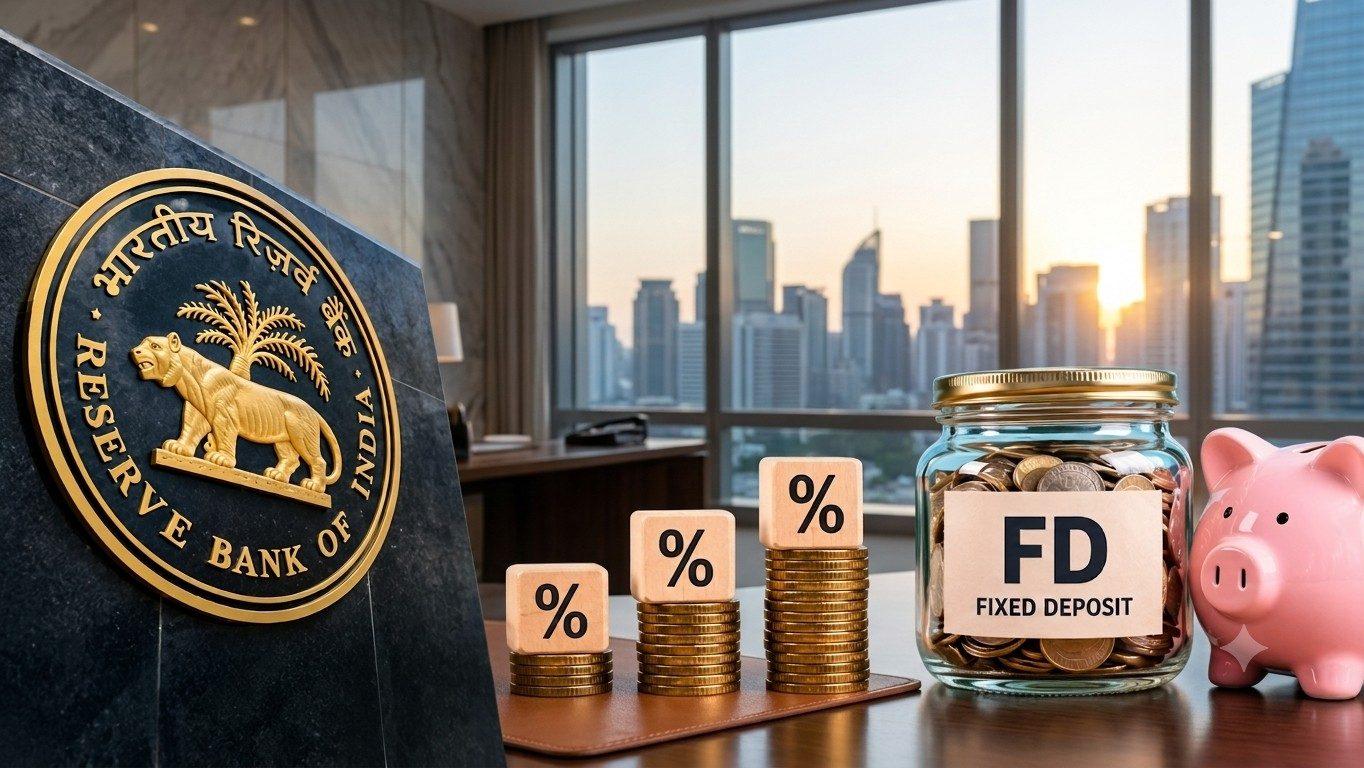
RBI Rate Hike: Will FD Interest Rates Rise?
The Reserve Bank of India is widely expected to raise the repo rate by 25 basis points on October 7, a move that could put pressure on banks to offer higher fixed deposit rates as they compete for deposits and deal with increased funding costs.
The RBI’s Monetary Policy Committee is scheduled to meet from October 5 to 7, with the policy announcement due on October 7. Most economists expect the repo rate to rise to 5.50 per cent from the current 5.25 per cent. If implemented, it would be the first repo rate increase since February 2023.
The expected decision comes as consumer price inflation remains above the RBI’s medium-term target of 4 per cent. CPI inflation reached 4.82 per cent in August, while higher crude oil prices and tighter monetary conditions globally have added to inflationary and currency-related pressures.
Why FD rates may increase
A change in the repo rate does not automatically lead to an equal or immediate revision in fixed deposit rates. However, a sustained rise in interest rates can increase the overall cost of funds for banks. Lenders are also under pressure to mobilise deposits while credit demand remains strong.
At several banks, credit growth has been outpacing deposit growth. To support their loan books, lenders need to attract more household savings, with term deposits being one of the most direct instruments available for this purpose.
If the RBI starts a rate-hiking cycle, banks could therefore have a stronger reason to improve FD returns, particularly on maturities where they need to raise additional funds.
Higher repo rate could raise funding pressure
The repo rate is the rate at which banks borrow short-term funds from the RBI. An increase generally raises borrowing and money-market costs for the banking system. Over time, higher market rates can also affect banks’ broader funding expenses.
Banks mainly rely on deposits and borrowings for funds, with deposits serving as the core base for their lending operations. If lenders require more deposits to finance loan growth, they may need to offer customers better returns on fixed deposits.
This pressure is especially relevant as banks are already competing to attract deposits. A higher interest-rate environment could intensify the contest among lenders for household savings.
Will every bank raise FD rates by 25 basis points?
Not necessarily. A 25-basis-point increase in the repo rate does not mean that all banks will immediately raise their FD rates by the same margin.
Before revising deposit rates, banks assess factors such as liquidity, credit demand, the size of their existing deposit base, deposit maturity patterns and competition from other lenders. A bank with sufficient deposits may delay a rate increase, while one seeking to accelerate deposit mobilisation could act sooner.
Any revision may also be limited to selected maturities. Banks could increase rates on specific tenures where they want to attract funds rather than change rates across all FD periods.
Why deposit competition is increasing
The need to attract deposits has grown as loan expansion has remained relatively strong. When advances increase faster than deposits, banks must secure additional funding to sustain lending, which can lead to sharper competition for savers’ money.
Higher government bond yields may add to the pressure. Bank deposits compete with other comparatively safe fixed-income options, and lenders may need to keep FD returns attractive when market yields remain elevated.
Some banks have already revised their FD rates ahead of the October MPC meeting, although the timing and scale of those changes have differed from one lender to another.
What the possible rate cycle means for FD investors
A potential rate-hiking cycle could benefit savers who are considering new fixed deposits. If banks raise FD rates, investors who do not need immediate access to their money may be able to lock in better returns.
However, investors may not want to commit their entire savings to very long-term FDs based only on the expectation of a single repo-rate increase. If the RBI continues with further hikes, deposit rates could rise in stages, and an immediate long-term investment could prevent savers from benefiting from higher rates later.
FD laddering, or spreading deposits across different maturities, can help investors manage this risk and avoid locking all their money into one interest-rate cycle.
Impact on existing fixed deposits
For most existing FD holders, a repo-rate increase will not alter the interest rate already applicable to their deposits. The rate is generally fixed for the tenure selected when the deposit was opened, unless the product carries specific variable-rate terms.
As a result, any benefit from higher FD rates would mainly go to customers booking new deposits or renewing deposits that mature after banks revise their rates.