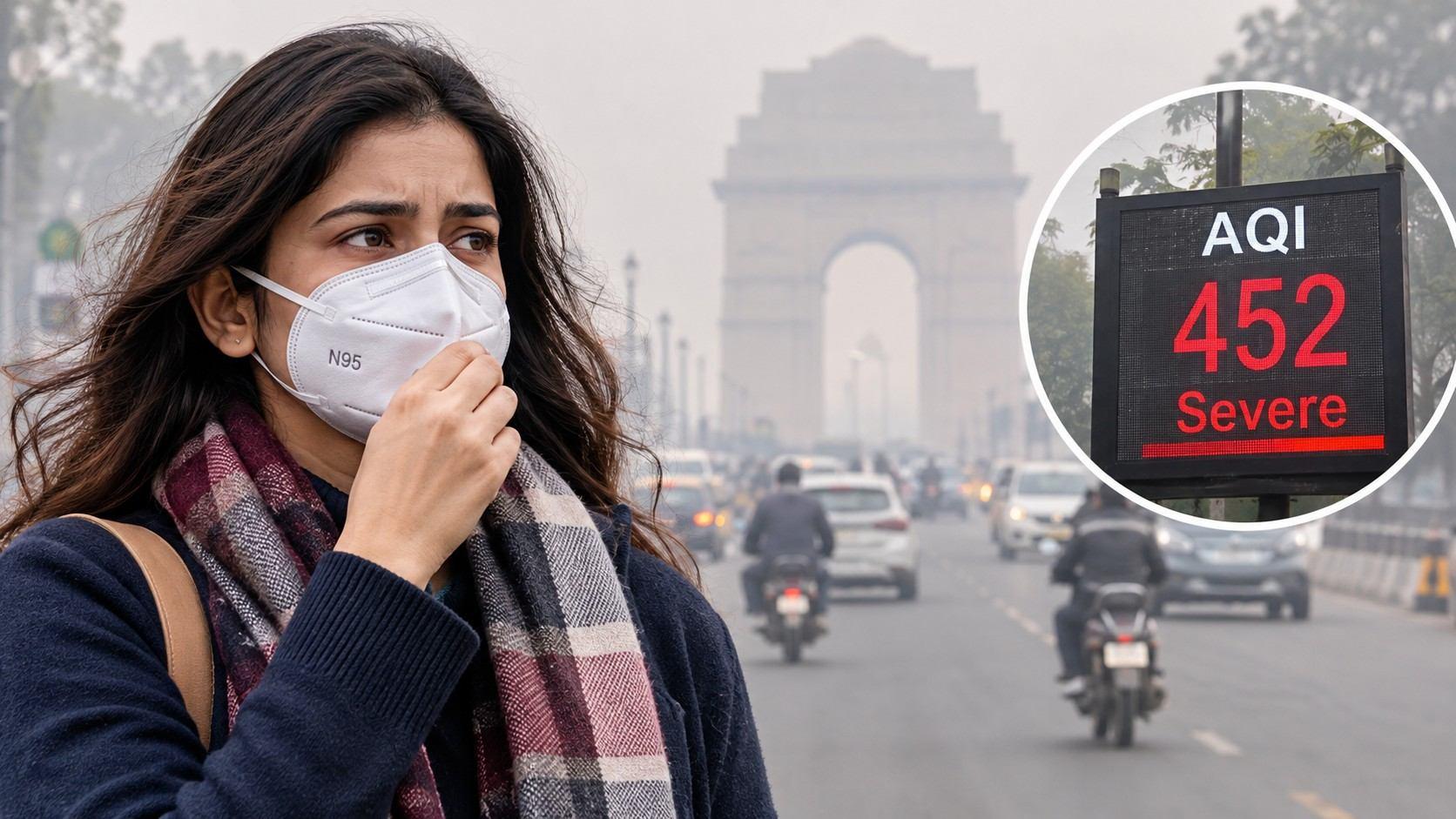
Air pollution levels surged after Diwali, with the Air Quality Index (AQI) reaching 483 at 8:10 am. An AQI above 400 is classified as severe and can pose immediate risks to respiratory and cardiovascular health.
Even short-term exposure to such polluted air may affect the body immediately and contribute to longer-term health problems. PM2.5 particles are small enough to pass through the nose’s natural filtration system, penetrate deep into the lungs and enter the bloodstream.
People exposed to very high pollution levels may experience coughing, wheezing, throat irritation and breathing difficulty. Pollution can also aggravate existing conditions, including asthma and Chronic Obstructive Pulmonary Disease (COPD). Once pollutants enter the bloodstream, they may contribute to oxidative stress and inflammation throughout the body.
Precautions before stepping outdoors
Going outside may be difficult to avoid during the festive season, but children, older adults, pregnant individuals and people with existing heart or lung conditions face a higher risk of acute complications.
Check the AQI: Monitor real-time air quality in your area before leaving home. The Central Pollution Control Board (CPCB) and dependable air-quality monitoring applications can provide updates.
Choose an appropriate mask: Cloth and regular surgical masks do not adequately filter PM2.5 particles. A properly fitted N95, N99 or FFP2 respirator offers better protection against fine pollutants. The mask should fit closely around the face so that contaminated air does not enter through gaps.
Plan outings carefully: Early mornings and late evenings can record higher pollutant concentrations because of temperature inversions. If going out is necessary, mid-afternoon may offer comparatively lower pollution levels. Wind and rain can temporarily improve air quality and may also be considered while planning outdoor activities.
Reduce outdoor exertion: Avoid strenuous exercise and other demanding outdoor activities, as they can increase the amount of polluted air inhaled.
Improve indoor air quality: HEPA air purifiers can help reduce indoor pollution. Their filters should be cleaned and replaced regularly to maintain effectiveness.
When air quality is poor, keep doors and windows shut as far as possible. Activities that add to indoor pollution, including smoking, burning candles and using certain cleaning products or sprays, should also be limited.
Stay hydrated and eat a balanced diet: Adequate fluid intake supports the body’s natural processes for managing and eliminating toxins. Foods containing antioxidants, including berries, oranges and leafy green vegetables, can also be included to support respiratory health.
When to seek medical help
Watch for symptoms such as breathlessness, persistent coughing, or irritation in the eyes and throat. Medical attention should be sought promptly if these symptoms continue or become more severe.
When pollution levels remain high, avoiding outdoor activities whenever possible is the safest approach.
Disclaimer: This article, including the health advice provided, is for general information only and is not a substitute for consultation with a qualified medical professional. Always seek advice from a specialist or your doctor for individual guidance.

 Follow us