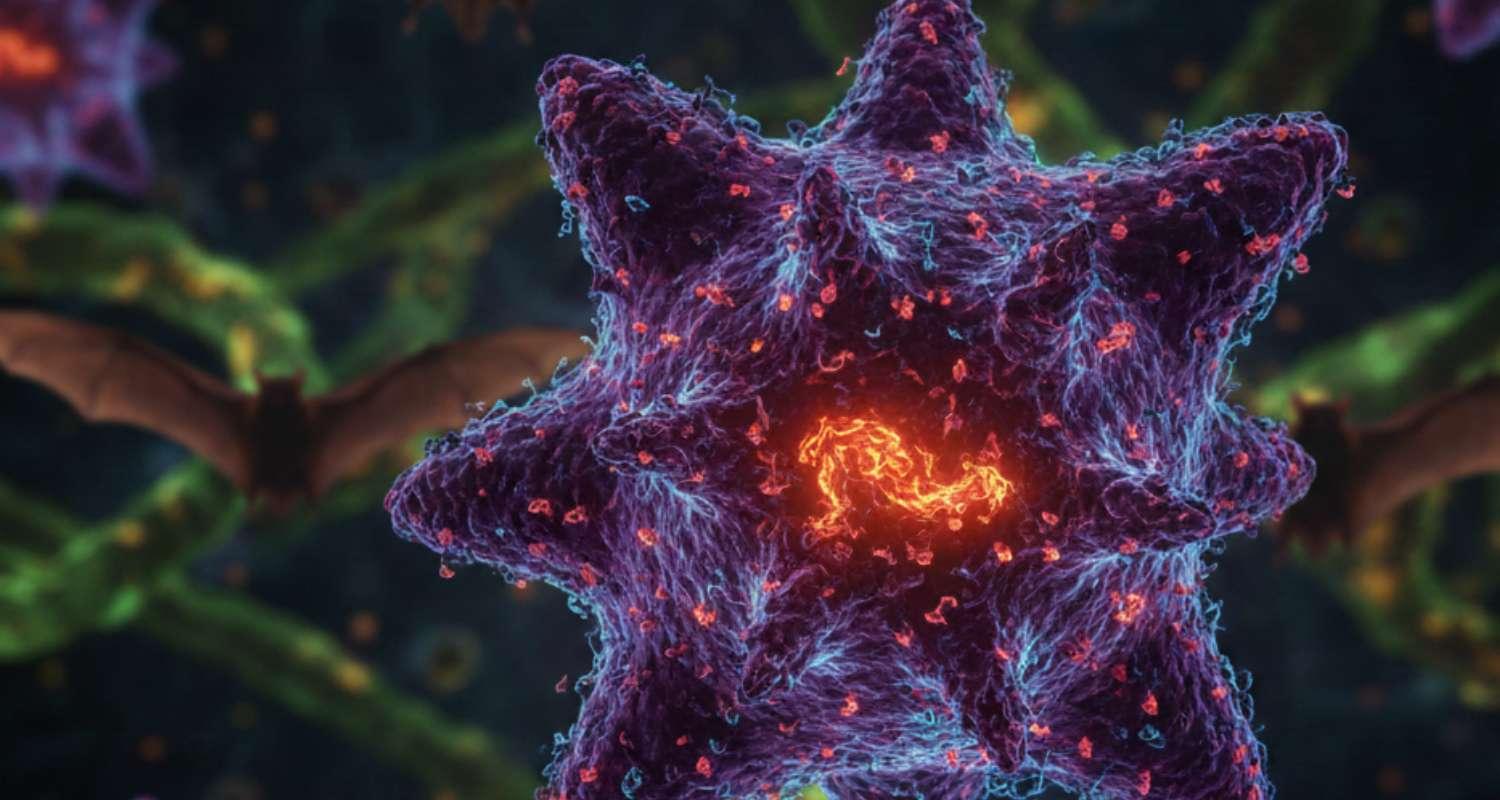
An outbreak of the deadly Nipah virus in India has put many countries in Asia on high alert, given that the fatality rate in humans can be between 40% and 75%. Several countries, including Thailand, Malaysia, and Singapore, have introduced new screening and testing measures after at least two people died of the Nipah virus in the Indian state of West Bengal this month.
What is the Nipah virus?
Like Hendra virus, Nipah is in a category of viruses called henipaviruses. It is zoonotic. This means that the virus can spread from animals to humans.
Three major ways in which the Nipah Virus can be transmitted —
- The first is via exposure to bats, and in particular via contact with the saliva, urine, or faeces of an infected bat. Infections can also occur from contact with other infected animals, such as pigs in the original outbreak in Malaysia.
- The second way it can be transferred is through contaminated foods, particularly date palm products. This means consuming date palm juice or sap that is contaminated with the bodily fluids of infected bats.
- The third is human-to-human transmission. Nipah transmission between humans has been reported via close contact, such as caring for a sick person. This can mean, for example, being infected with bodily secretions contaminated with the virus in households or hospitals. This is thought to be less common than the other transmission pathways.
What are the symptoms?
Nipah virus infections happen quickly. The time from infection to symptoms appearing is generally from four days to three weeks.
Around half the people who get severe Nipah virus infection die of it. The symptoms can vary in severity. It can cause pneumonia, just as COVID could. But the illness most worried about is neurological symptoms; Nipah can cause encephalitis, which is inflammation of the brain. These effects on the brain are why the fatality rate is so high.
Symptoms —
- Fever
- Seizures
- Difficulty breathing
- Falling unconscious
- Severe headaches
- Being unable to move a limb
- Jerky movements
- Personality changes, such as suddenly behaving oddly or experiencing psychosis.
Unusually, some patients who survive the acute phase of a Nipah infection can get relapsed encephalitis many years later, even more than a decade later.
Is there any treatment or vaccine?
Not yet, but in Australia, development of a treatment called m102.4 is underway. There was a phase 1 trial of this treatment published in 2020, which is where researchers give it to healthy people to see how it goes and if there are any side effects. The trial found that a single dose of the treatment was well tolerated by patients. So it is still quite a way off from being actually available to help people infected with the Nipah virus, but there’s hope. There is currently no vaccine for the Nipah virus. In theory, m102.4 it could be a preventative, but it’s too early to say; at this point, it is being trialled as a treatment.
How worried should I be?
This Nipah outbreak in India is worrying because there’s currently no prevention or treatment available, and it’s a severe disease. While it is an important disease, it isn’t likely to be a public health issue on the same scale as COVID. This is because it doesn’t transmit efficiently from person to person, and the main way it is transmitted is from food and infected animals.
For people living outside of areas where cases are currently being reported, the risk is low. Even in the affected areas, the number of cases is small at this stage, but public health authorities are taking appropriate control measures.
If you become unwell after travelling to areas where cases have been reported, you should let your doctor know where and when you travelled.
Overall, though, everything needs to be put in context. We hear about new viruses and incidents all the time. Nipah is important for affected countries, but outside of those countries, it is just something being closely monitored and is being kept alert for. (Via —The Conversation)

 Follow us