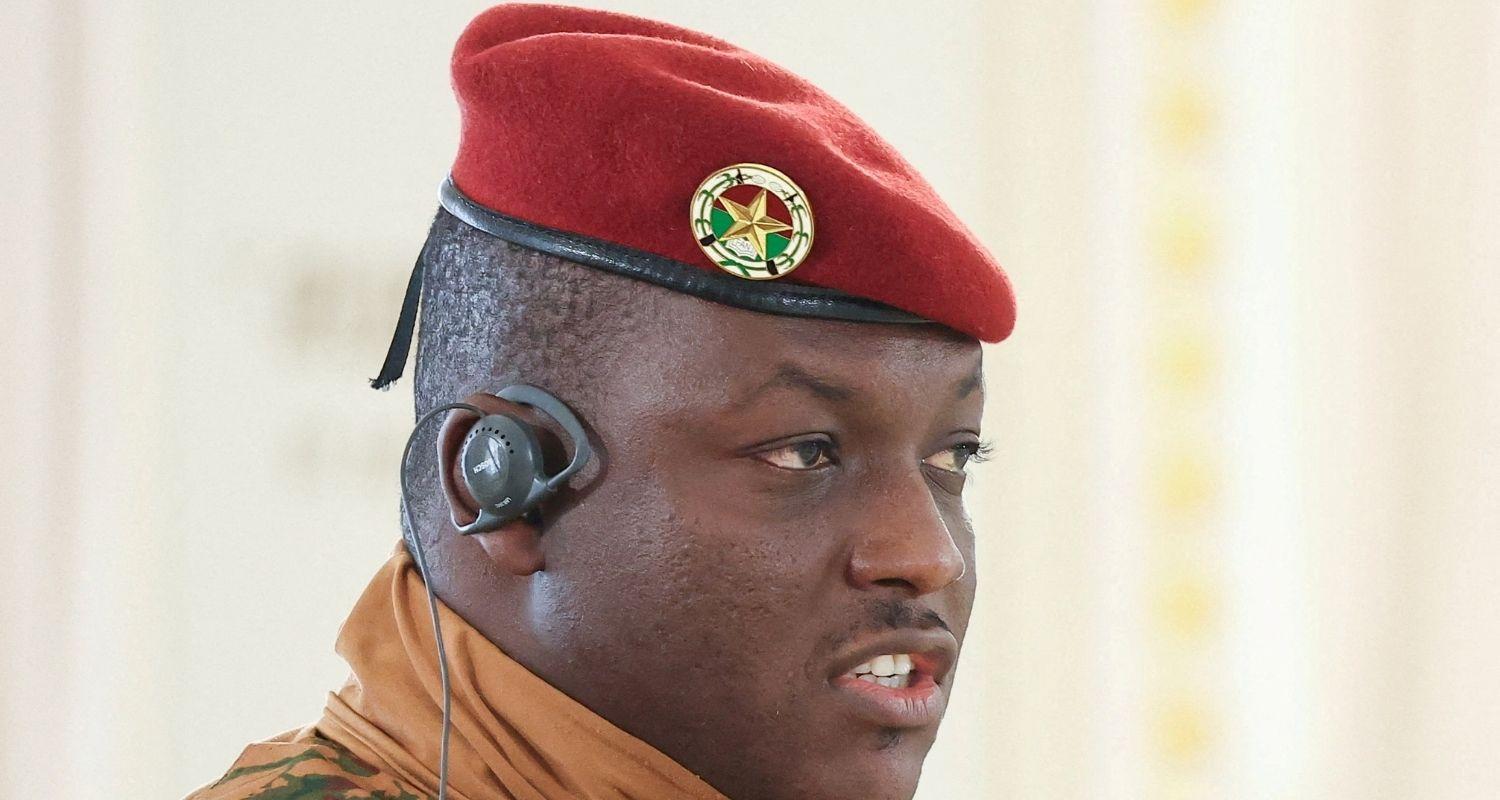
All political parties in Burkina Faso have been dissolved with immediate effect under a decree issued by the military junta on Thursday, which includes banning any internal or public political activity.
The decree states that “the proliferation of political parties has led to abuses, fuelled divisions among citizens and weakened the social fabric”.
A bill to this effect will be submitted to the transitional legislative council to repeal party statutes, financing rules, and the position of opposition leader, say reports, adding that all assets of the dissolved parties will be transferred to the state.
Interior Minister, Émile Zerbo, described the decision as part of a broader effort to “rebuild the state”, blaming widespread corruption, abuses, dysfunction, and injustice for hindering the country’s development.
Before a coup in 2022, Burkina Faso had more than 100 registered political parties, with 15 holding seats in Parliament following the 2020 elections.
Also Read: Coup epidemic grips Africa
Since seizing power in September 2022, Captain Ibrahim Traoré’s junta has progressively restricted dissent. Although political parties were initially permitted limited internal activities, all such operations are now completely prohibited, since the junta holds the multi-party system collectively responsible for the country’s deteriorating economic conditions.
Traoré came to power after ousting fellow military ruler Paul-Henri Sandaogo Damiba, who himself had ruled for only nine months following an earlier coup in January 2022.
Damiba was extradited from Togo earlier this month to face charges of plotting a coup from exile against the current junta.
Burkina Faso is grappling with a severe, inter-connected political and economic crisis marked by escalating jihadist violence, internal displacement of over two million people, acute food insecurity, and the near-collapse of basic services, including healthcare and education.
These challenges are compounded by repeated military coups, poor governance, and the impacts of climate change.
The country’s humanitarian crises are widely regarded as one of the world’s most neglected, with chronic under-funding of aid efforts plaguing people’s access to basic necessities. Abuses by both armed groups and state forces are widely documented.

 Follow us