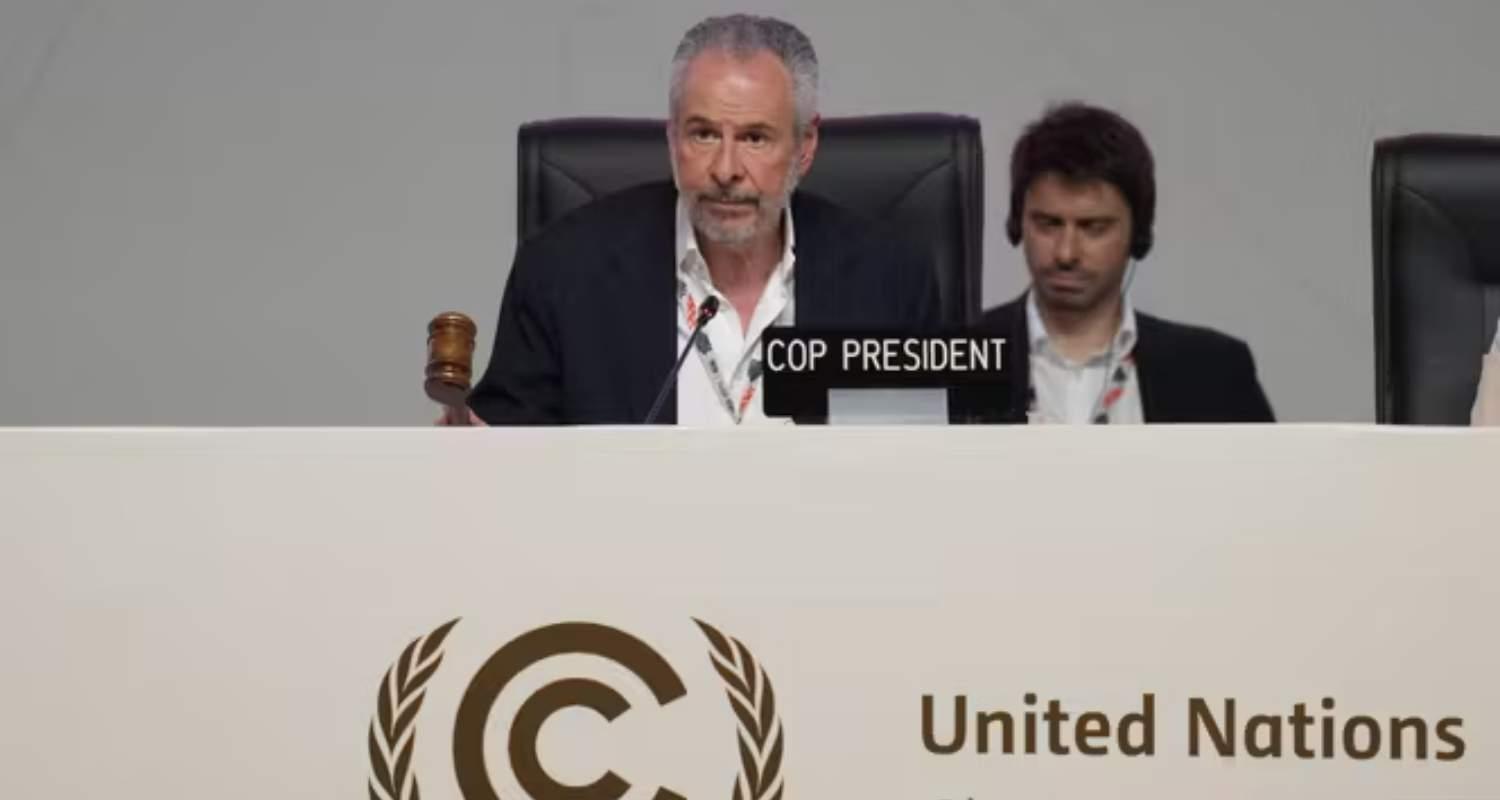
The UN climate summit—hosted on the sidelines of the COP30 annual meeting in Belem, Brazil—has ended without agreement on a fossil fuel phase-out deal.
The participants, though, did renew their calls for stronger commitments to limit rising global temperatures. China, Russia, Saudi Arabia, and India, along with 26 other nations, had rejected the proposed agreement calling for an end to the usage of oil and gas in a phased manner until 2035.
The marathon talks, which were marked by protests from the indigenous communities, the absence of the US and a fire that disrupted the talks on Friday, ended without a climate crisis deal.
Approximately 80 nations had insisted that the final deal must oblige every nation to act and follow suit, parallel with the 2015 Paris agreement. The burning of fossil fuels, including coal, gas, and petroleum products, has largely contributed to the overall increase in global greenhouse gas emissions as well as an increase in global temperatures.
In the closing session, COP30 president Andre Correa do Lago announced that Brazil would lead a voluntary roadmap to transition away from fossil fuels and reverse the deforestation of the Amazon.
Meanwhile, representatives from the small and low-lying nations have said that the “fossil fuel producing and consuming giants are not only triggering the global climate crisis but are driving the deforestation across the globe.” The draft final agreement had sought a triple increase in climate funding to $100 billion (€86 billion) by 2035.
The low-lying nations, including some of those in the developed north, are facing challenges due to the increase in the sea level and deforestation, triggering climate change.
Besides the climate summit, the earlier oceans summit held in France also ended without an agreement, raising serious questions about the intentions of the leading oil and fossil fuel-producing nations. Turkiye will host next year’s COP30 summit along with Australia.

 Follow us