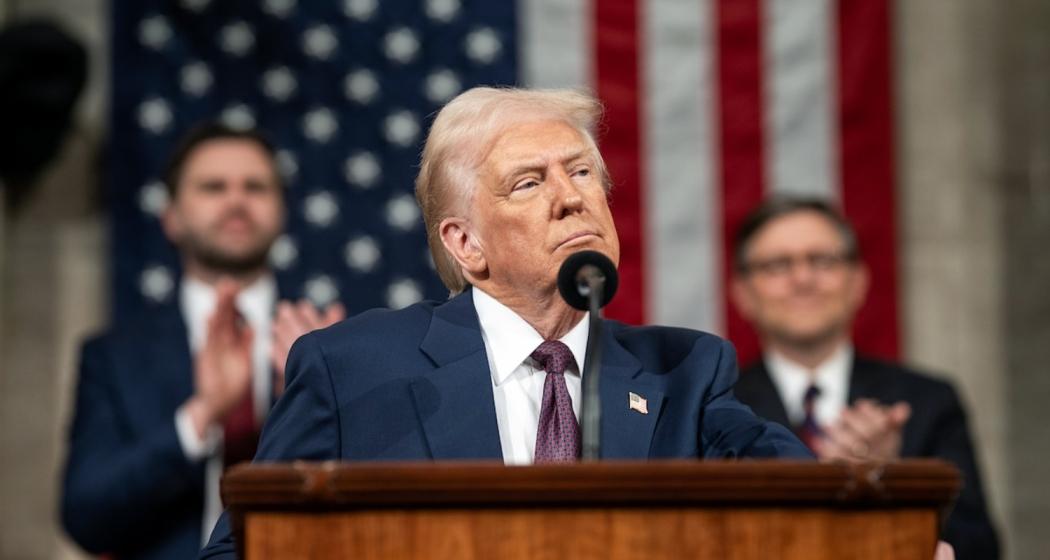
US President Donald Trump on Tuesday said Iran had assured Washington that ships transiting the strategically vital Strait of Hormuz would not be subjected to tolls, insurance fees or any other charges, amid concerns over the future of maritime traffic through the key global shipping route.
In a post on Truth Social, Trump said Tehran had informed the United States that there would be “no tolls, no insurance costs and no other charges of any kind” for vessels passing through the waterway.
“If this is false information, negotiations would end, immediately,” Trump warned.
Concerns over Hormuz shipping charges
Speculation over possible transit fees emerged after reports and comments from Iranian officials suggested Tehran could assume a greater role in managing traffic through the Strait of Hormuz as part of ongoing negotiations. Discussions involving Iranian and Omani officials on maritime services further fuelled concerns about potential charges.
The Strait of Hormuz remains one of the world’s most critical maritime chokepoints, carrying nearly a fifth of global seaborne oil trade.
Also read: Trump lashes out after Senate vote to halt Iran war
Trump rejects reports of cash transfers
Trump also dismissed reports that the US had transferred money to Iran as part of ongoing diplomatic talks.
“Additionally, no money has been given to Iran, or released from their money to them, by the US,” he said.
However, Trump indicated that Washington could release some Iranian funds under US control to finance purchases of American agricultural products, including corn, wheat and soybeans, which he said were urgently needed in Iran.
Proposal on frozen Iranian assets
The remarks shed further light on discussions over billions of dollars in frozen Iranian assets. US Vice-President JD Vance recently outlined a proposal under which some Iranian funds could be unfrozen while remaining subject to strict oversight by US and Qatari authorities.
Under the proposed mechanism, the money could only be used for approved humanitarian purchases, including food products sourced from the United States, with safeguards aimed at preventing the funds from being diverted for military or regional activities.
 Follow us