Iran has set six conditions to reopen the Strait of Hormuz and end the conflict with the United States, with Mohammad Bagher Zolghadr, the secretary of the Supreme National Security Council, calling them imperative for lasting peace in the region.
What are the six conditions?
- Immediate halt on threats against Iran and its sacred values.
- Permanently halting military action against Iran and its allies in the region.
- Withdrawing US naval and air forces involved in a blockade against Iran.
- Compensating Iran for damage caused during the recent conflict, which would most probably be paid by the other oil and energy-rich Gulf States.
- Lifting US sanctions, de-freezing decades-old sanctions and lifting the economic blockade that has severely impacted the Iranian economy.
- Releasing Iran’s frozen assets.
“The Supreme National Security Council will not retreat from these demands, whether in war or in negotiations,” he said.
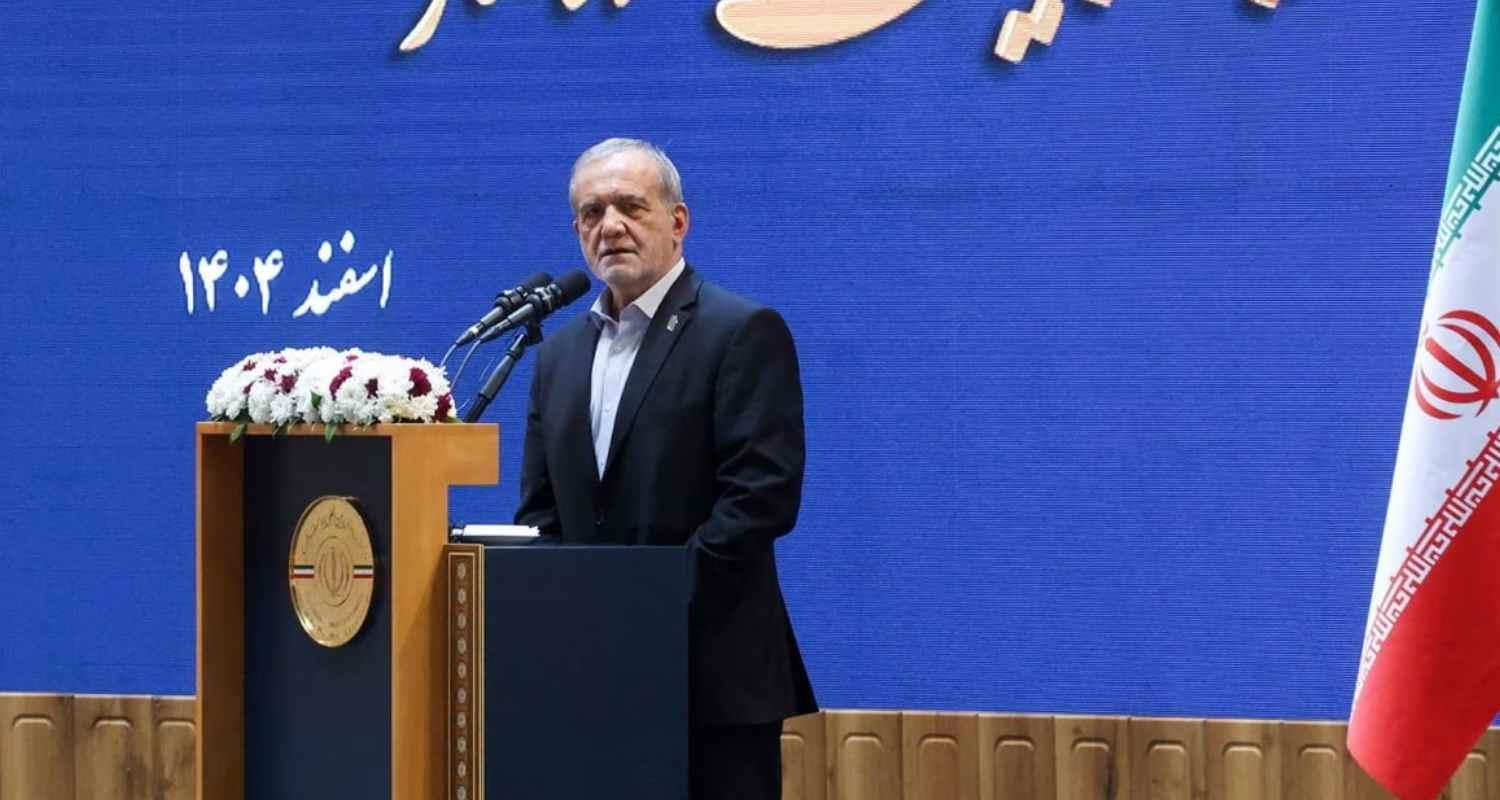
Iranian President Masoud Pezeshkian, on the other hand, said that he hopes talks with Oman will yield significant results in the coming days. The two nations are discussing establishing a regulatory authority in the Strait of Hormuz and hope that the country moves past the ongoing uncertainty of a “neither-war-nor-peace” status to permanent peace in the near future.
Meanwhile, Iran’s Islamic Revolutionary Guard Corps on Sunday said that meeting the conditions is the only way forward and that they are going to continue blocking the critical waterway. In response, US Vice President JD Vance said Washington will continue to pressure Iran if it is unwilling to make changes and improve ties between the two countries.
The six conditions are nothing new but already known ones. Iran, since the beginning of the war in February, has been demanding that the US take all the necessary steps to make sure everything returns to normal in the region.
Experts believe that China, an important ally of Iran, is already arming Tehran with state-of-the-art technologies in case the negotiations fail and the US decides to return to military escalations.
The situation in the region, which was complex prior to the war in Iran, has gone worse in recent times, with Saudi Arabia battling Houthis, Iraq fighting the Popular Mobilisation Forces and Lebanon struggling to dissolve Hezbollah’s power.

 Follow us