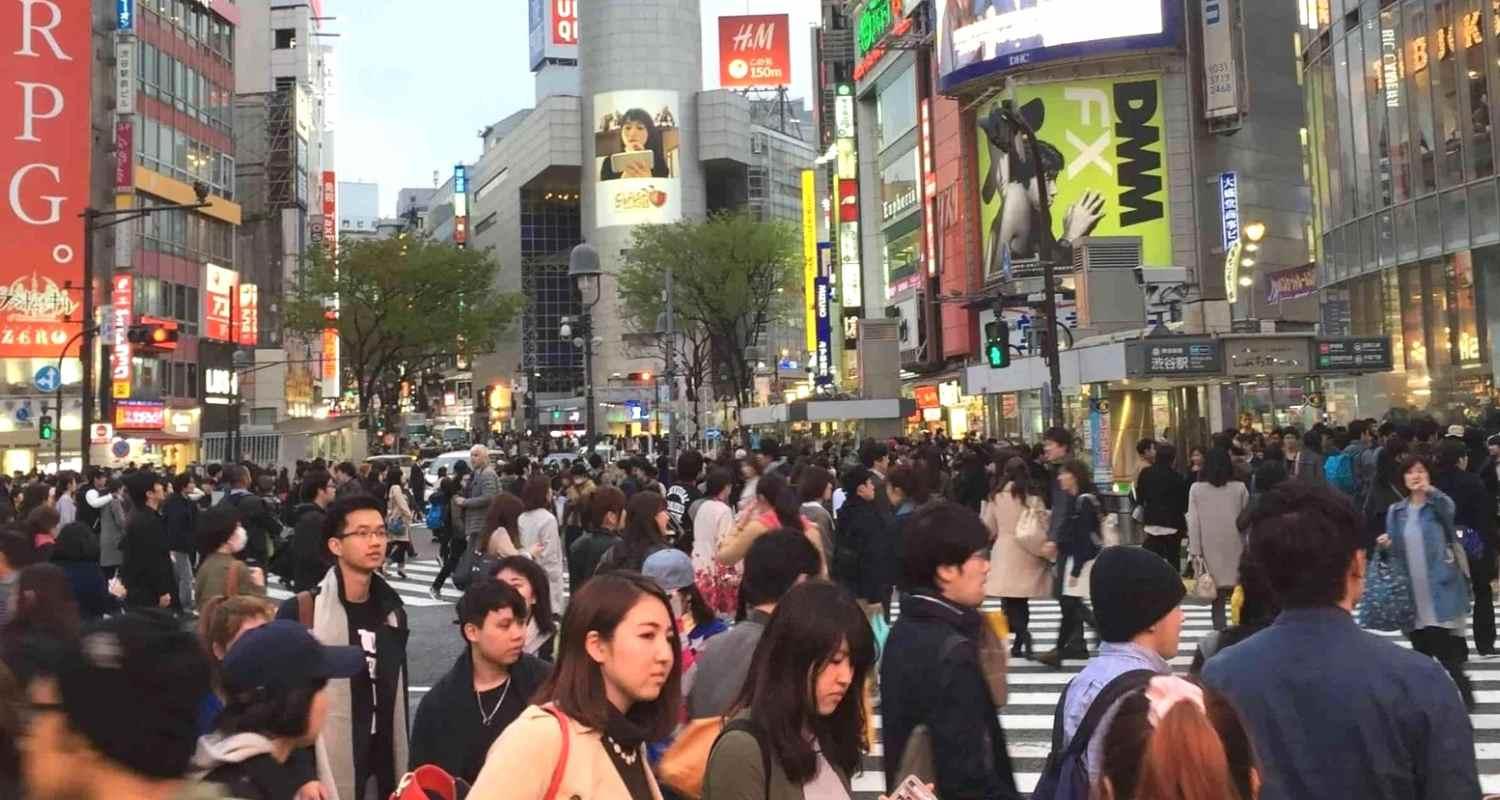
The Japanese population on January 1, 2026, had reportedly fallen below 119.74 million, down by approximately 0.76 per cent from last year, according to official statistics from the Ministry of Internal Affairs and Communications. The population of Japanese residents began declining 17 years ago and has continued since, with 2009 as the peak year of decline, according to the latest population survey, which began in 1968.
However, the population of foreign residents living in Japan reached its highest level since record-keeping was initiated in 2013, the ministry said. With additional millions of foreign nationals residing in Japan, the total population now stands at 123.8 million.
With an average age of 49.9 years, Japan has the second-oldest population in the world after Monaco, according to the World Bank.
Data released by the Ministry last month suggested that the country’s fertility rate has fallen to a record low, underlining the underlying issues of the world’s fourth richest country.
Japan’s primary struggles include fewer babies, an ageing population, disintegrating marriage institutions, higher social security bills (pensions), and lower tax collections — all of which are important for any country to grow.
Government figures showed the total fertility rate — the average number of children a woman is expected to have during her lifetime — dropped by 0.01 from a year earlier to 1.14, the 10th straight year of decline.
According to the survey, the number of babies born in the country has dropped by 15,000 to marginally over 670,000 — the lowest figure since record-keeping began in 1899.

 Follow us