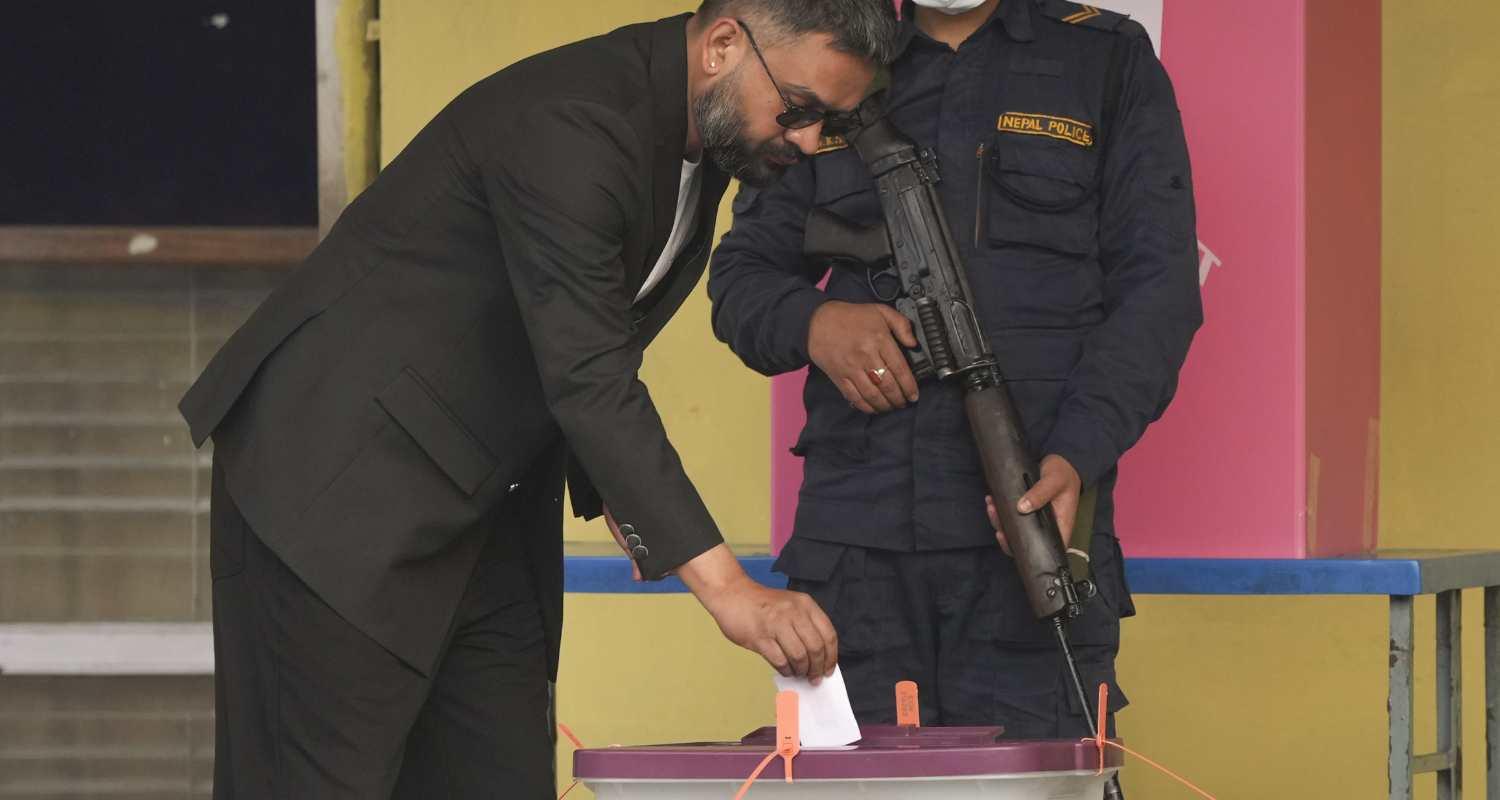
Voting closed across Nepal on Thursday in the country’s first general election since the youth-led “Gen Z” protests last September, with nearly 40 per cent turnout recorded by 3 pm, according to preliminary data from the Election Commission.
The Himalayan nation of about 30 million people went to the polls to elect the 275-member House of Representatives, in a contest widely seen as a test of Nepal’s political leadership after months of public anger over corruption and governance.
Voting began at 7 am and concluded at 5 pm across the country, although authorities said voters already standing in queues at polling stations would still be allowed to cast their ballots. Counting is expected to begin after ballot boxes from polling centres are collected.
More than 18.9 million eligible voters were registered for the election. The polls feature 3,406 candidates contesting 165 seats through the first-past-the-post system, while another 3,135 candidates are vying for the remaining 110 seats under the proportional representation system.
The Election Commission said voting was largely peaceful, with only minor incidents reported in a few locations.
Election Commissioner Sagun Shumsher Rana was quoted by local media as saying the polling process proceeded smoothly in most parts of the country.
The election has been held two years ahead of schedule following last September’s massive protests led largely by young people. The demonstrations, which erupted over corruption, misgovernance and the influence of an ageing political elite, turned violent and resulted in the deaths of 77 people.
The movement triggered significant political pressure and led to early elections being announced.
Also read: Iran’s next supreme leader will be targeted: Israel
Young voters are expected to play a decisive role in the outcome. Authorities said around one million new voters were added to the electoral roll after the protests, raising the total electorate by 915,119 compared with the 2022 election.
More than half of the voters — around 52 per cent — are aged between 18 and 40, reflecting the growing influence of younger voters in Nepal’s political landscape.
Meanwhile, former prime minister Sher Bahadur Deuba remained absent from the election process. The veteran leader travelled to Singapore for medical treatment last month and did not return to vote.
Deuba, who lost the presidency of the Nepali Congress earlier this year, had also been denied a ticket in the current election, raising speculation that the vote could mark the end of his decades-long political career.
The election outcome is expected to shape Nepal’s political direction at a time of growing public demand for reform and greater accountability.

 Follow us