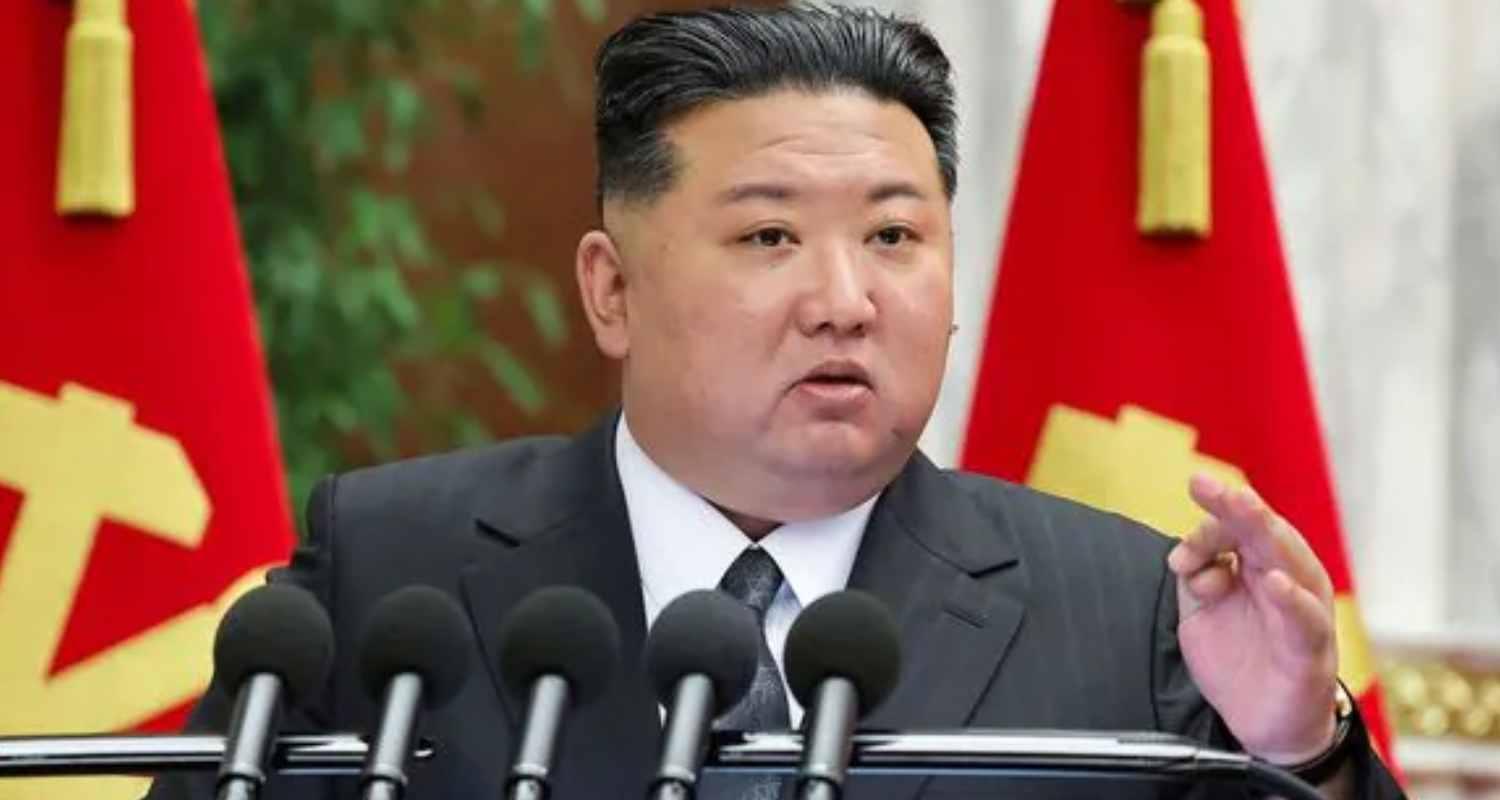
North Korea on Thursday said its testing spree this week involved various new weapons systems, including ballistic missiles armed with cluster-bomb warheads, as it pushes to expand nuclear-capable forces aimed at rival South Korea. The report by North Korean state media came a day after South Korea's military said it detected North Korea firing multiple missiles from an eastern coastal area in its second round of launches in two days.
North Korea's official Korean Central News Agency (KCNA) said the tests lasted three days, starting Monday, and also included demonstrations of anti-aircraft weapons, purported electromagnetic weapons systems, and carbon-fiber bombs. It stated that the latest tests included demonstrations of cluster-munition warhead systems mounted on the nuclear-capable Hwasong-11 ballistic missiles, which resemble Russia's Iskander missiles in their design, featuring low-altitude, maneuverable flight to evade missile defense systems.
South Korea's Joint Chiefs of Staff said the missiles launched on Wednesday flew 240 to 700 km before falling into the sea, and that it also detected at least one projectile launched on Tuesday from an area near the North Korean capital of Pyongyang.
Japan's defence ministry said none of the weapons fired on Wednesday entered waters within its exclusive economic zone, while the US military said the North Korean launches on Tuesday and Wednesday posed no immediate threat to the United States or its allies.
Jang Do-young, a spokesperson for South Korea's Joint Chiefs of Staff, said at a briefing that the military was analysing the launches while sharing information with US and Japanese counterparts, but declined to provide specific assessments about the North's claims of progress in its military capabilities.
The launches underscored continuing tensions between the Koreas, blunting South Korean hopes for warmer relations. North Korean leader Kim Jong Un has suspended virtually all diplomacy with Seoul and Washington since the collapse of his nuclear talks with President Donald Trump in 2019, and has since accelerated the development of nuclear-capable missiles that threaten US allies in Asia as well as the US mainland.

 Follow us