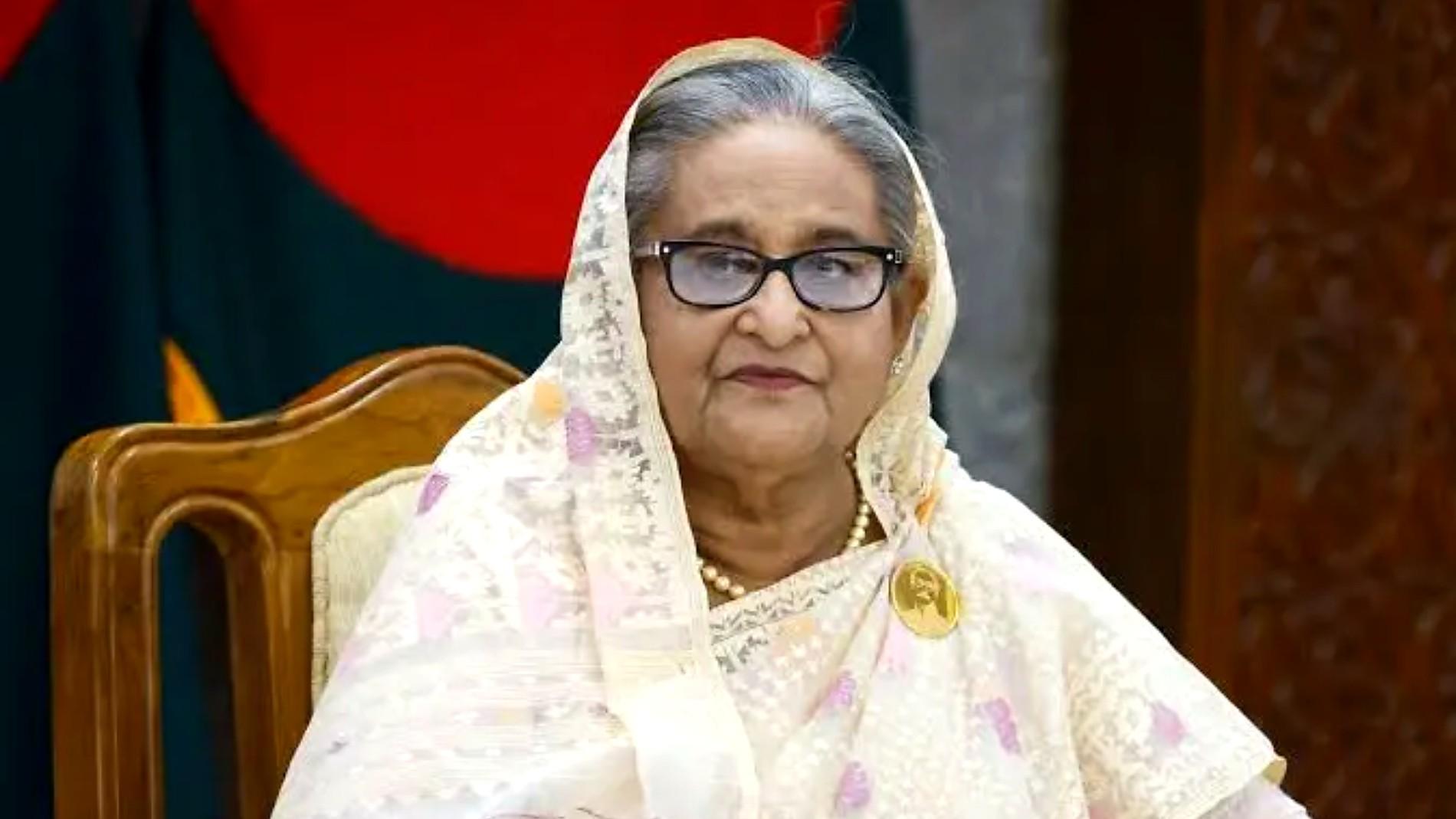
Ousted Bangladesh prime minister Sheikh Hasina has applied for a new passport and national identity card through Bangladesh’s diplomatic mission in New Delhi, ahead of her stated plan to return to the country in December.
Her lawyers from London-based Matrix Chambers wrote to Preeti Rahman, the acting high commissioner at Bangladesh’s embassy in New Delhi, seeking the issue of fresh travel and identity documents. The communication is the first known contact by Hasina with the embassy since she left Bangladesh in August 2024 after a student-led uprising ended her 15-year rule.
The lawyers said Hasina’s existing Bangladeshi passport and National Identity Card (NID) had reportedly been revoked by the previous interim government and other authorities. They asked the embassy to process the applications quickly, citing her Bangladeshi nationality and obligations under international human rights instruments.
Hasina has earlier said that she intends to return to Bangladesh in December and surrender before a court. Her aides have indicated that the date will be disclosed after the required formalities are completed.
Bangladesh seeks handover under extradition treaty
The application for fresh documents comes as Dhaka and New Delhi remain at odds over the terms of Hasina’s return. Bangladesh has repeatedly requested her extradition from India under the bilateral treaty between the two countries.
State Minister for Foreign Affairs Humaiun Kobir has maintained that Hasina should be handed over through the established extradition mechanism. He has also questioned the need for a new passport, arguing that her return would involve a legal handover rather than an ordinary journey requiring fresh travel documents.
“We want Hasina to be handed over. She will be handed over. There is an active extradition treaty between Bangladesh and India,” Kobir said.
Bangladesh Law Minister Md Asaduzzaman said on November 8 that Dhaka was pursuing Hasina’s return under the extradition treaty and that the matter would be addressed through legal and diplomatic channels.
India has acknowledged receiving Bangladesh’s extradition requests and said they are being examined through established processes.
Death sentence awaits Hasina if she returns
Hasina’s proposed return comes while she faces serious criminal charges in Bangladesh. The country’s International Crimes Tribunal sentenced her to death in absentia in November 2025 for crimes against humanity linked to the deadly crackdown on student-led protests that brought down her government in August 2024.
Hasina has denied the allegations and rejected the legitimacy of the proceedings. She has nevertheless said that she is ready to return and face the legal process, despite the possibility of arrest and imprisonment.
She fled to India on August 5, 2024, as the uprising intensified and ended her tenure as prime minister. She has remained in India since then.
Her Awami League party, which dominated Bangladesh’s political landscape during her time in power, was later prohibited from political activity and barred from contesting the February 2026 elections. Several senior party leaders have been arrested, while others have gone into exile.
Potential impact on India-Bangladesh relations
Hasina’s continued presence in India has been a major source of tension between the neighbouring countries since her government was overthrown. Dhaka’s repeated extradition demands have added to the strain, while New Delhi has said the requests are under examination through the appropriate legal procedures.
Her possible return could carry significant political and diplomatic consequences. It may deepen existing divisions in Bangladesh, where she continues to retain support among sections of the population while her opponents seek accountability for the 2024 crackdown.
At the same time, an eventual resolution could address one of the most contentious issues affecting India-Bangladesh relations.

 Follow us