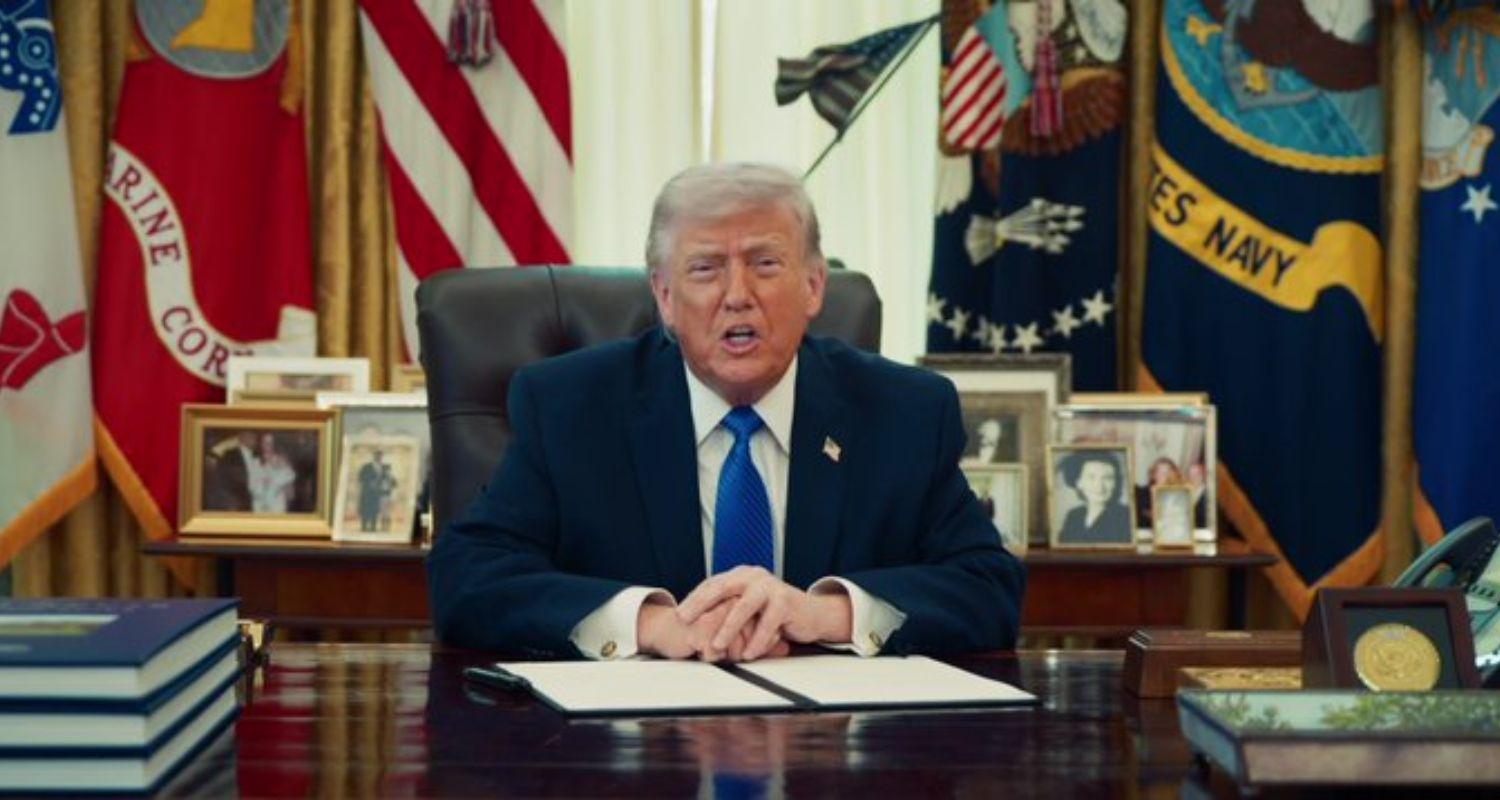
A visibly irritated Donald Trump has performed a swift about-face on Tuesday, declaring that the United States "doesn't need anybody" to secure the Strait of Hormuz. The comments follow a frosty reception from traditional allies to his weekend appeal for a multinational naval coalition to break Iran's blockade of the vital shipping lane.
The US President’s shift in tone marks a sharp departure from Monday, when he warned that a refusal to assist could lead to a "very bad future" for NATO. However, after heavyweights such as Germany, Spain, and Italy declined the request, Trump took to a familiar podium to insist that his outreach was merely a test of loyalty. "I'm almost doing it... because I want to find out how they react," he said, adding that he had long suspected certain allies would fail to show up when needed.
The rejection from Berlin was particularly pointed. However, Chancellor Friedrich Merz said that Germany had not been consulted by Washington and Israel before the start of hostilities on February 28. Merz said that without a UN, EU and NATO mandate, Germany did not have the legal basis to use its navy. Trump responded by saying that the US is "the strongest nation in the world and our military is so powerful that it does not need any support to counter the Iranian threat."
Trump was especially scathing regarding the United Kingdom’s role. He claimed he had requested the deployment of Britain’s two aircraft carriers at the start of the conflict, only to be rebuffed. However, as the President explained, the offer of the ships was made only after the first waves of the strikes had already "obliterated" the Iranian leadership. "I said, I don't need them after the war has ended and won," Trump said, adding that he was "not happy" with the UK’s hesitation.
The war is escalating as the Middle East conflict is taking an unfavourable turn. After the death of Ayatollah Ali Khamenei in the first strikes, his successor Mojtaba Khamenei continues with the closure of the Strait. With Iran threatening to push oil prices to $200 per barrel and having already attacked over 15 vessels, the US now appears prepared to go it alone. While the President insists the mission is under control, the deep rift within the Western alliance suggests that the geopolitical fallout of the war may be just as significant as the military one.
Also read: Trump calls for coalition to police Strait of Hormuz

 Follow us