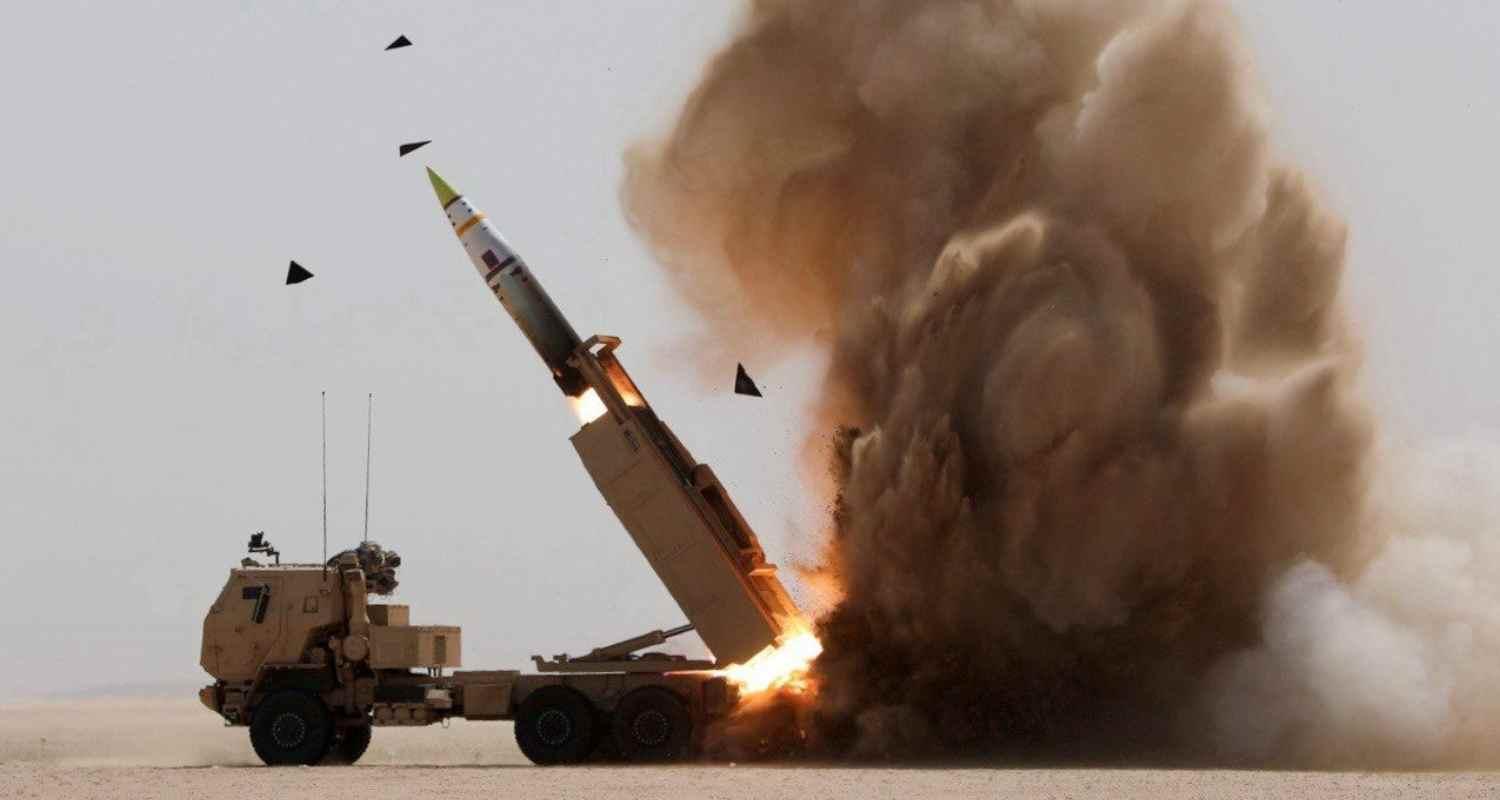
The United States armed forces carried out one of the heaviest bombing campaigns against Iran as powerful explosions were heard in Qeshm, Kish, Bandar Abbas, Abadan and Bushehr cities. Iraq has condemned the US-Saudi strikes on its territory, with the Popular Mobilisation Forces saying 20 of its fighters were killed, and another 32 were wounded.
Reports on Thursday confirmed that four advisers linked to the Iranian government were also killed in the joint Saudi-US strikes on Iraq.
According to US Central Command, a heavy wave of strikes against Iran, in response to Wednesday’s attempted missile attacks on American forces, was successfully completed. The command responsible for carrying out operations in West Asia said it struck assets belonging to Iran’s Islamic Revolutionary Guard Corps, including command facilities, missile and drone facilities, along with surveillance and defence sites, and maritime capabilities.
CENTCOM said the strikes were aimed at “softening the threats posed by Iran and its proxies to American forces, commercial shipping and neighbouring Gulf nations”. It added that more than 50,000 US service members currently deployed to the region “remain highly vigilant, focused, lethal, and ready”.
What is interesting about the ongoing conflict between the two adversaries is that the US has moved some of its key bases from Bahrain, Kuwait, and Qatar to Jordan as part of a partial retreat from the region.
This is because Iranian strikes on these bases have caused immense infrastructure damage, taking out some of the most valuable US assets in the region, such as radar systems. Without these radars, US CENTCOM was effectively blinded, making it difficult to carry out operations. As a result, the majority of the bases have been shifted to Jordan.

 Follow us