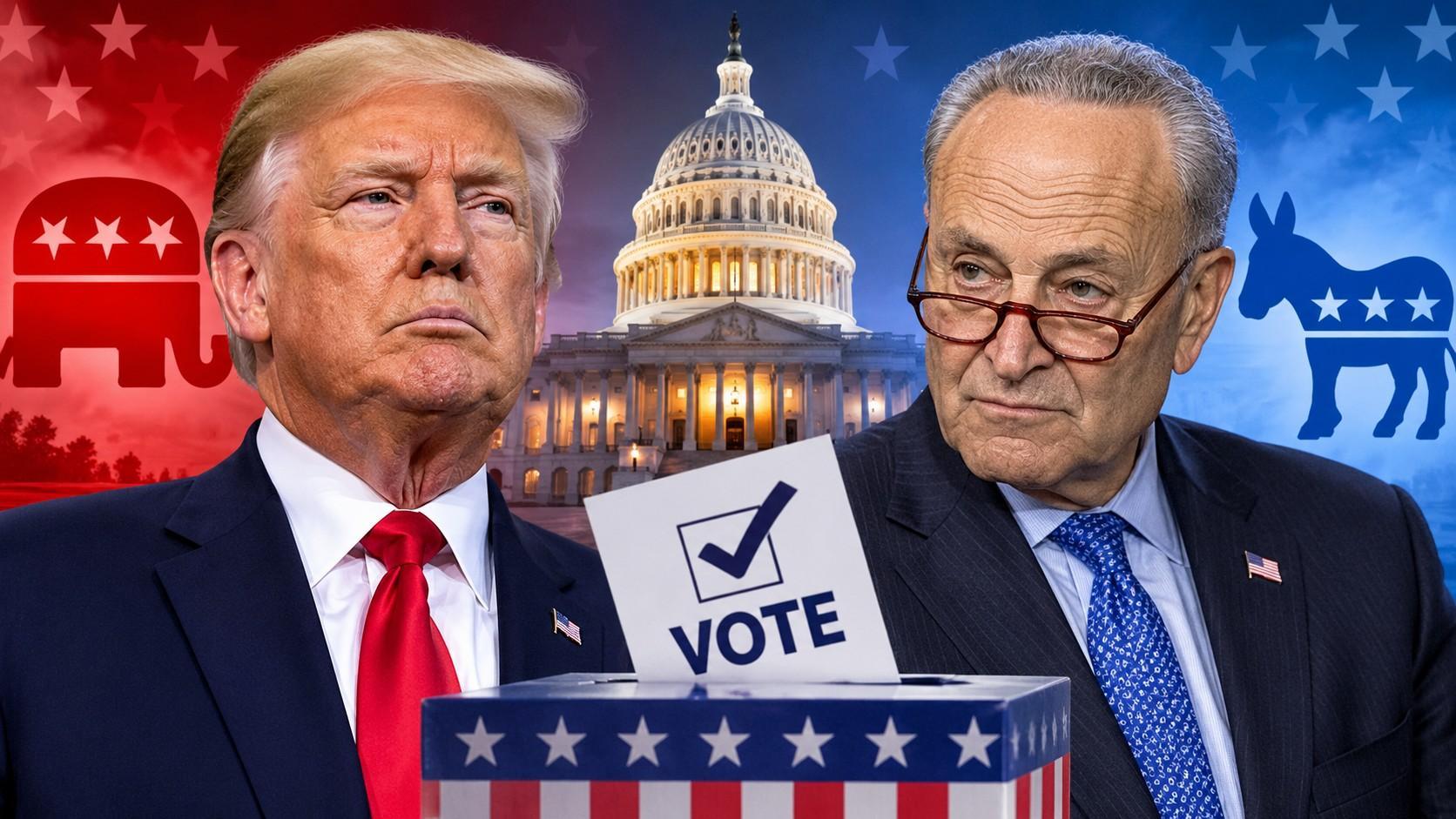
Donald Trump’s call to make the US midterm elections a verdict on his presidency appears to have backfired, with voters moving to hand the Democrats control of both chambers of Congress. The shift would leave the president facing a hostile legislature during the final two years of his term.
The Democratic gains reflect widespread dissatisfaction with the direction of the country under Trump’s second presidency. The cost of living, higher diesel prices and the economic impact of the war with Iran emerged as major political problems for Trump and the Republican Party.
Republicans entered the midterm elections with narrow majorities in the House of Representatives and the Senate, giving Trump substantial legislative backing after his return to the White House in January 2025. A Democratic takeover would change that balance in Washington, although Trump would continue to exercise executive authority over areas including tariffs, immigration and foreign policy.
Trump’s legislative plans could face resistance
Democratic control of both chambers would make it considerably more difficult for Trump to secure approval for new laws covering taxation, government spending, healthcare and other domestic priorities. Congress could also withhold funding for initiatives favoured by the president.
Trump would retain the power to veto legislation passed by Congress. Overriding a presidential veto requires a two-thirds majority in both the House and Senate, a threshold Democrats are unlikely to reach without Republican support.
The Senate’s filibuster rules could further restrict the Democrats. Major legislation generally requires 60 votes to overcome a filibuster and proceed to a final vote. With 52 seats, Democrats would therefore need to negotiate with Republicans on key measures.
Congressional committees could intensify investigations
A Democratic majority in the House would place the chamber’s committees under Democratic control. Those committees could issue subpoenas for documents and testimony while examining matters linked to the Trump administration and his family.
Areas identified for scrutiny include Trump’s family business, immigration enforcement and issues connected to sex offender Jeffrey Epstein. The commercial activities of Trump’s son-in-law Jared Kushner and his son Donald Trump Jr. could also face closer examination.
Colorado Congressman Jason Crow has indicated that investigations could begin with the Pentagon, following reports that defence funds were directed towards companies associated with the Trump family.
Impeachment could return to the political agenda
Trump has already faced impeachment twice during his first presidency, with the Senate acquitting him on both occasions. Democrats have signalled that impeachment proceedings could again be considered.
A simple majority in the House is sufficient to begin the impeachment process, meaning Democrats would not require Republican votes to start proceedings. That step, however, would not automatically remove Trump from office.
The process would involve investigations into alleged misconduct, followed by a House vote on articles of impeachment. If approved by a simple majority, the case would move to the Senate for a trial. Conviction and removal would require a two-thirds majority in the Senate, making Republican support necessary.
Appointments and spending could become sources of conflict
The Senate has the authority to confirm senior administration officials, ambassadors and federal judges, including nominees to the Supreme Court. A Democratic-controlled Senate could delay or reject Trump’s choices, limiting his ability to fill important positions and influence the judiciary.
Congress also controls federal spending. Democrats could use approval of government funding to seek concessions on Trump’s priorities, leading to prolonged negotiations and potentially a government shutdown. Measures involving increases to the debt ceiling could similarly become part of the negotiations.
A Democratic Congress would significantly weaken Trump’s control over the legislative agenda during the closing years of his presidency. His executive powers would remain in place, but passing laws, securing funding, confirming appointments and avoiding congressional investigations would become more difficult.
The midterm result has therefore delivered a political warning halfway through Trump’s presidency, leaving the president to decide how he will respond to a Congress controlled by his opponents.

 Follow us