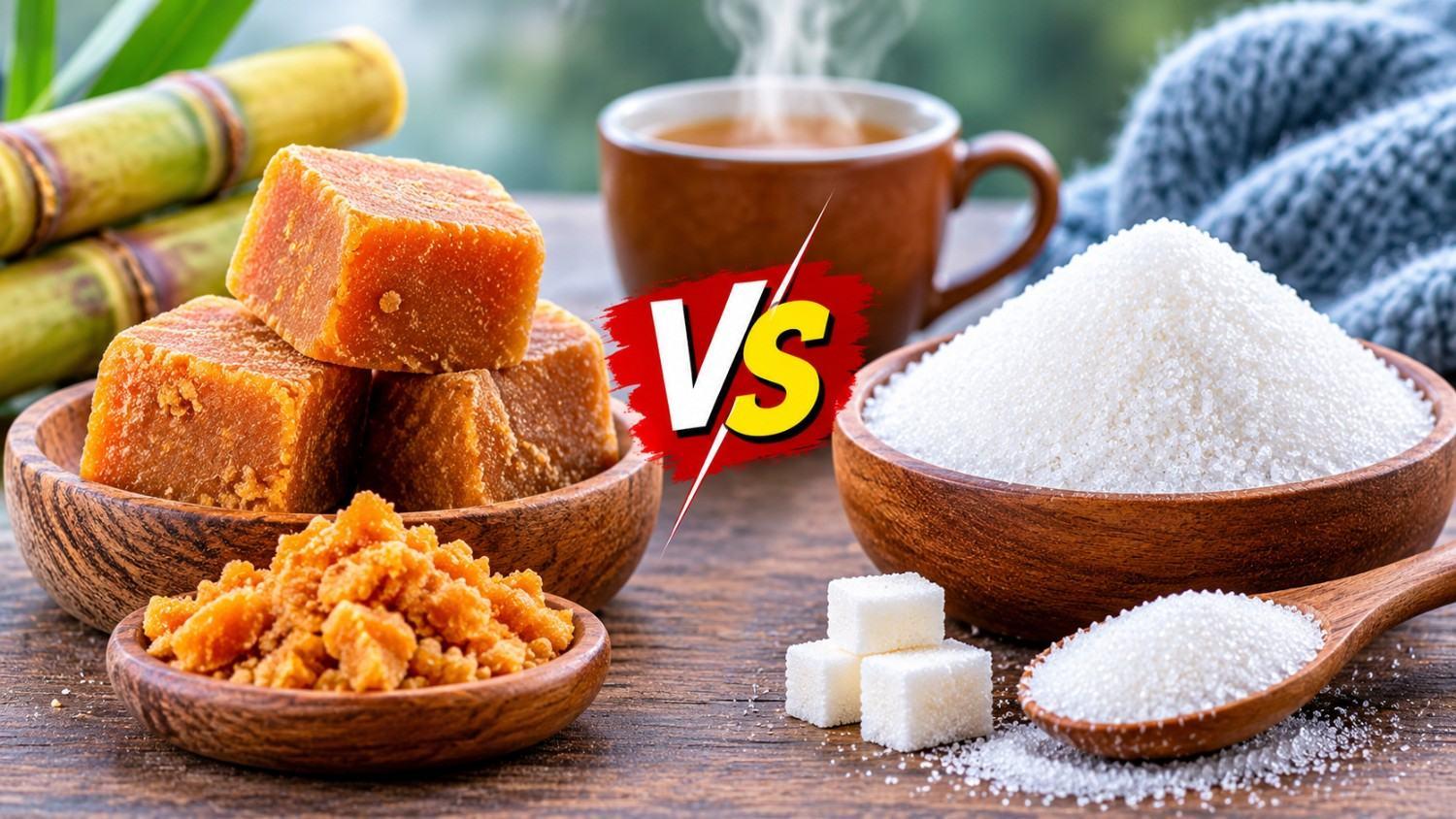
Jaggery, or gud, is widely included in Indian winter foods such as til-gud ladoos, chikki and homemade panjiri. It is often viewed as a healthier alternative to refined white sugar, with many people also believing that it keeps the body warm and aids digestion. However, jaggery should not be consumed without limits simply because it is less processed.
Unlike white sugar, jaggery retains small amounts of minerals, including iron, potassium, calcium and magnesium. The exact nutritional content depends on how it is prepared. These minerals are present only in limited quantities, so jaggery should not be treated as a major source of nutrients or used to address iron deficiency.
Both jaggery and white sugar are concentrated sources of sugar and calories. Although jaggery contains trace minerals, large portions can still increase overall sugar consumption. Substituting white sugar with gur does not turn a sweet dish into a low-sugar or diabetes-friendly food.
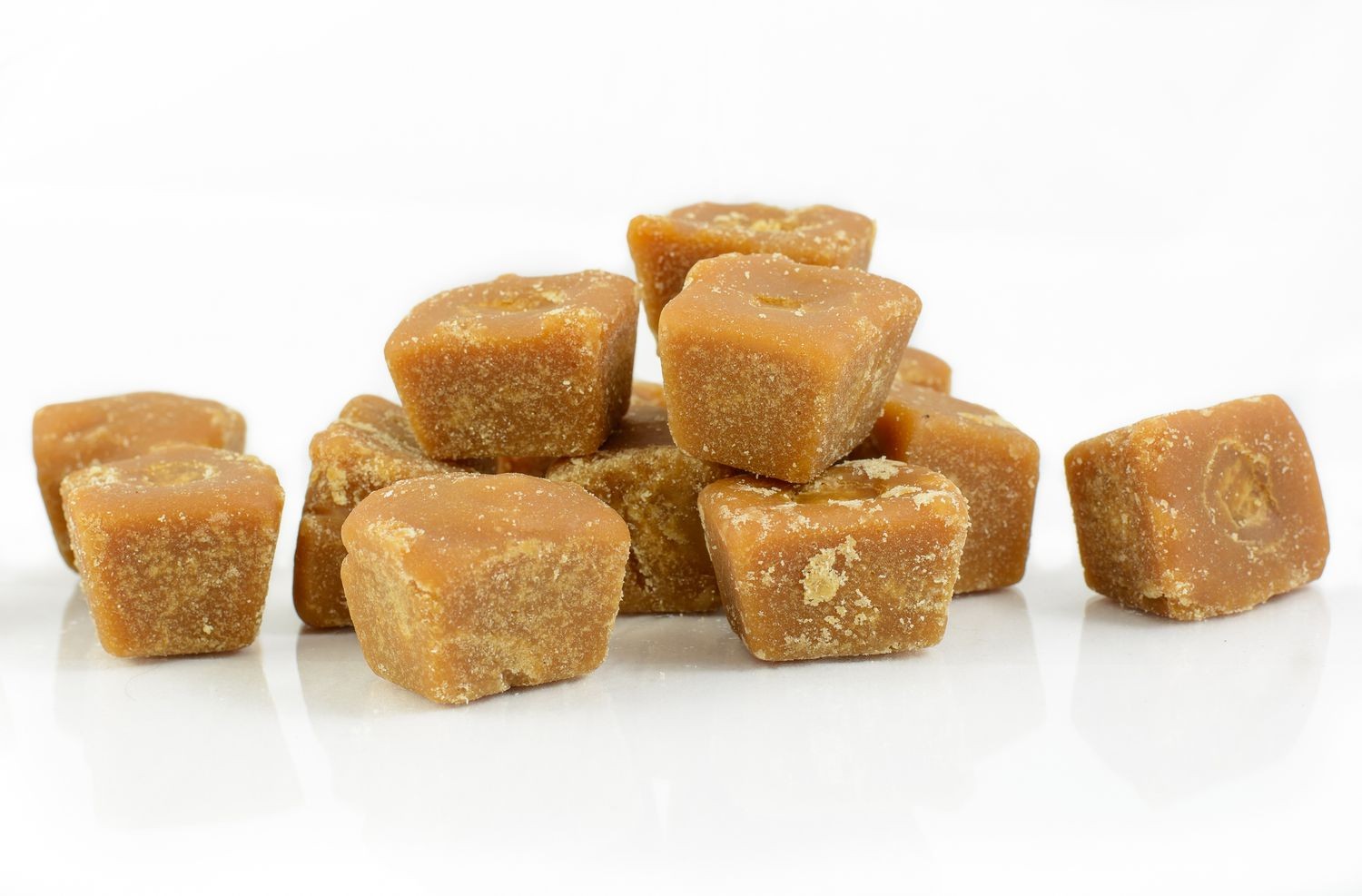
During winter, jaggery is commonly paired with sesame seeds, peanuts and other nuts. These ingredients can add energy to seasonal preparations, but there is limited scientific evidence to show that jaggery itself raises body temperature or protects people from cold weather.
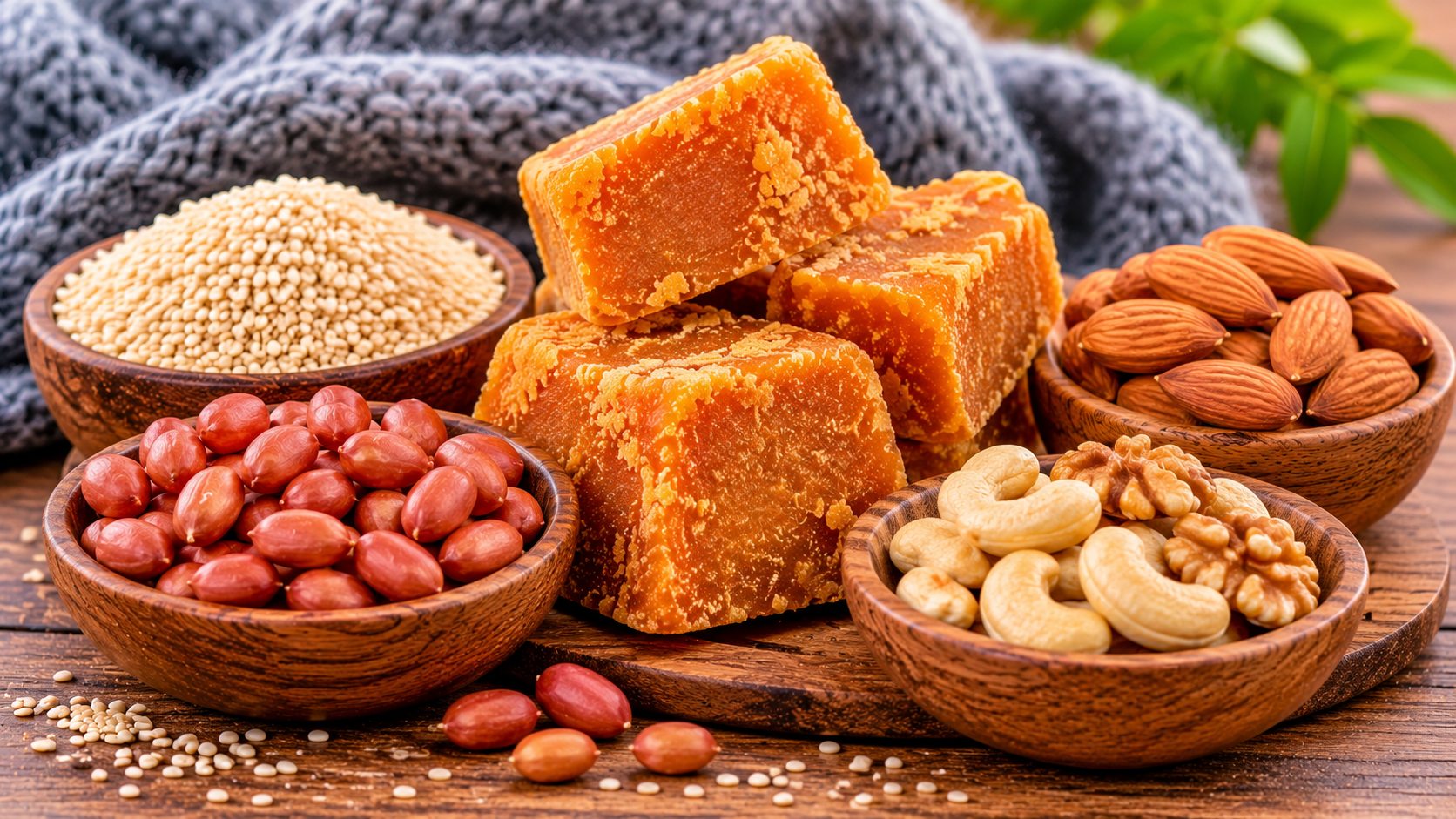
Many Indian households eat jaggery after meals with the belief that it improves digestion or helps detoxify the body. Scientific evidence is insufficient to establish either benefit, and jaggery should not be considered a treatment for digestive problems.
Jaggery can raise blood glucose levels in the same way as regular sugar. People with diabetes or those monitoring their blood sugar should therefore keep track of their intake and follow the dietary guidance provided by their healthcare professional.
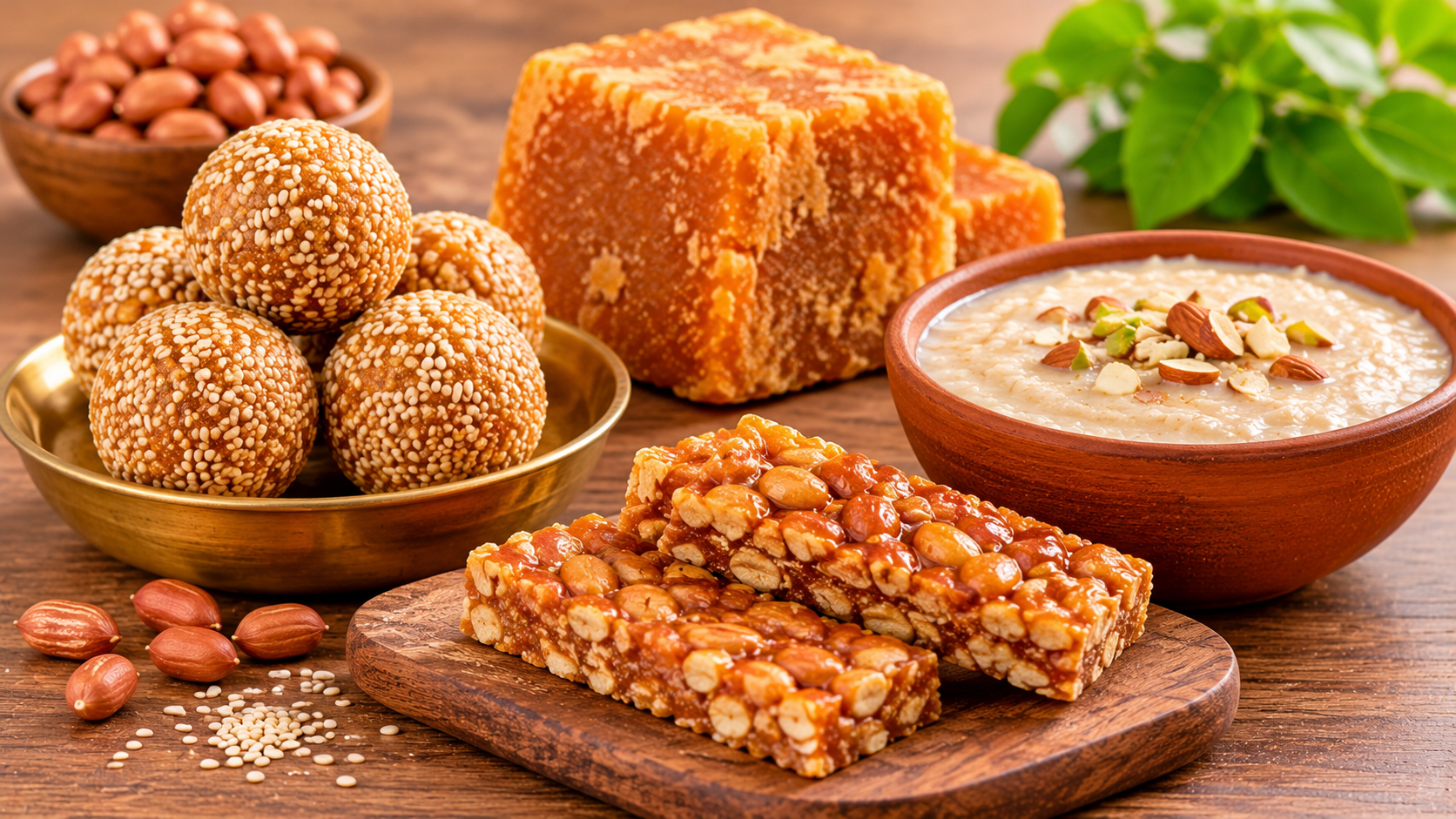
Jaggery may be included occasionally in a balanced diet, but portion size remains important. Small amounts can be used in homemade foods such as til-gur ladoos, chikki and porridge. As jaggery is still an added sugar, its consumption should be limited.

 Follow us