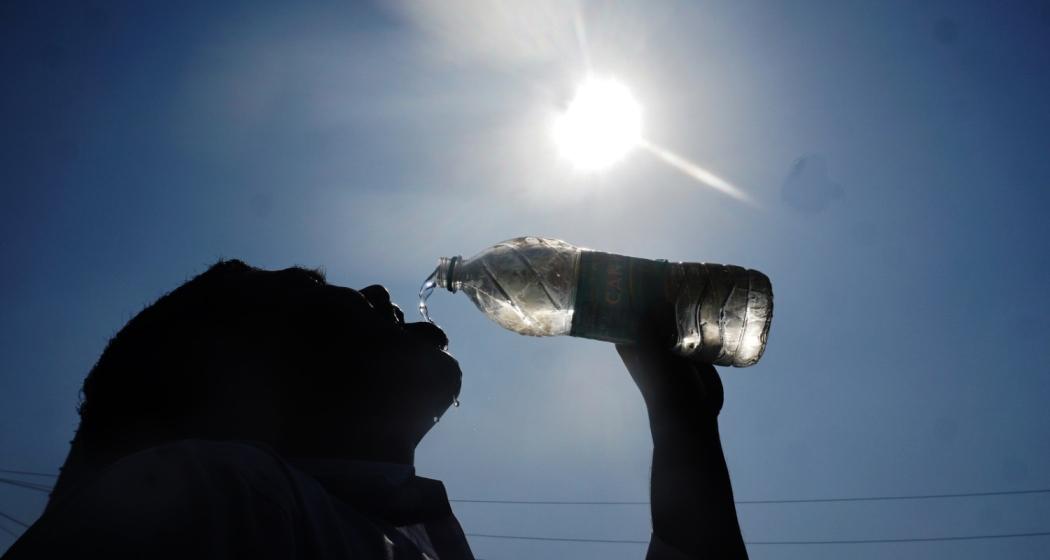
Above-normal heatwave days are likely in parts of India during May, particularly across the Himalayan foothills, east coast states, Gujarat and Maharashtra, the India Meteorological Department (IMD) said on Friday in its monthly outlook, while also forecasting above-normal rainfall for the country as a whole.
The forecast indicates that several regions may face an increased number of heatwave days even as broader climatic conditions remain influenced by evolving ocean-atmospheric patterns.
The IMD also said that rainfall averaged across the country during May is most likely to be above normal, although some parts of east, northeast and east-central India may receive below-normal precipitation.
The onset of the southwest monsoon over the Andaman and Nicobar Islands is expected around May 14 to 16, marking the initial phase of its annual progression.
Director General of Meteorology Mrutyunjay Mohapatra said, “During May 2026, minimum temperatures are expected to be above normal across many parts of the country.”
He added, “However, many areas of northwest India, along with some parts of central India and adjoining areas of peninsular India and southern parts of northeast India, are likely to experience normal to below-normal minimum temperatures.”
The IMD noted that the current El Niño Southern Oscillation (ENSO)-neutral conditions over the equatorial Pacific are gradually evolving towards El Niño conditions, characterised by periodic warming of central Pacific Ocean waters.
Also read: Punjab, Chandigarh reel under intense heatwave
According to the latest Monsoon Mission Coupled Forecasting System, there is an indication of the development of El Niño conditions during the upcoming southwest monsoon season, a factor that could influence rainfall distribution and temperature patterns across the country.
Reviewing April weather patterns, the IMD said most parts of India recorded normal to below-normal maximum temperatures, except southern peninsular regions where temperatures remained above normal.
The country was also impacted by seven western disturbances during April, contributing to variations in temperature and precipitation patterns across northern and adjoining regions.
The combined outlook for May points to a mixed scenario, with the likelihood of heat stress conditions in certain pockets coexisting with above-normal rainfall at the national level.
The IMD has advised continued monitoring of regional forecasts, particularly in heatwave-prone areas and regions where rainfall variability may affect agriculture and water resources.

 Follow us