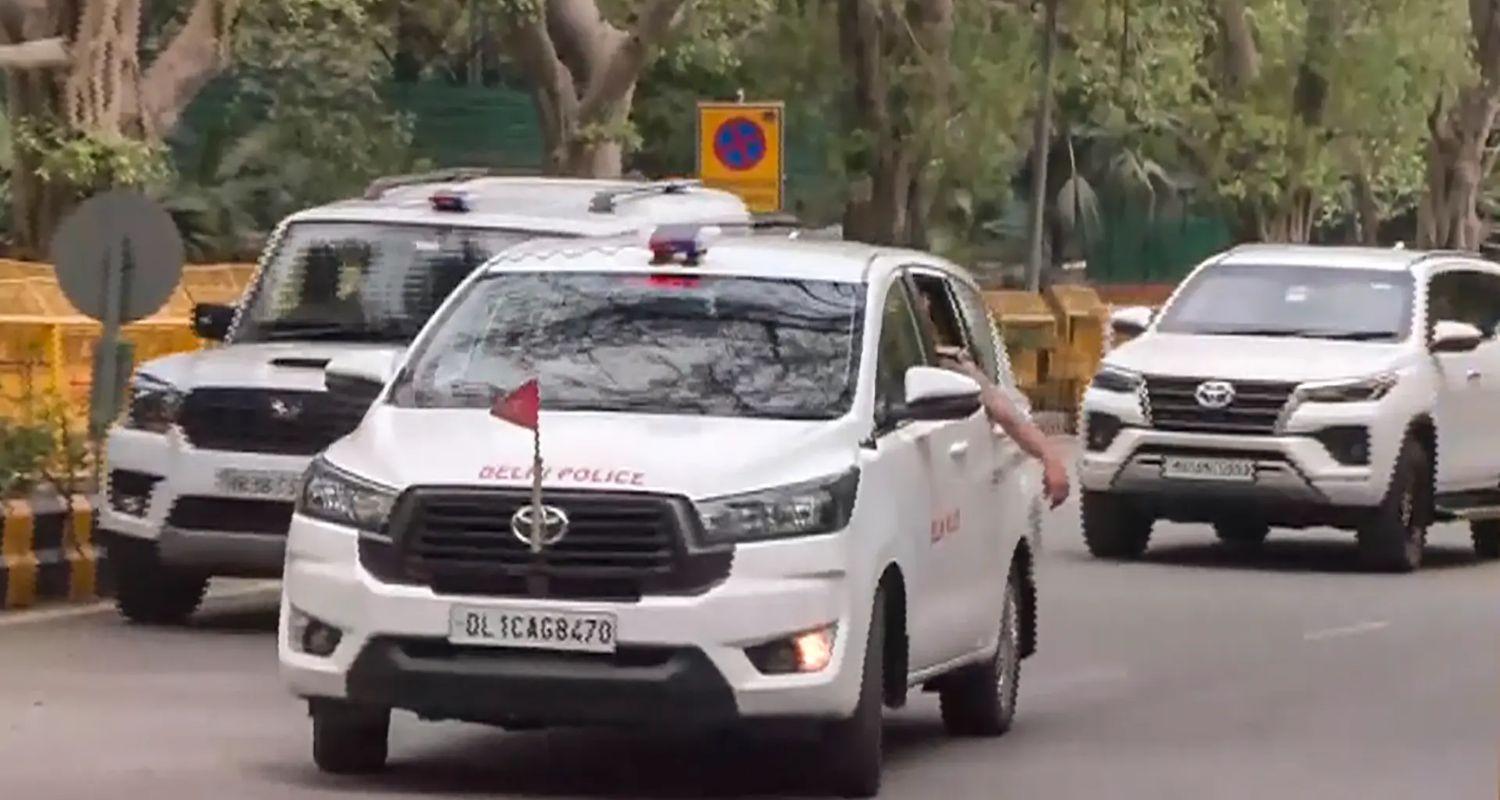
The Bharatiya Janata Party (BJP) has moved swiftly to address accusations of hypocrisy after its leaders were caught holding lavish roadshows and travelling in extensive convoys, just as Prime Minister Narendra Modi was calling for nationwide "Covid-era restraint". Facing a mounting public backlash, several BJP-led administrations — and the Prime Minister himself — have begun to implement a series of stringent austerity measures to lead by example.
The shift in tone follows a period of significant economic strain. With the Strait of Hormuz effectively closed due to the ongoing conflict involving Iran, India’s energy security is under severe pressure. Given that the country imports more than 85 per cent of its crude oil, the government had been reluctant to follow the lead of neighbours like Pakistan and Bangladesh in announcing fuel rationing. However, on May 11, following the conclusion of four state elections, PM Modi finally called for a "collective sacrifice". He urged the public to return to work-from-home arrangements, utilise public transport, and defer non-essential expenses like gold purchases, foreign holidays, and destination weddings.
The initial response from the opposition was one of derision, pointing to the Prime Minister’s own high-profile campaigning in Gujarat and Assam. Outrage intensified when footage of a 200-vehicle convoy belonging to Madhya Pradesh leader Saubhagya Singh Thakur went viral. In response, the Prime Minister has reportedly ordered a 50 per cent reduction in his own motorcade and has pivoted towards electric vehicles. Union Home Minister Amit Shah has followed suit, trimming his convoy from 11 vehicles down to five.
State governments have been quick to fall into line. In Maharashtra, the Devendra Fadnavis administration has clamped down on the use of government aircraft, requiring personal sign-off from the Chief Minister for any "urgent" flights. Cultural Affairs Minister Ashish Shelar has abandoned his plans to attend the Cannes Film Festival, while Tourism Minister Shambhuraj Desai has cancelled a family holiday to Europe. Similar austerity is being seen in Delhi, where Chief Minister Rekha Gupta has mandated carpooling for officials and urged residents to stick to the Metro and bus networks.
In Uttar Pradesh, Yogi Adityanath has mirrored the Prime Minister’s directives, slashing official convoys by half and encouraging the private sector to prioritise remote working. These changes have prompted local figures, such as the Lucknow mayor, to return excess government vehicles. Gujarat has seen equally visible changes; Chief Minister Bhupendra Patel recently travelled with a mere three-car escort, while the state Governor has opted to use trains and buses for official travel. In a symbolic move, the Governor has also asked university vice-chancellors to observe a weekly "Chemical Engine Free Day", promoting the use of bicycles and electric scooters on campuses.
While these measures are a clear attempt to repair the party's image, they also reflect the grim reality of India’s current economic outlook. As the energy corridor remains blocked and foreign exchange reserves are guarded closely, the era of political extravagance appears, for the moment at least, to have been put on ice.
Also read: PM Modi reduces convoy size as austerity step

 Follow us