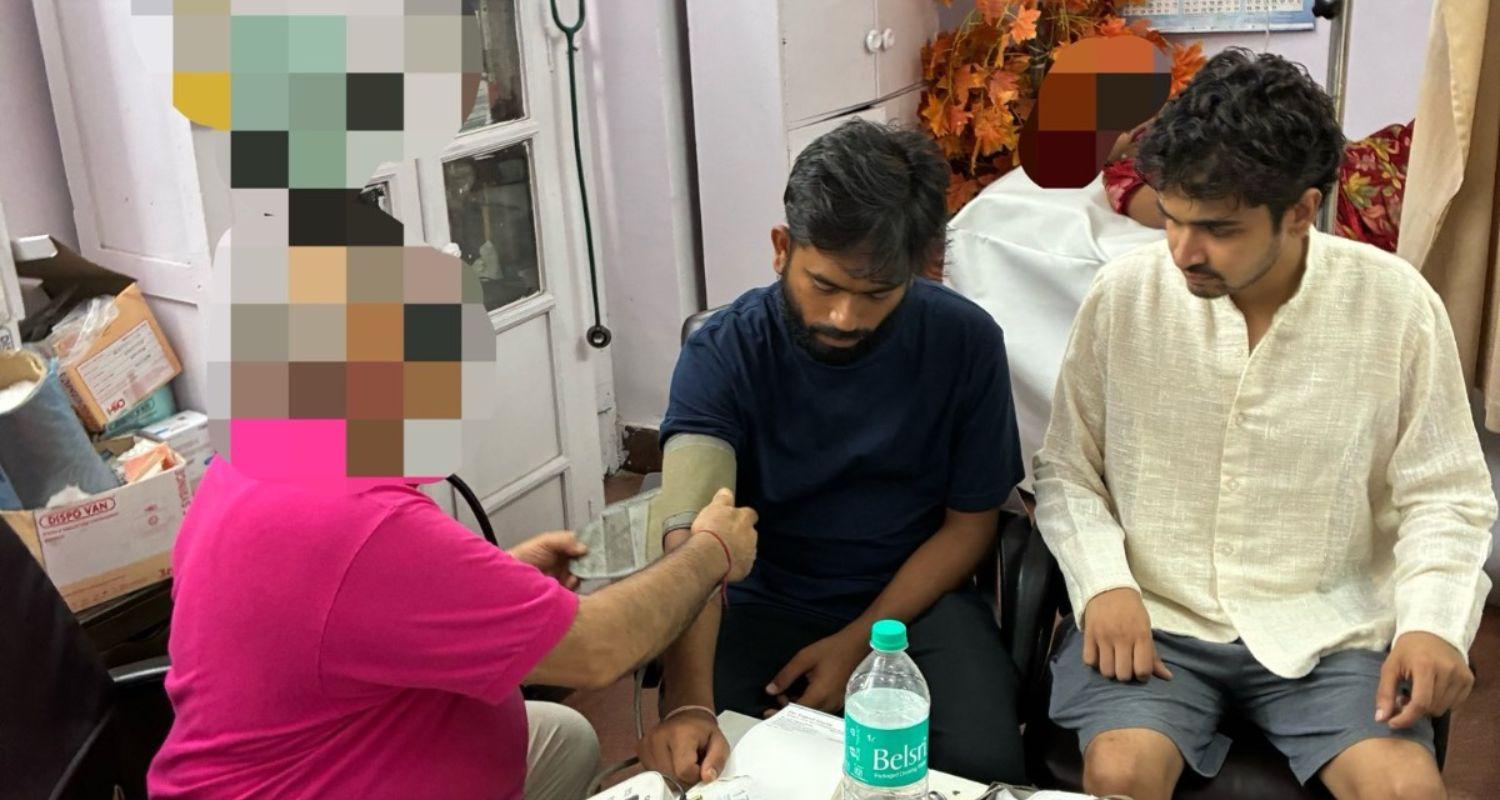
Cockroach Janta Party (CJP), founder Abhijeet Dipke, said on Saturday that he has been diagnosed with typhoid but insisted the illness would not derail the ongoing campaign demanding the resignation of Union Education Minister Dharmendra Pradhan.
In a video message posted on social media, Dipke said he had been unwell for several days and that recent test results confirmed typhoid.
He is currently undergoing treatment, including daily intravenous drips. He thanked CJP supporters for sustaining protests nationwide and expressed confidence the movement would succeed.
"The treatment is ongoing... but I want to thank all the cockroaches protesting peacefully across the country," he said, adding that continued peaceful demonstrations would eventually force Pradhan to step down.
The CJP-led agitation, which began over alleged irregularities in competitive examinations, has been demanding accountability in the testing system, reforms to recruitment and entrance exams, and Pradhan's resignation.
Here is a brief timeline of the protest.
28 June: Activist Sonam Wangchuk joins the movement, launching a hunger strike over alleged examination irregularities and the NEET paper leak.
18 July: Wangchuk is moved to Safdarjung Hospital; he later alleges restrictive treatment, including denial of visitors and confiscation of his phone and laptop.
On 19-21 July, the Delhi High Court permits his transfer to Medanta Hospital.
On July 23, union ministers J.P. Nadda and Jitendra Singh meet Wangchuk; the Centre issues written assurances — no cases against peaceful protesters, a parliamentary discussion on examination reforms, and consideration of compensation for affected students' families.
Wangchuk ends his 26-day hunger strike after receiving the written assurances.
25 July: CJP founder Dipke announces his typhoid diagnosis but vows the movement will continue; CJP confirms its Jantar Mantar protest will persist until Pradhan resigns.
Also read: Wangchuk debunks claims over 26-day fast

 Follow us