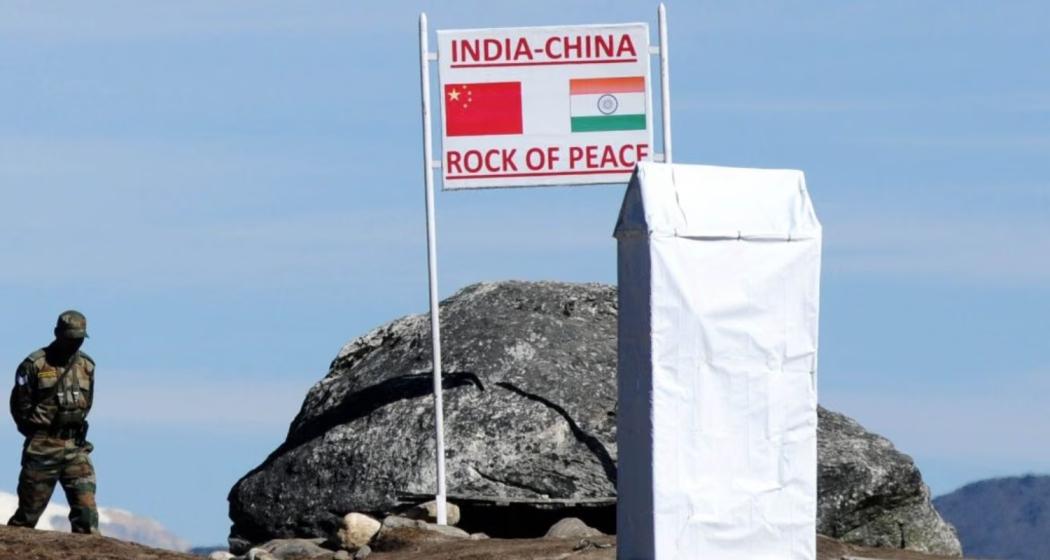
India on Sunday firmly rejected China’s move to assign new names to several places in Arunachal Pradesh, terming the attempt “mischievous” and asserting that such actions cannot alter the reality that the state is an integral part of Indian territory.
The response came after Beijing announced Chinese names for a number of locations in Arunachal Pradesh, a region it claims as part of southern Tibet, a claim New Delhi has consistently dismissed.
“India categorically rejects any mischievous attempts by the Chinese side to assign fictitious names to places which form part of the territory of India,” External Affairs Ministry spokesperson Randhir Jaiswal said.
He added that such moves were aimed at introducing “false claims” and “manufacturing baseless narratives” but would not change the facts on the ground.
“Such attempts by China at introducing false claims and manufacturing baseless narratives cannot alter the undeniable reality that these places and territories, including Arunachal Pradesh, were, are, and will always remain an integral and inalienable part of India,” Jaiswal said.
Also read: Arunachal: Govt shifts Frontier Highway project from PWD to BRO
India has repeatedly asserted that Arunachal Pradesh is a sovereign and inseparable part of the country, rejecting China’s periodic attempts to rename places in the region. Beijing has in the past released lists of Chinese names for locations in the state as part of its territorial claims.
The Ministry of External Affairs also said that such actions were not conducive to improving bilateral ties between the two countries.
“These actions by the Chinese side detract from ongoing efforts to stabilise and normalise India-China bilateral ties,” Jaiswal said, urging Beijing to avoid steps that could further strain relations. “China should refrain from actions which inject negativity into relations and undermine efforts to create better understanding,” he added.
Relations between India and China have remained tense since the eastern Ladakh standoff, with both sides engaged in diplomatic and military talks to ease friction along the Line of Actual Control.

 Follow us