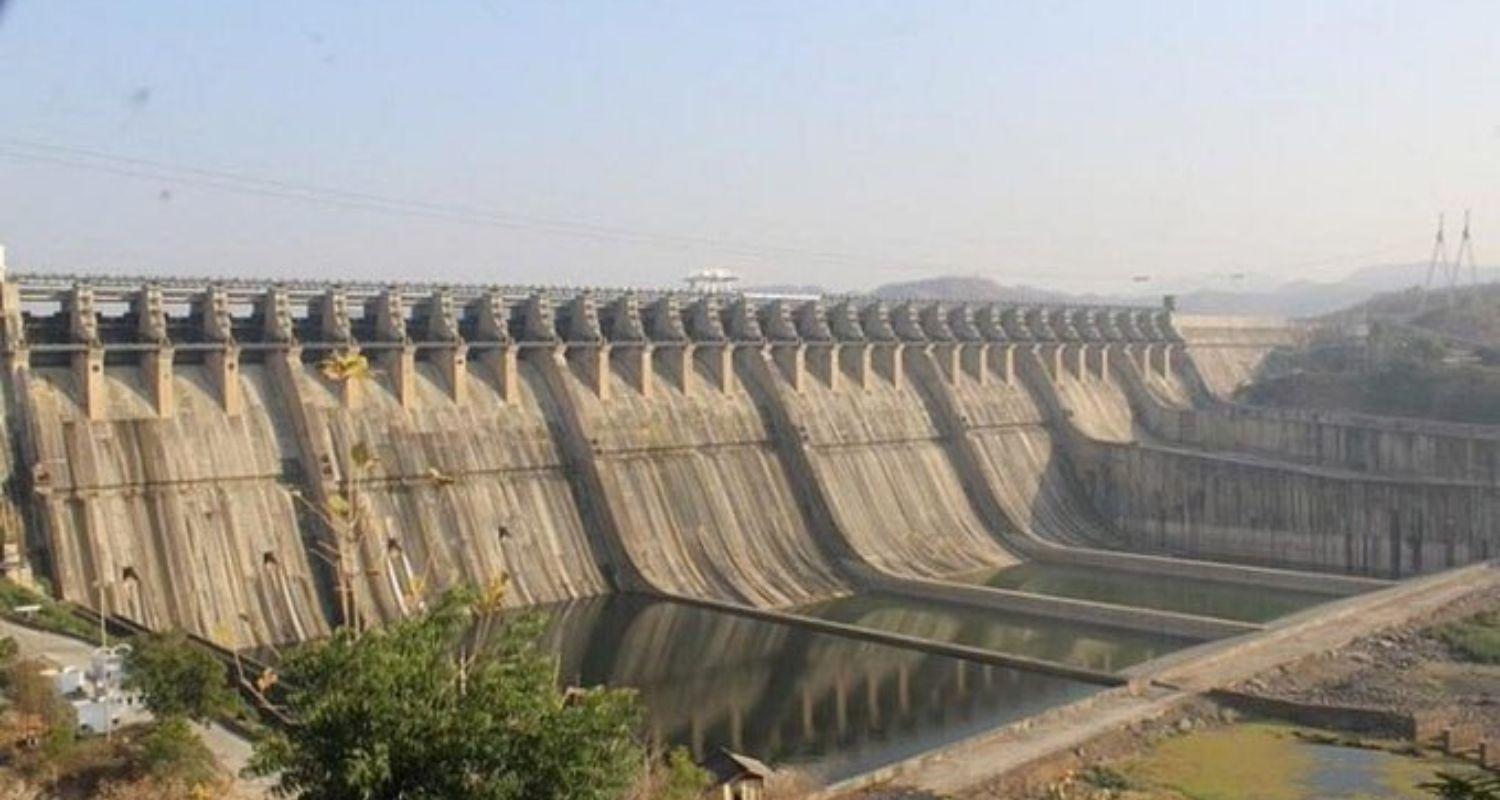
Pakistan is currently dealing with a serious water crisis before the onset of summer, and this is expected to worsen with the upcoming completion of the Shahpur Kandi barrage on March 31, after which the surplus water, which used to flow into Pakistan because of the absence of storage facilities in India, will instead be used for irrigation.
The decision to use the water for irrigation was announced by J&K minister Javed Ahmed Rana, who said that the aim is to irrigate the drought-affected Kathua and Samba districts. In response to the effect on Pakistan, Rana mentioned, "Why are you concerned about Pakistan? Let them worry about the troubles of their own making."
This development follows Union Water Resources Minister CR Patil’s statement last week asserting that Indus River waters flowing towards Pakistan would be harnessed for India's interests.
The Shahpur Kandi project, crucially, falls outside the scope of the Indus Waters Treaty (IWT). Under the 1960 agreement, India holds unrestricted rights to the "eastern rivers"— the Sutlej, Beas, and Ravi. Pakistan, however, has relied on surplus water from these rivers for decades.
This new policy change comes after the terror attack in Pahalagam last year, which forced India to accelerate the development of hydropower projects and dams to maximise the utilisation of river water.
For Pakistan, being an agricultural economy and so reliant on its agricultural sector, this is a very dangerous development for them. About 80 per cent of its agricultural land is dependent on the Indus system, which contributes 25 pc of its GDP. Therefore, any disruption in the flow of water is a dangerous threat to its food security as well as the water supply to its major cities like Lahore.
The Shahpur Kandi barrage has a history of disputes, with the construction of the barrage being held up since its inception in 1979 due to a dispute between the Punjab and J&K state governments. But a major breakthrough was achieved in 2018 after the intervention of the central government, with the project scheduled to irrigate more than 32,000 hectares of land in India by April of this year.
India has also hastened the development of hydroelectric power projects on the Chenab River, which is scheduled to be completed by 2027-28, and is also reviving the Wular barrage project on the Jhelum.
While Pakistan has raised concerns globally over the "weaponisation of water," India has rejected the legitimacy of proceedings initiated by Islamabad in The Hague. The current developments underscore a major shift in Delhi’s policy: India will no longer allow Pakistan to benefit from incomplete infrastructure projects. As Prime Minister Modi has famously stated, "blood and water cannot flow together."
Also read: Indus water talks stall as India rejects Hague arbitration

 Follow us