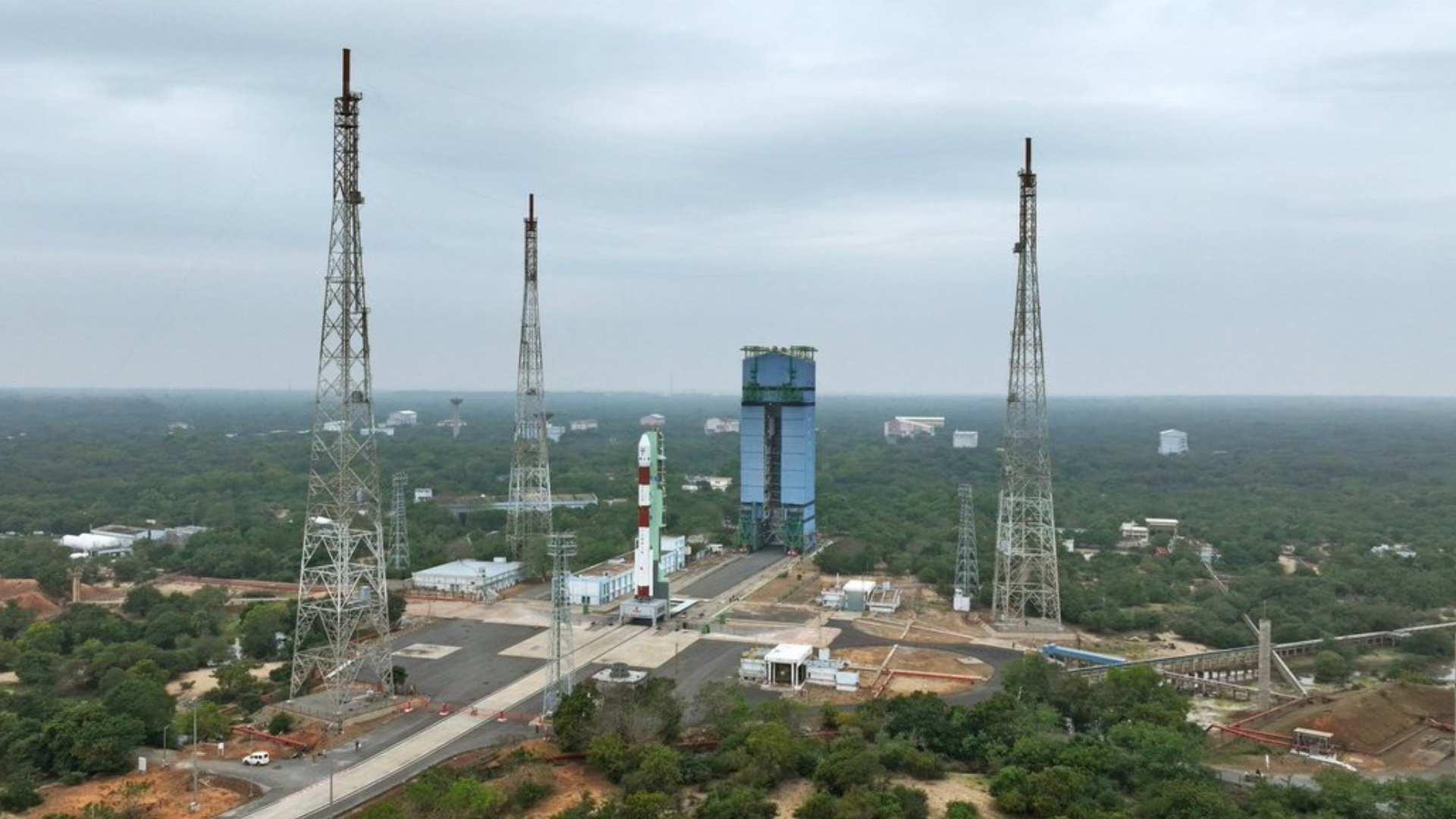
The historic Satish Dhawan Space Centre in Sriharikota is alive with preparations as the Indian Space Research Organisation (ISRO) gears up for its first major launch of 2026 — the PSLV-C62 mission. This high-profile flight, using ISRO's reliable "workhorse" Polar Satellite Launch Vehicle (PSLV) in its DL variant (with two solid strap-on boosters), is the 64th PSLV flight overall and marks a key return to service after the previous mission's setback.
The launch is scheduled for today, at 10:17 am IST (some sources note a slight adjustment to 10:18 am) from the First Launch Pad (FLP). It will deploy a total of 16 satellites (one primary and 15 co-passengers) into a Sun-Synchronous Polar Orbit, showcasing India's strengths in the global small-satellite launch market through NewSpace India Limited (NSIL), ISRO's commercial arm.
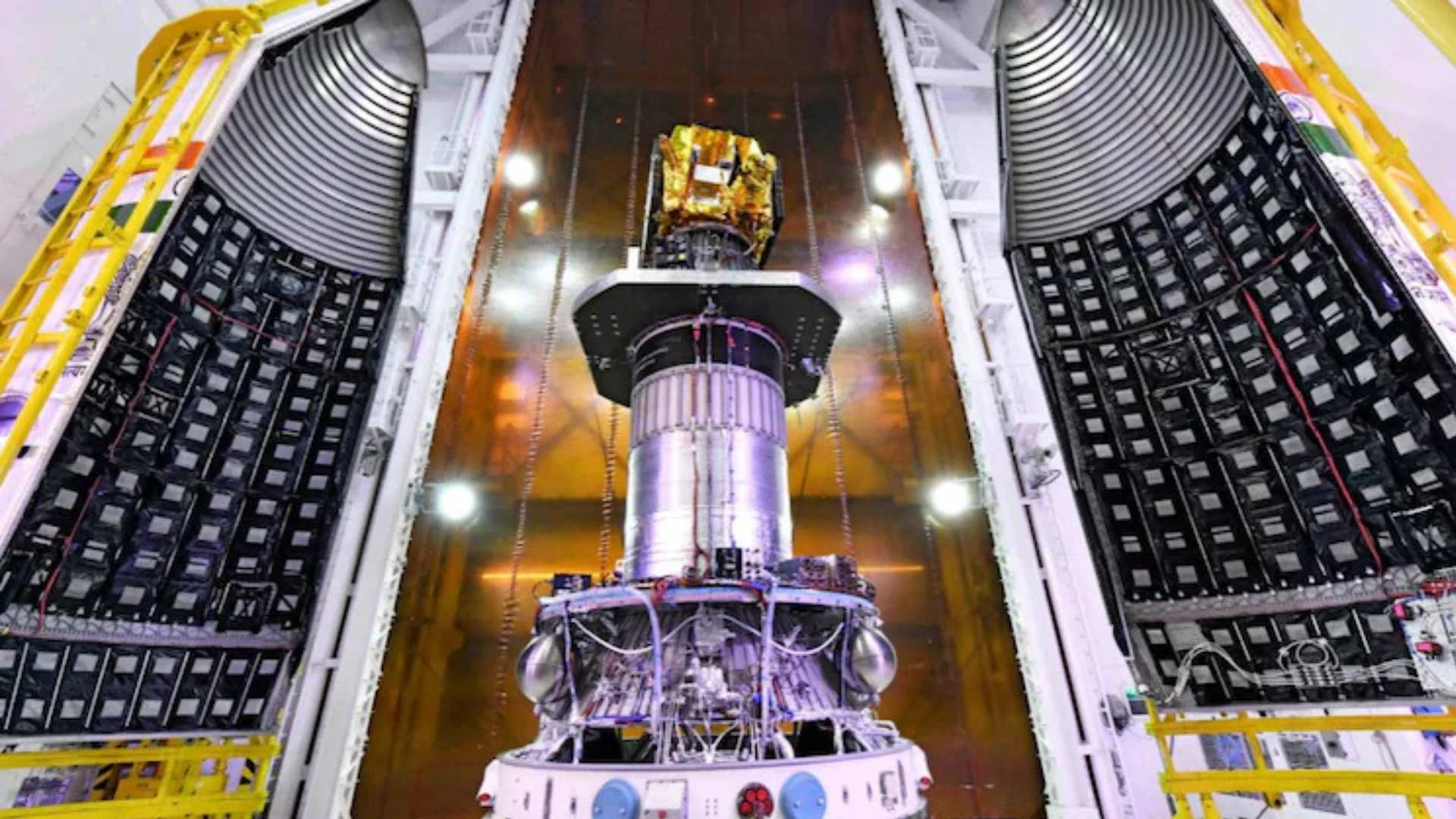
Primary Payload: EOS-N1 (Anvesha)
The star of the mission is EOS-N1, codenamed Anvesha, an advanced hyperspectral Earth observation satellite developed by the Defence Research and Development Organisation (DRDO). This satellite captures highly detailed images using hundreds of narrow, continuous spectral bands per pixel, creating unique "spectral fingerprints" for materials. It enables precise applications like monitoring crop health, soil moisture, mineral deposits, urban sprawl, environmental changes, and strategic surveillance.
On-Orbit Refuelling Demonstration: AayulSAT
A groundbreaking feature is AayulSAT, developed by Bengaluru-based startup OrbitAID Aerospace. This is India's first on-orbit refuelling technology demonstrator. It tests a proprietary docking interface (Standard Interface for Docking and Refuelling Port - SIDRP) and fuel-transfer mechanism in microgravity.
The goal is to extend satellite lifespans by refuelling in space — preventing them from becoming debris once propellant runs out — and paving the way for future "orbital petrol pumps" to support sustainable constellations.
India's First Orbital AI-Image Laboratory: MOI-1 with MIRA Telescope
The mission also carries MOI-1, a collaborative 14-kg CubeSat from Hyderabad-based startups TakeMe2Space and Eon Space Labs. This introduces India's first orbital AI-image laboratory, using edge computing to process data directly on-board, reducing latency and downlink costs.
Integrated into MOI-1 is MIRA, claimed as the world’s lightest space telescope at just 502 grams. Carved from a single solid block of fused silica glass, its single-piece design makes it highly stable and resistant to launch vibrations, ensuring sharp focus. MIRA provides multispectral imaging, and MOI-1 enables users to rent processing time (described in some reports as a "cybercafe in space" for $2 or Rs 180 per minute), democratising access to orbital AI analysis for applications like environmental monitoring and disaster response.
International and Domestic Rideshare
This flight serves as a global "satellite taxi" with diverse co-passengers:
- Munal from Nepal (topography mapping, supported by India's Ministry of External Affairs).
- Kestrel Initial Demonstrator (KID) from Spain — a 25-kg re-entry technology capsule that will test atmospheric plunge and splashdown in the South Pacific after about two hours.
- Indo-Mauritius Joint Satellite.
- Brazilian payloads, including Aldebaran-1 for maritime rescue and the symbolic "Orbital Temple" (storing 14,000 names in perpetuity).
- Domestic contributions from Dhruva Space and others, like LACHIT and Thybolt-3, validate indigenous communication systems.
As the PSLV roars to life today, this mission not only reinforces India's reputation as a dependable, cost-effective gateway to space but also highlights growing private-sector innovation and international collaboration. The skies await — and ISRO is set to deliver another milestone!
Also Read: Countdown begins for ISRO's PSLV-C62 launch

 Follow us