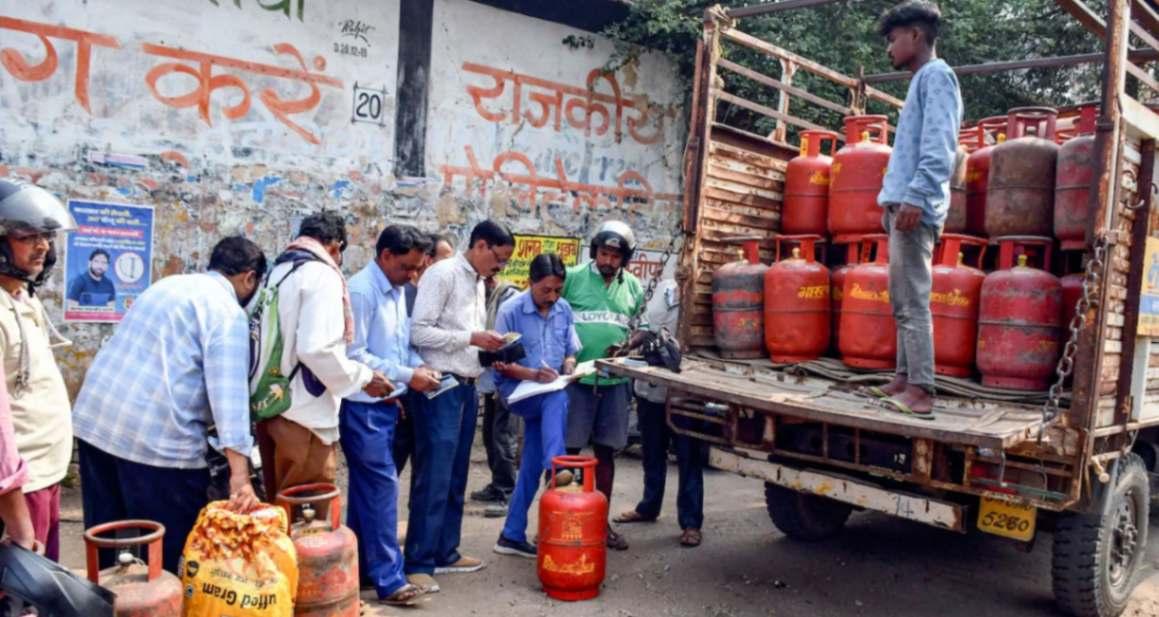
India’s big cities are currently facing a severe energy crisis as the shortage of commercial LPG cylinders, caused by the rising conflict in West Asia, starts to result in the closures of establishments across the country. In Bengaluru, Chennai, and Mumbai, industry associations have sounded the alarm about the severe impact of the sudden stoppage of gas supplies to these establishments, not only on the industry but also on the provision of meals to students, hospital staff, and travellers who depend on these establishments for their meals.
In Bengaluru, the situation turned particularly grim on Monday when the local hotels' association announced that many operations would likely cease from March 10. Despite earlier assurances from oil companies of a 70-day buffer, the "sudden stoppage" has left the sector reeling. PC Rao, the association's president, noted that while they intend to "function till the last drop," the lack of commercial fuel is making that nearly impossible. Similar anxieties were echoed in Chennai, where M Ravi, president of the city’s hotel association, petitioned Prime Minister Narendra Modi, highlighting that the disruption threatens the food supply for IT parks, hostels, and even critical hospital contracts.
Mumbai’s iconic food scene is already feeling the pinch, with roughly 20 per cent of establishments in areas like Dadar and Matunga suspending operations entirely. Those that remain open have been forced into a form of "menu rationing," dropping time-consuming, slow-cooked staples like Dal Makhani and Rava Dosa to conserve their dwindling gas stocks. The Federation of Hotel and Restaurant Association of India (FHRAI) has since appealed to Petroleum Minister Hardeep Singh Puri, alleging that distributors are withholding supplies based on a misunderstood government directive from 5 March.
While the government maintains that India’s energy imports via non-Hormuz routes are in "full flow," the Ministry of Petroleum and Natural Gas has introduced a mandatory 25-day inter-booking period for domestic cylinders to curb hoarding. Crucially, the Ministry has clarified that while hospitals and schools are being prioritised, a committee has been formed to review how — and if — supplies can be restored to the wider restaurant industry.
The volatility was mirrored in the global markets this morning; after Brent crude surged past $100 a barrel on Monday, prices saw a sharp correction on Tuesday, sliding back towards $92. However, for the thousands of Indian restaurant owners currently staring at empty kitchens and rising overheads, these fluctuating global figures are secondary to the immediate, desperate need for a steady supply of commercial gas.
Also read: LPG crisis shuts 20 pc of Mumbai restaurants, hotels

 Follow us