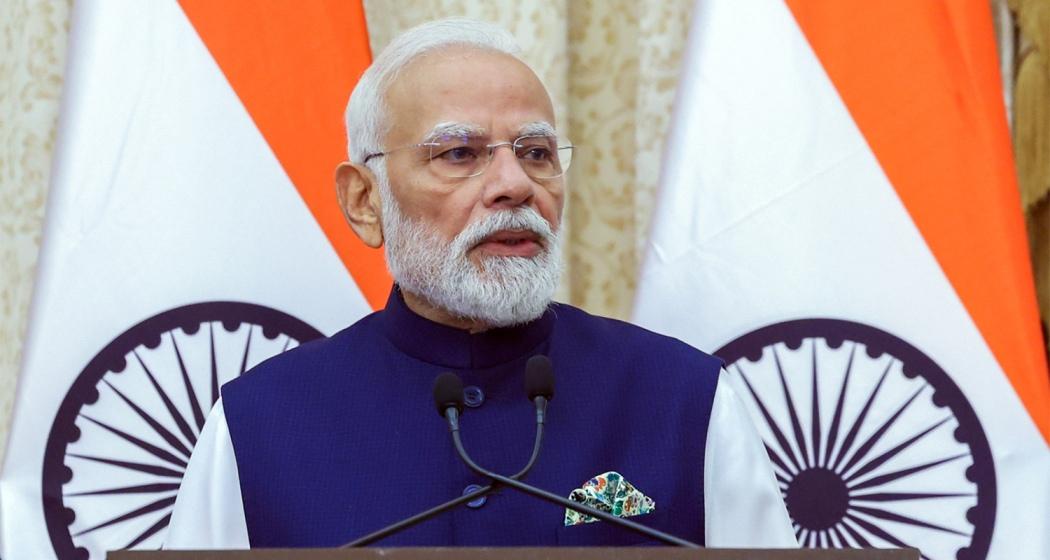
Prime Minister Narendra Modi on Thursday described the Emergency imposed in 1975 as a “direct assault on the Constitution”, marking its 51st anniversary as the Bharatiya Janata Party observed the day as Samvidhan Hatya Diwas.
In a post on social media platform X, Modi said the Emergency, which remained in force for nearly 21 months after being imposed on June 25, 1975, represented one of the darkest chapters in India’s democratic history.
He recalled the suspension of civil liberties, censorship of the press and the arrest of political leaders, journalists and social workers during the period, and paid tribute to those who resisted the crackdown.
“The Emergency was a direct assault on the Constitution,” Modi said, adding that citizens who stood firm during the period showed “extraordinary courage” in defending democratic values.
Also read: NCERT introduces 'Emergency' chapter in new Class 9 textbook
He said the Constitution represents the aspirations, rights and duties of 140 crore Indians and reaffirmed the government’s commitment to safeguarding constitutional values and democratic principles.
Since 2024, the BJP-led government has been observing June 25 as Samvidhan Hatya Diwas to mark the anniversary of the Emergency.
Union Defence Minister Rajnath Singh also termed the Emergency a warning against authoritarian rule, saying it highlighted how democratic institutions and citizens’ freedoms can be undermined when power is misused.
He said the occasion should serve as a reminder to reaffirm commitment to democracy, constitutional values and civil liberties.
The Emergency was declared on June 25, 1975, under Article 352 of the Constitution by then President Fakhruddin Ali Ahmed, citing “internal disturbance”. It remained in force until March 21, 1977.
The period is closely associated with then Prime Minister Indira Gandhi, during whose tenure several opposition leaders were detained under the Maintenance of Internal Security Act (MISA), including veteran socialist leader Jayaprakash Narayan, who had led the anti-government Sampoorn Kranti movement.
The Emergency period continues to remain one of the most debated chapters in India’s political history, with sharp differences over its legacy and impact on democratic institutions.

 Follow us