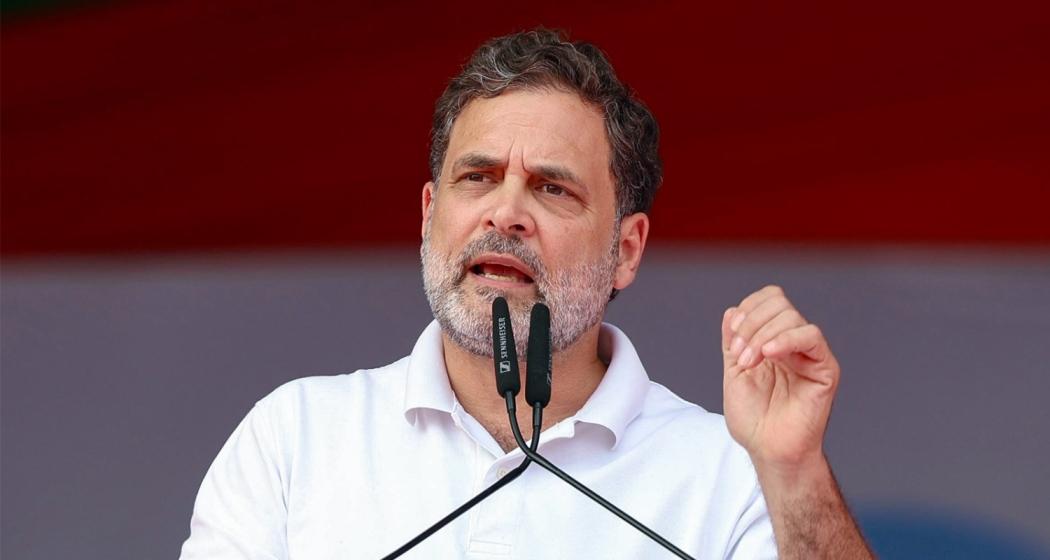
Leader of Opposition in the Lok Sabha Rahul Gandhi on Thursday warned that the ongoing conflict involving the United States, Israel and Iran could have significant repercussions for India, particularly on its economy and energy supplies.
Speaking in the Lok Sabha, Gandhi cautioned that disruption to the Strait of Hormuz — a critical global energy route — could directly affect India’s access to oil and gas.
He said anxiety over liquefied petroleum gas (LPG) supplies was already spreading and warned that the situation could worsen if the conflict escalates further.
“The foundation of every single nation is its energy security. Allowing the United States to decide who we buy oil from, who we buy gas from, and whether we can buy oil from Russia or not. Our relationship with different oil suppliers can be decided by us. This is what has been bartered,” Gandhi said.
Questions over India’s energy decisions
Gandhi questioned why a country of India’s size should allow another nation to influence its energy procurement decisions.
“Why a nation the size of India would allow any other nation, the President of another nation to give us permission to buy Russian oil, to decide who our relationships are with,” he said.
His remarks came amid rising geopolitical tensions in West Asia and concerns that the conflict could disrupt shipping lanes used for global energy trade.
The Strait of Hormuz is among the world’s most crucial maritime chokepoints, carrying a large portion of global oil shipments every day. Any blockade or disruption there could trigger supply shortages and price spikes in energy-importing countries like India.
Also read: Centre working to control LPG shortage crisis: Suresh Gopi
Government monitoring energy security
Earlier in the day, the Ministry of External Affairs said External Affairs Minister S. Jaishankar had spoken with his Iranian counterpart Abbas Araghchi regarding the safety of shipping routes and India’s energy security.
MEA spokesperson Randhir Jaiswal said the two ministers had spoken three times in recent days, with discussions focusing on ensuring safe maritime transit through the Strait of Hormuz and maintaining stable energy flows.
“EAM and FM of Iran have had three conversations in the last few days. The last one discussed issues pertaining to safety of shipping and India’s energy security. Beyond that, it would be premature for me to say anything,” Jaiswal said.
Indians in Iran being assisted
The MEA also said around 9,000 Indian nationals are currently in Iran, including students, seafarers, professionals, businesspersons and pilgrims.
According to the ministry, several Indians, mainly students, have already returned home, while others in Tehran have been moved to safer areas.
The government is facilitating the movement of Indians wishing to leave Iran through land routes to neighbouring countries such as Azerbaijan and Armenia, from where they can board commercial flights back to India.
Officials said assistance is being provided for visas and border crossings, and several Indian nationals have already been helped to exit the country safely.



 Follow us