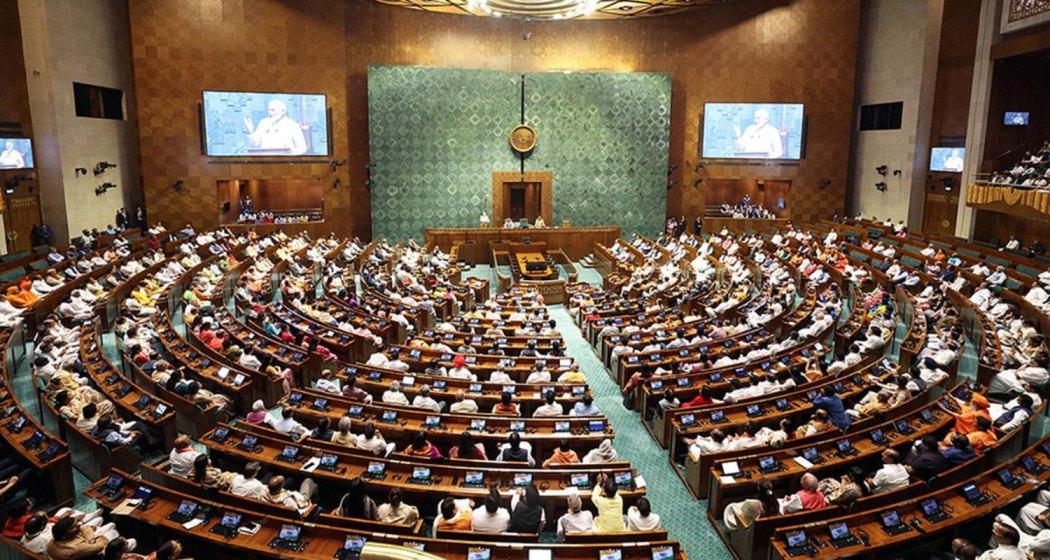
The BJP-led National Democratic Alliance (NDA) is considering convening a special session of Parliament to secure passage of the 131st Constitution Amendment Bill, 2026, which links implementation of women’s reservation to the proposed delimitation exercise, according to top government sources.
The move hinges on the alliance securing the two-thirds majority required in both Houses of Parliament to pass a constitutional amendment.
Senior government sources said the legislation remains a priority for the Narendra Modi government and could be brought before Parliament as soon as the necessary numbers are available.
“The Bill is our topmost priority. Once we cross the two-thirds mark, we will pilot the Bill. Why monsoon session? We will bring it even through a special session of Parliament provided we get the numbers,” a senior minister said.
The discussions come as Prime Minister Narendra Modi completed 12 years in office and surpassed Jawaharlal Nehru as the country's longest-serving elected prime minister.
Also read: Monsoon session: Govt to revive women's quota, delimitation bills
According to sources, the NDA is exploring possibilities of gaining support from parties outside its fold. The ruling alliance is hopeful of support from sections of the Opposition, including the DMK and smaller regional parties, for the legislation.
The proposed amendment seeks to increase the strength of the Lok Sabha and state assemblies while reserving one-third of the seats for women following delimitation.
The government's earlier attempt to pass the legislation during a special session of Parliament on April 17 fell short of the required numbers. While 298 MPs voted in favour of the Bill and 230 against it, the constitutional amendment required 352 votes among the 528 members present and voting.
Government sources argue that states, including Tamil Nadu, could benefit from an increase in Lok Sabha seats under the delimitation exercise, which may help build wider political support for the proposal.
The NDA is expected to continue consultations with political parties as it seeks to gather the support necessary for the passage of the key constitutional amendment.

 Follow us