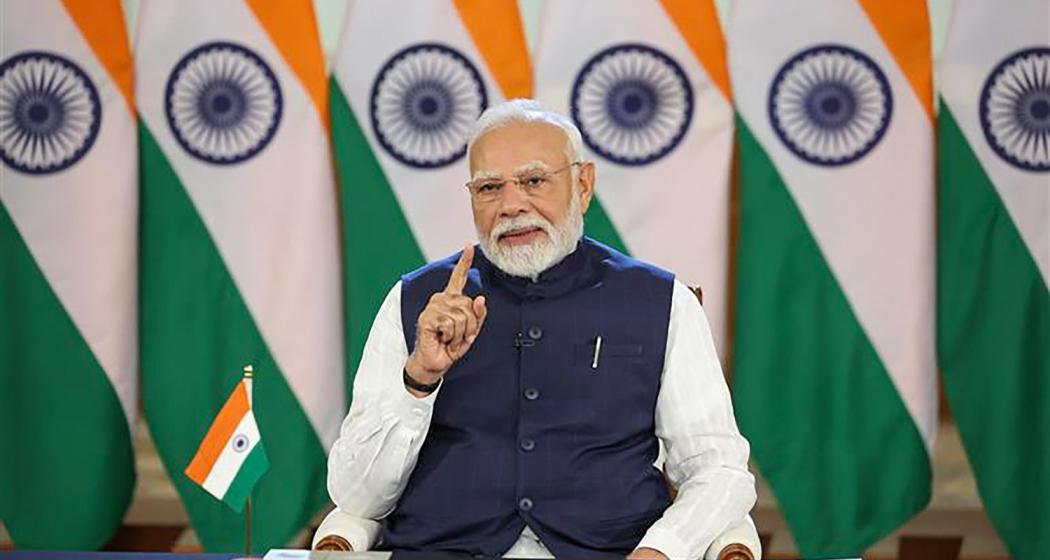
Prime Minister Narendra Modi is set to hold a virtual meeting with chief ministers on Friday to review the escalating conflict in West Asia and assess its possible implications for India.
The discussion is expected to highlight a coordinated ‘Team India’ strategy to address potential disruptions stemming from the crisis, particularly in areas such as energy supplies, supply chains and inflation. However, chief ministers from states that are heading into Assembly elections are unlikely to attend the meeting.
The outreach comes at a time of increasing concern over the global fallout of the tensions, especially regarding oil and gas flows, given the region’s importance to India’s energy security. The Central Government has already begun rolling out measures aimed at cushioning any domestic impact.
Also read: Strait of Hormuz on mind, Trump calls PM Modi
Speaking in the Parliament earlier, Modi adopted a cautious tone, warning that the ongoing conflict could lead to a prolonged global energy crisis. He noted that the consequences would be ‘inevitable’ if hostilities persist, while assuring that steps are being taken to minimise the burden on citizens.
The Prime Minister also urged the public to remain prepared for possible disruptions, even as he emphasised the importance of resilience and stability in dealing with external shocks.
As part of its response, the government has set up seven empowered groups to oversee key sectors, drawing on a framework similar to the one used during the COVID-19 pandemic. These groups will monitor fuel availability, supply chains, fertiliser distribution and price stability, among other critical areas.
At the same time, New Delhi has intensified diplomatic efforts aimed at de-escalating tensions and ensuring the uninterrupted flow of energy supplies. Authorities are also working to diversify sources of crude oil and natural gas to reduce dependence on any single region.
Domestically, the Centre is pushing for closer coordination with states to safeguard essential supplies and shield vulnerable groups—including farmers, migrant workers, and low-income households—from the effects of global volatility.
The proposed interaction with chief ministers is expected to evaluate preparedness across states, address logistical hurdles, and strengthen systems to maintain stability in essential commodities.
Overall, the initiative reflects the government’s broader approach of combining diplomatic engagement with internal coordination to navigate the evolving crisis, as officials remain vigilant about potential economic and supply-side challenges arising from the West Asia situation.

 Follow us