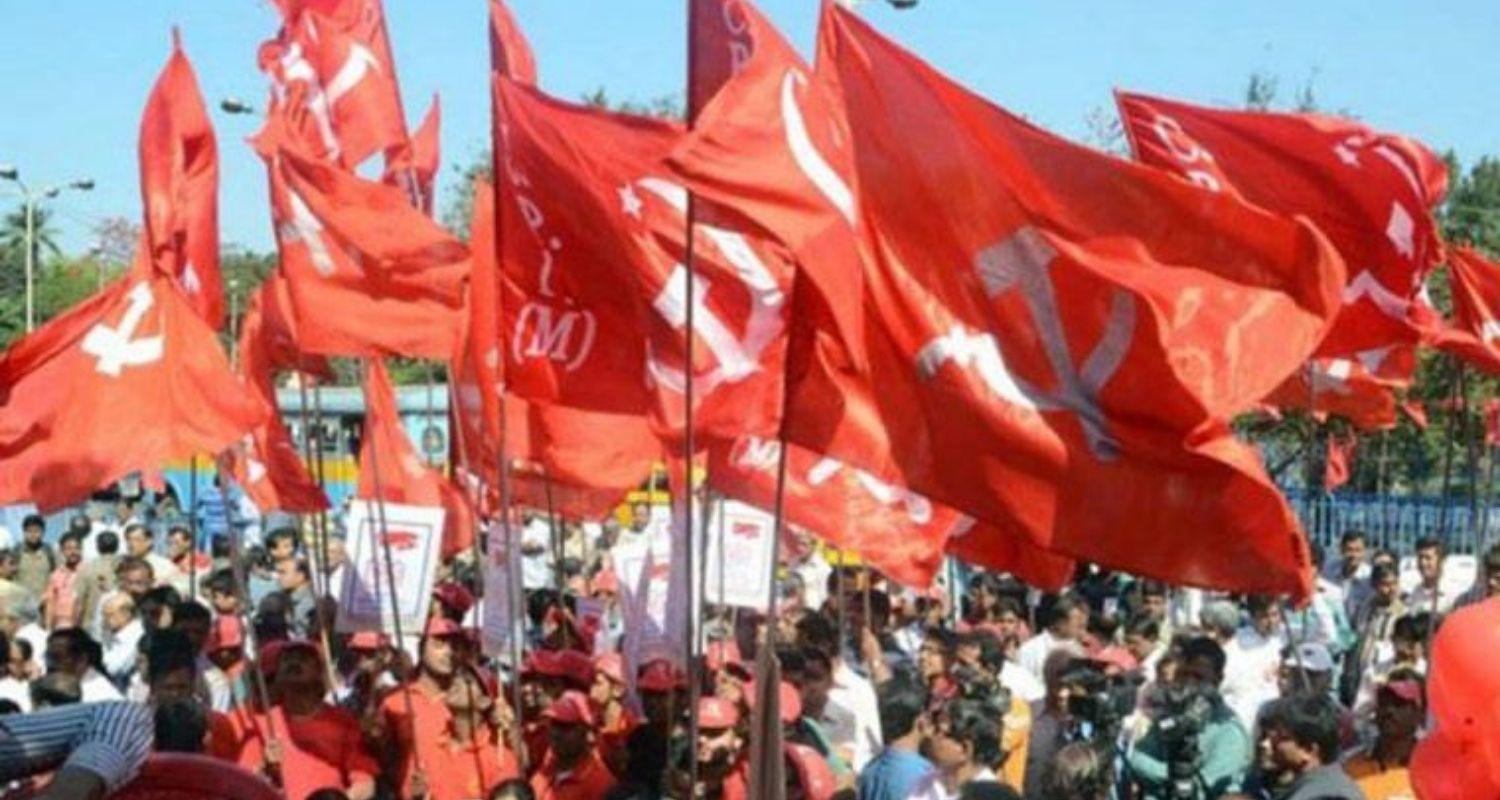
Ten years is a long time in politics—long enough to rebuild, recalibrate, and reconnect. For the Communist Party of India (Marxist), however, the period from 2016 to 2026 appears to have been less about introspection and more about denial. Now, after a sobering review at its recent Central Committee meeting in Delhi, the party has finally acknowledged what many observers, and even its own grassroots cadres, had long understood: it misread the ground reality.
The admission, though significant, comes with an uncomfortable question—why did it take so long?
The party’s post-mortem of its electoral performance in West Bengal and Kerala has revealed systemic flaws, from ineffective campaigning to poor candidate selection. But the most striking realisation is political rather than organisational: a considerable section of Left supporters in West Bengal drifted towards the BJP, driven by the belief that unseating the Trinamool Congress was the immediate priority. This shift, once dismissed as anecdotal or exaggerated, is now being acknowledged as a central factor in the Left’s decline.
Yet, this was no sudden phenomenon. The warning signs were visible as early as the 2016 Cooch Behar Lok Sabha by-election. The BJP’s leap to second place— largely at the expense of the Left—was not just an electoral statistic; it was a political signal. The erosion of the Left’s vote share and the corresponding rise of the BJP in subsequent elections only reinforced that trajectory. The tragedy lies not in the shift itself, but in the party’s refusal to confront it in time.
Part of this disconnect can be traced to the political environment that unfolded after the Trinamool Congress came to power in 2011. The promise of “change, not revenge” soon gave way—according to the CPI(M)’s own narrative—to widespread allegations of political violence, organisational dismantling, and administrative centralisation. Attacks on Left workers, forced defections, and the weakening of local governance institutions created a climate of fear and disillusionment. In such a landscape, it is perhaps unsurprising that sections of the Left’s base sought refuge in what they perceived as a stronger opposition force.
However, to attribute the exodus solely to external pressures would be an incomplete analysis. The CPI(M)’s leadership must also reckon with its internal failures—particularly its inability to respond to the anxieties of its cadres during critical moments such as the 2018 panchayat elections. Reports of violence against party workers and leaders, coupled with what many perceived as an inadequate response from the leadership, deepened the sense of abandonment at the grassroots level.
Equally telling is the shift among the urban middle class, once a reliable constituency for the Left. Here, the motivations appear less ideological and more aspirational. Conversations with this segment suggest a yearning for stability, opportunity, and access to resources—needs that the Left has struggled to address convincingly in recent years. The appeal of alternative political forces, therefore, cannot be dismissed as mere propaganda; it reflects a deeper transformation in voter expectations.
The party’s proposed “purification drive” or rectification campaign is not without precedent. Similar efforts were undertaken in the past, notably in 1996, to address ideological deviations. But history offers a cautionary note: such exercises often generate rhetoric without sustaining momentum. Whether this latest initiative will lead to genuine renewal or become another fleeting response to electoral setbacks remains to be seen.
What is clear, however, is that the road ahead is steep. Reclaiming lost ground—particularly from a politically ascendant BJP—will require more than organisational tweaks. It will demand a fundamental re-engagement with the electorate, a willingness to confront uncomfortable truths, and a departure from the insularity that has characterised the party’s recent approach.
The upcoming State Committee conference at the end of August will be crucial in this regard. It is here that the CPI(M) must move beyond diagnosis to prescription, crafting a strategy that is both realistic and forward-looking. The decisions taken will not only shape the party’s immediate prospects but also determine whether it can reassert itself as a meaningful force in West Bengal’s political landscape.
For now, the party stands at a crossroads—aware, perhaps belatedly, of the storm it once chose to ignore. Whether this moment marks the beginning of a genuine revival or merely another chapter in a prolonged decline will depend on what it does next.
By Pranab Mondal

 Follow us