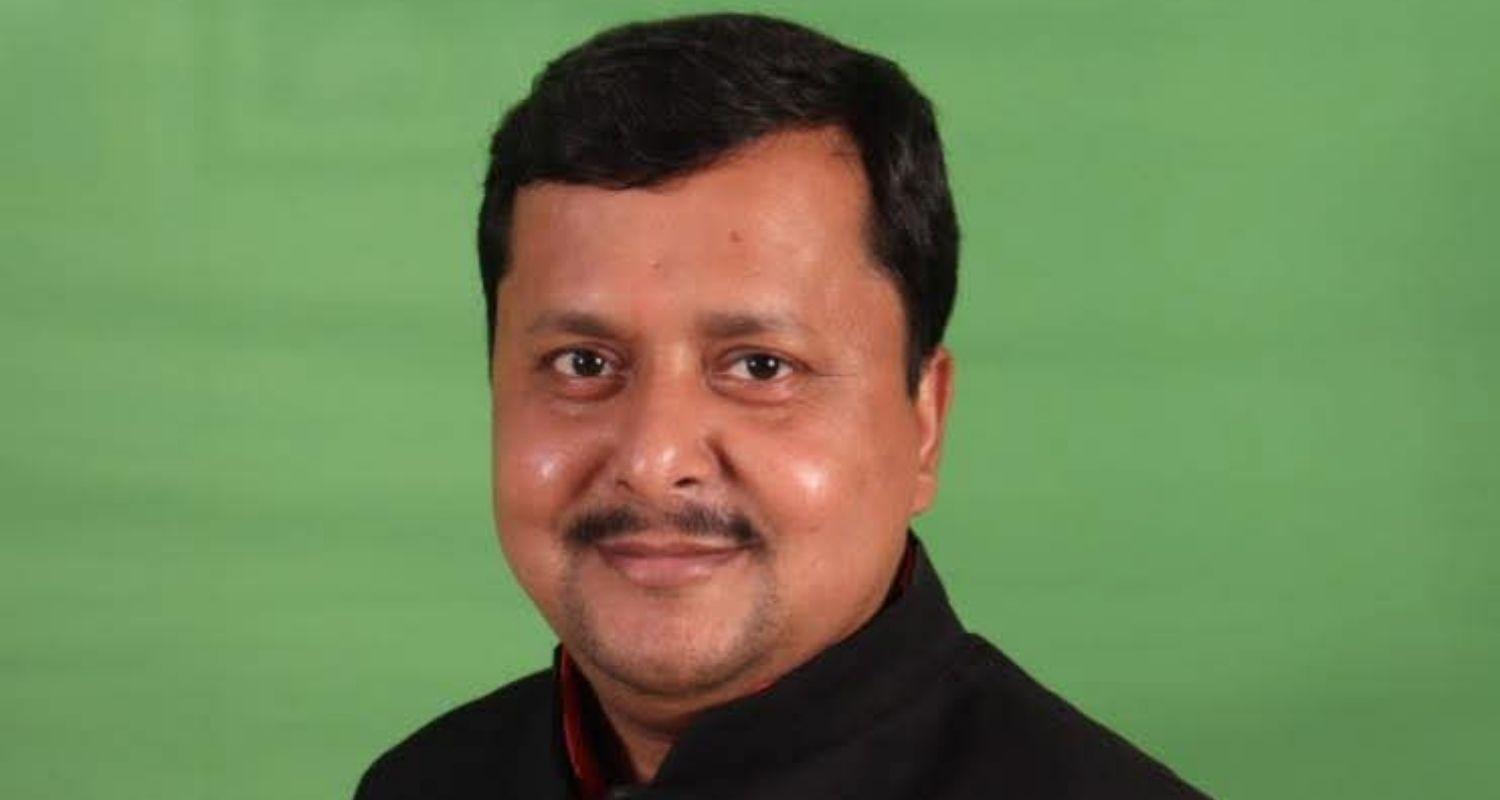
The Bharatiya Janata Party has finally ended the suspense over the appointment of its next president. In fact, the party has come out with a surprise by picking up 45-year-old ‘young leader’ Nitin Nabin from Bihar to be the working president, till the time he is formally elected by next year. Nabin was incidentally born the same year the BJP rechristened itself in 1980 as the Bharatiya Janata Party from its earlier avatar of Bharatiya Jana Sangh.
The ‘top BJP leadership’, that includes Prime Minister Narendra Modi, Union Home Minister Amit Shah and incumbent president JP Nadda, has obviously overruled the advice of the Rashtriya Swayamsevak Sangh (RSS) which had suggested appointment of someone senior like Manohar Lal Khattar or Shivraj Singh Chauhan, both former chief ministers and currently Central ministers.
The BJP right now is a political behemoth. Managing, navigating and leading it is not an ordinary job. The party claims to have 14 crore members, probably second only to the Chinese Communist Party.
Handing over the reins of the party to someone who has not even served as the state president, is something unprecedented and surprising that too when the BJP has no dearth of stalwarts who have great experience and expertise in running the party affairs. There are multiple factors behind the elevation of someone, who, till yesterday was not counted among the first, second or third-rung leaders of the party. Age and experience were also not on his side. Probably that worked in his interest.
It is understandable that the current ‘top leadership’ of the party would like smooth functioning of the government and the party with harmonious relationship between the two. Any seasoned veteran, someone like Shivraj Singh Chauhan or Manoharlal Khattar, may not have been easy to deal with, as these leaders would obviously work with a mind of their own. This is not to suggest that this would have created a parallel power centre or Nitin Nabin will not be able to work independently.
By appointing a president who is in his mid-forties and has another three decades of political career left to work and serve the party, the BJP has conveyed a message to the rank and file that anyone from anywhere can become the leader depending on his/ her capabilities. This will also prove to be inspiring for hundreds of middle and lower-rung leaders in the BJP that they can aspire to lead the party at the national level someday.
It is not for the first time that the party has come out with such surprise by picking up an unlikely choice who is young and the least expected to make it. The BJP tried this experiment in picking up the chief ministers for Rajasthan, Madhya Pradesh and Chhattisgarh also, where it benched the veterans and gave the role and responsibility to the “fresh faces”. With the BJP’s support and patronage, they are all doing well. And there is no reason for Nitin Nabin not to succeed the same way.
Also read: I always will be with BJP: Capt Amarinder Singh
Every such appointment comes with a plethora of disappointments. Similarly, there will be a number of such disappointments within the BJP as there are several senior, seasoned and experienced leaders who may have been waiting to get the command but did not get it. Although highly unlikely, there may be some reservations and resentment in certain quarters over such an appointment.
Nitin comes from a family that has deep roots in the BJP. His father Nabin Sinha was also a prominent Kayastha BJP leader from Bihar who died in 2006 while being an MLA. Nitin got elected for the first time in the by-elections that were necessitated by his demise. He has continuously been elected since then and has never lost any election. Although he never became the state president of the party till now, he has remained the Bihar president of the Bharatiya Janata Yuva Morcha and also the national general secretary of the party.
BJP’s critics may try to interpret Nitin’s appointment differently, some even suggesting that the ‘top party leadership’ wanted someone junior and not a seasoned leader who would be difficult to handle. Even if that is a consideration, the message that has gone across is that the BJP, so far, is the only party where leadership does not come by birth. The principal Opposition party the Congress cannot claim such distinction of picking up an ordinary leader for the top position. About the regional parties, less said the better. Even the Aam Aadmi Party, which came into existence out of idealism, has made Arvind Kejriwal its lifetime head.
The BJP thinks ahead of others. Nitin Nabin will have about four years to prepare for the next General Elections scheduled to be held in 2029. By that time, he would have gained enough experience and expertise. He will be another addition to the already existing galaxy of leaders in the party who have served as presidents in the past, including Amit Shah, Rajnath Singh, Nitin Gadkari and JP Nadda. There will be four past presidents of the party working as ministers in the government.
The same cannot be said about the other parties. There is no doubt that Prime Minister Modi and Home Minister Amit Shah are in complete control and command of the party right now, but it is not permanent. Sooner or later they will make way for others, both in the party and in the government. That is what makes the BJP different from the rest.

 Follow us