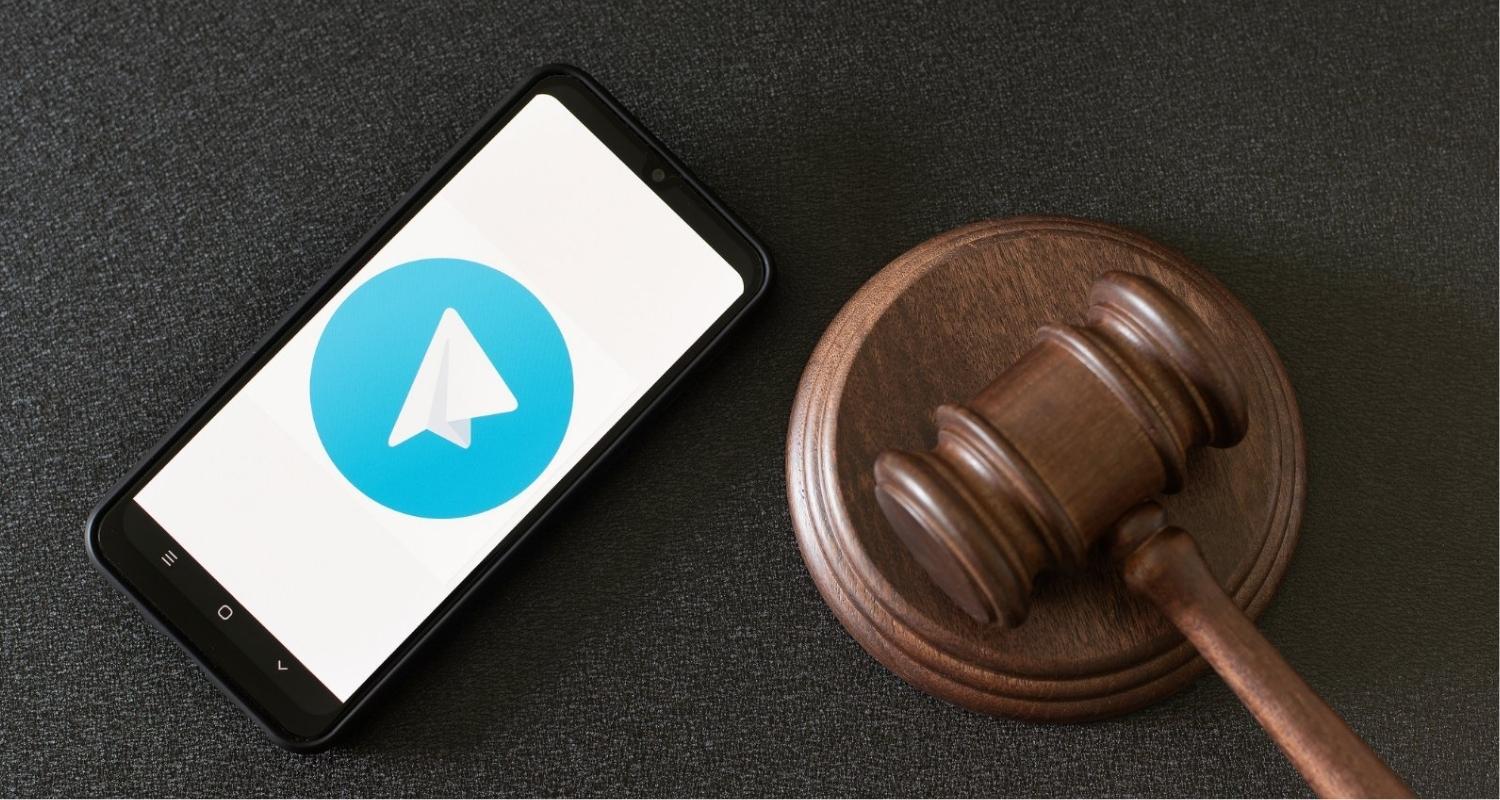
There is often a subjective and fine line between censorship and regulation. The one that has often pivoted towards the benefit of the governments rather than the governed. In the first six months of 2025, as per the information shared by Meta’s transparency reports, the platform restricted 28,000 pieces of content in India following official orders. As the Government of India’s new regulations come into effect, social media platforms contest the three-hour content takedown deadlines down from the earlier 36 hours. Once again, the conversation on censorship barges back into public discourse after India’s 2021 IT rules were already an existing flashpoint between the PM Modi-led government and the global technology giants. The government has not provided a reason for the sudden and steep reduction of takedown windows but Meta, YouTube and X have called the new rules a compliance challenge.
Nations with severely restricted digital content
In 2023, a study by Netherlands-based cyber security services provider Surfshark confirmed what digital rights advocacy groups have long protested against – the rising global trend of governments trying to crush dissent, censor discourse and control the content making its way to the public. The governments’ wide-ranging powers over social media has resulted in global tightening of freedom of speech online.
Critics have often flagged India too on joining the list of nations with severely restricted online content. As per the report, analysing content removal requests from 150 countries between the period of 2013 and 2022, most of the removals sought were on grounds of “defamation.” In the said period, more than 3.5 lakh content takedown requests were put to Google in the 150 nations, of which six nations namely Russia, South Korea, India, Turkey, Brazil and US accounted for 85 per cent of the total requests. While Russia led the removal requests with 2.15 lakh takedown orders, India stood at number 3 with around 19,600 requests to remove more than 1.1 lakh items in a decade.
Also read: Stricter rules on AI-generated deep fake content introduced
In India, reportedly, half of takedown orders on micro-blogging platform Twitter are usually objected to on grounds of ‘disturbing public order.’ In 2024, before the Lok Sabha elections, these orders pertained to content that had the potential to ‘influence poll results.’ India’s IT rules empower the governments to order the removal of content deemed illegal under any of its laws and on grounds of lawfulness, public order, national security, or potential threat.
Regulation of content or censorship of free speech?
The Surfshark study flags the dangerous and exponential increase in government requests for content removal. “Over the last 10 years, the global request count has risen almost 13 times—from 7k to 91k requests per year or from 19 requests per day to 249,” said Agneska Sablovskaja, the lead researcher.
The subjective and a fine line between censorship and regulation has always pivoted to benefit the governments and authorities. But the current reduction of window period from the earlier 36-hour deadline to the existing three-hour one, has been labelled as both steep and sudden and worries human rights advocacy groups as it concerns the world’s largest democracy and more than a billion internet users.
The challenge for IT companies apart, it is a worrying development for civil and human rights. Rob Sherman, vice-president policy and deputy chief privacy officer at Meta, came on board to discuss the challenge that lay ahead for tech companies given the new reduced time frame. “Whenever we get a request from the government to look into a piece of content, we have it investigated and validate it ourselves. That is just something that takes time. It is often not possible to turn around in three hours,” he said on the sidelines of the recently concluded AI Impact Summit.
While the countries may vary in order, several different studies underscore the continuing controls and decline in internet freedom across the world. Freedom House’s comprehensive Freedom on the Net Report 2021, for the seventh consecutive year deemed China the most digitally oppressive country in the world. The report also mentions India’s IT laws, the internet shutdowns and ever growing grip of the government on digital freedom and tech companies. The report, an annual study of human rights in the digital sphere, assesses internet freedom in over 70 countries, accounting for 88% of the world’s total internet users. The 2025 Freedom On the Net report again highlights the continuing trend— that global internet freedom declined for the 15th consecutive year with Kenya experiencing the most severe decline. The report also applauds how Iceland has held its place as the world’s freest online environment.
It was in 2016, that the UN declared access to the internet a human right. In the past two decades it has become one of the most censored and a restricted right—the first to be cut off amid protests or civil unrest and the most to be restricted during normalcy. While internet may have been the most democratic invention that happened to human kind, it still hasn’t been able to weed out authoritarian corridors of power.
 Follow us