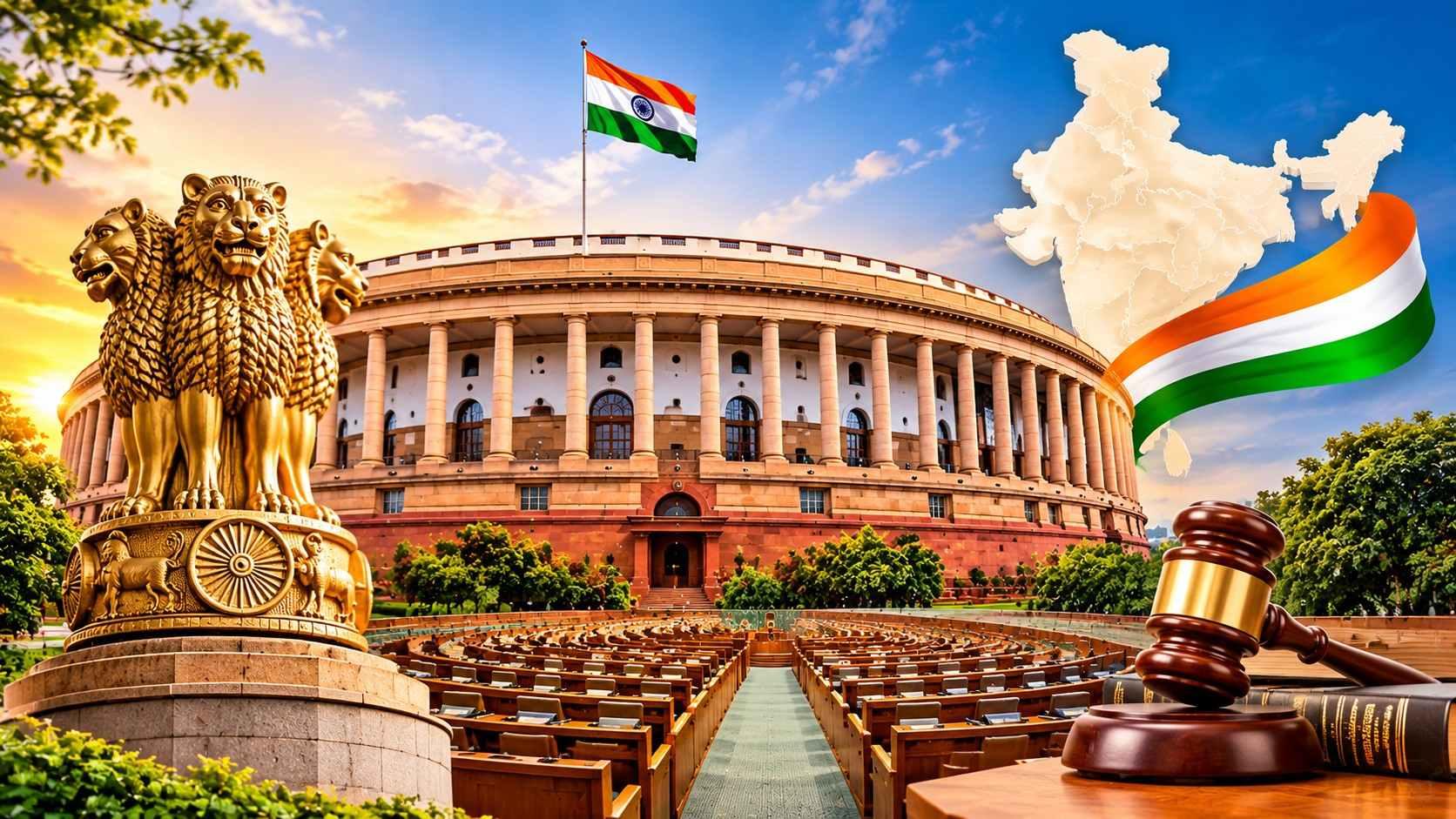
The Narendra Modi-led NDA government has advanced preparations for the delimitation bill after approving key amendments, including a uniform 50% increase in the number of Lok Sabha seats. The proposal would raise the strength of the House to 850 members.
Another amendment seeks to extend by 25 years the freeze on using the 1971 Census to determine the proportional representation of each state in the Lok Sabha. The move addresses a long-standing concern of southern states, which have sought protection against a reduction in their relative parliamentary representation.
Andhra Pradesh, Telangana, Tamil Nadu, Kerala and Karnataka have expressed apprehension that reallocating seats solely on the basis of population could favour states with higher population growth and reduce the share of states that have made greater progress in population stabilisation.
The central issue in the delimitation debate has been how to reconcile the principle of population-based representation with the concerns of states that have implemented measures to control population growth.
The government has convened a special sitting of Parliament from November 30 to December 3 for the transaction of “essential” business. The sitting will be treated as an extension of the Monsoon Session, which was adjourned sine die on August 13 but was not prorogued, or formally brought to an end.
The government has not disclosed the bills that will be taken up during the special sitting. The delimitation bill had failed in April after the Centre was unable to secure the required two-thirds majority. The composition and seat arithmetic of the House have changed since then.
Congress president Mallikarjun Kharge, who is also the Leader of the Opposition in the Rajya Sabha, has invited opposition floor leaders to a meeting at his residence on Saturday. The meeting is expected to focus on preparing a joint strategy in response to the likely reintroduction of the delimitation bill.

 Follow us