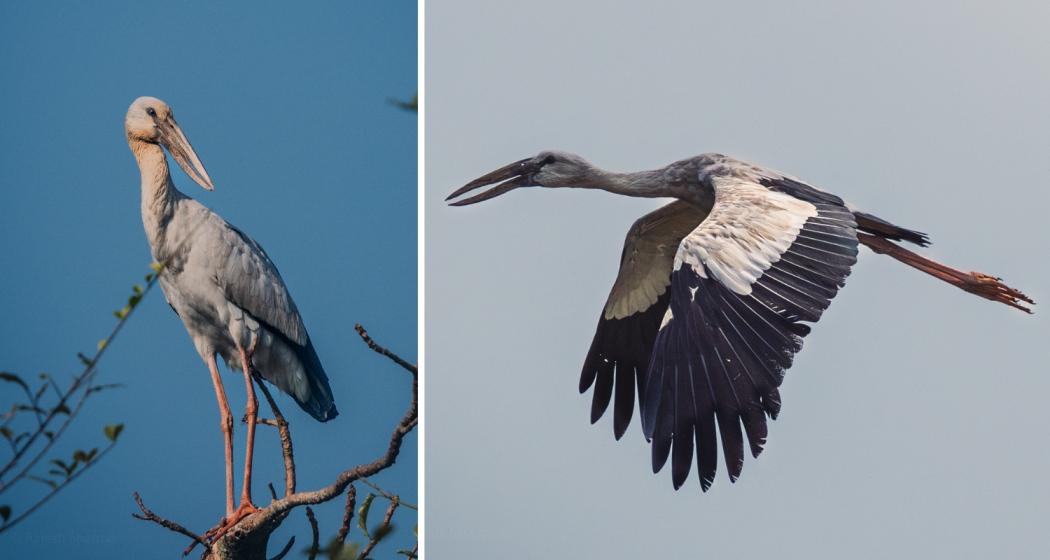
With the arrival of the monsoon, the Na-mati region of Nazira in Assam’s Sivasagar district has once again transformed into a seasonal sanctuary, echoing with the harmonious calls of thousands of Asian Openbill Storks.
Nestled by the banks of the Dikhow River, this picturesque stretch becomes a thriving breeding ground each year as migratory birds descend upon its tall trees. For over 25 years, this annual natural ritual has unfolded with unwavering consistency during the months of June and July.
What makes the phenomenon remarkable is the remarkable community-driven conservation that protects these winged visitors. Villagers have consciously refrained from bursting firecrackers during Diwali and remain vigilant against poachers and miscreants to ensure the birds’ safety.
This grassroots approach has not only protected the storks but also created a model for harmonious coexistence between humans and wildlife. The presence of these birds enhances the region’s ecological balance, helping control aquatic snails and insects and supporting agricultural vitality.
“Openbill was a common bird, although was not seen by people as frequently these days. They are often found in suburban areas, where large groups, sometimes 50 to 60 birds, used to build their nests on a single tree,” nature enthusiast Firuj Hussain maintained.
Also read: Darjeeling launches 50,000‑tree plantation push to save hornbills
“One particularly interesting behaviour of the Openbill is their colony-based nesting. Before settling, a specific group of birds first inspects the area. Once satisfied, the leader calls the rest of the flock, and then the entire group arrives to begin nesting. Although the Openbill is not a migratory bird, its colony behaviour and nesting patterns are quite fascinating,” he added.
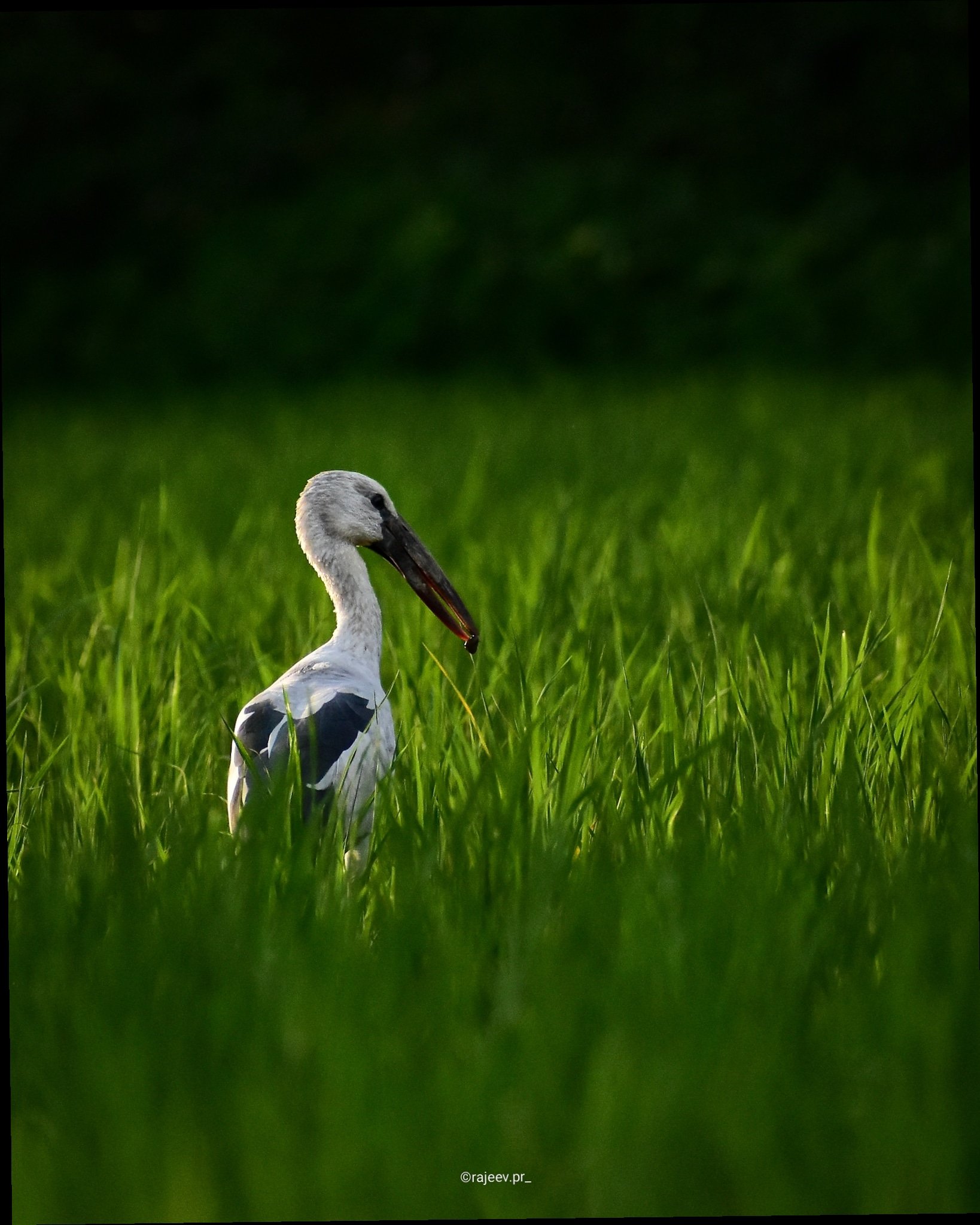
Hussain further highlighted the ecological benefits of their presence. “Another notable aspect is the white droppings, or ‘poop,’ scattered around their nesting trees. These droppings are rich in phosphorus and are very beneficial for agriculture. They help fertilise crops such as paddy and others commonly grown in the region.”
He explained that nesting patterns are temperature-sensitive. Birds instinctively choose nesting grounds that maintain specific temperature ranges vital for hatching. This instinctive precision, he said, is why they return to Na-mati every year. Locals believe the birds have visited the site for centuries, though it has only been documented for the past 24 years.
The annual arrival of the storks has now made Na-mati a seasonal eco-tourism hotspot, drawing nature enthusiasts and visitors from neighbouring districts. Local schools and social organisations are actively engaged in raising awareness about bird conservation and educating the younger generation.

 Follow us