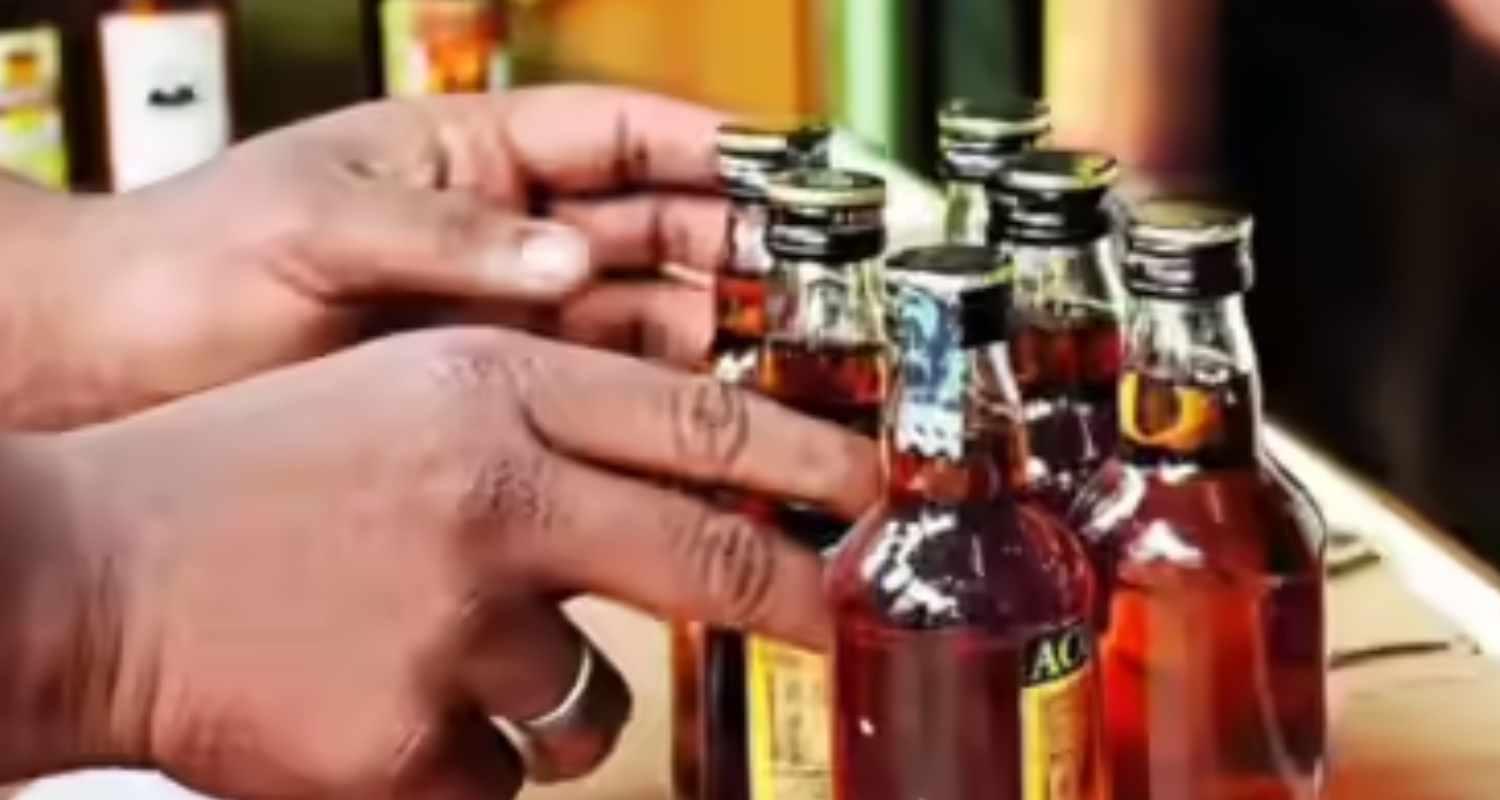
The Madras High Court has directed the Government of Tamil Nadu to fully implement a scheme for buying back empty liquor bottles across the state by May 31 in order to address environmental concerns caused by their indiscriminate disposal.
The directive was issued by a special bench of the court that hears cases related to environmental and forest conservation. The bench, comprising Justices N Sathish Kumar and T Bharatha Chakravarthy, was hearing a case regarding the implementation of the empty bottle return scheme.
Earlier, the court had instructed the state government to introduce the scheme statewide to curb environmental damage caused by discarded liquor bottles. During previous hearings, the government informed the court that the initiative had already been implemented in 29 districts and requested additional time to extend it to the remaining districts. The court had granted a one-month extension.
When the matter was taken up again, the government counsel told the bench that tenders had been floated for printing QR codes on liquor bottles. Once the system becomes operational, the collection of empty bottles would not place an additional burden on employees of the Tamil Nadu State Marketing Corporation Limited (TASMAC), which manages liquor sales in the state.
The government also submitted that opposition from employees had delayed the full rollout of the scheme. Since it was already functioning in 29 districts, the state sought time until the end of May as a final opportunity to implement it in the remaining districts.
However, the bench questioned why the scheme had not yet been extended statewide despite the earlier one-month extension. The judges observed that issues relating to employee opposition should have been resolved by now.
Noting that around 20 million liquor bottles are sold every day in the state, the bench set May 31 as the final deadline for implementing the empty bottle return scheme across Tamil Nadu.
The court further warned that if the scheme is not implemented within the stipulated time, it would direct the TASMAC administration to collect an environmental compensation fee of Rs 10 for every bottle sold thereafter.
The judges also pointed out that some empty bottles get broken or damaged during collection because they are bundled together in sacks. They directed the TASMAC administration to issue proper instructions for handling and collecting empty bottles to avoid such damage.
The matter has been adjourned for further hearing on June 5.

 Follow us