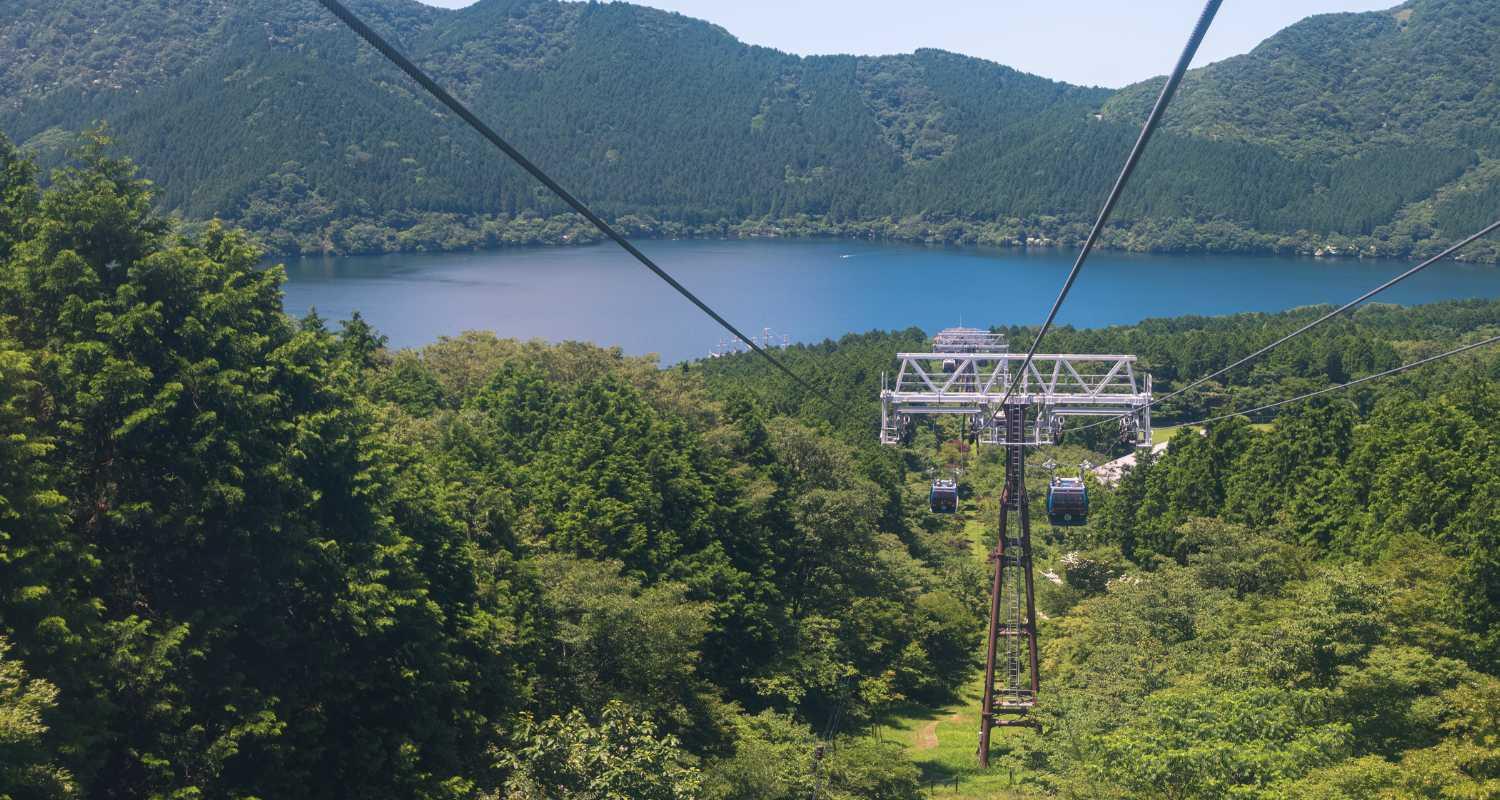
Hyderabad is preparing to introduce an urban ropeway-based public transport system across key parts of the city, in a move aimed at easing traffic congestion and improving last-mile connectivity. Although ropeways are traditionally associated with hilly regions and tourist destinations, authorities in Hyderabad are now planning to adopt the concept for mass urban transit, following the emerging “Varanasi model” of ropeway transport.
The proposal is being developed by the Unified Metropolitan Transport Authority (Unified Metropolitan Transport Authority), functioning under the Hyderabad Metropolitan Development Authority. Officials are currently working on an action plan to implement ropeway corridors across selected urban stretches, drawing inspiration from the Varanasi ropeway project, which is India’s first large-scale public transport ropeway system designed to reduce road congestion.
As part of the Hyderabad plan, authorities are considering integrating ropeway stations with existing Metro and railway hubs, enabling smoother movement between transport networks and nearby commercial and business centres. The system is also expected to link major tourist attractions, creating a connected aerial circuit across parts of the city. The project is proposed to be executed under the Public-Private Partnership (PPP) model, reducing the financial burden on the government while encouraging private investment.
Among the key routes under discussion are a possible 2 km aerial connection between Golconda Fort and Qutb Shahi Tombs, along with an extended corridor that could reach Nehru Zoological Park, covering a total distance of nearly 6 km. Additional proposals include ropeway connectivity between Tank Bund and Sanjeevaiah Park, as well as routes within Hyderabad’s busy IT corridor to address peak-hour congestion.
Officials believe the system could significantly reduce travel time for short urban distances that are currently affected by heavy traffic, especially during peak hours and monsoon conditions when road movement becomes difficult. They also noted that Hyderabad has multiple zones suitable for ropeway infrastructure, making the proposal viable from a planning perspective.
At the same time, concerns regarding safety standards and affordability have been highlighted, with authorities emphasising that the system must remain accessible to the general public while maintaining strict operational safety norms.
The Varanasi ropeway project, which serves as a reference model, involves a 3.8 km route connecting Varanasi Cantonment Railway Station to Godaulia Chowk with five stations in between. It is designed to carry around 96,000 passengers per day and is expected to reduce travel time from nearly one hour by road to approximately 16 minutes.
With Hyderabad now exploring similar solutions, the ropeway proposal is seen as part of a broader effort to diversify urban transport infrastructure and address growing congestion challenges in one of India’s fastest-expanding metropolitan cities.

 Follow us