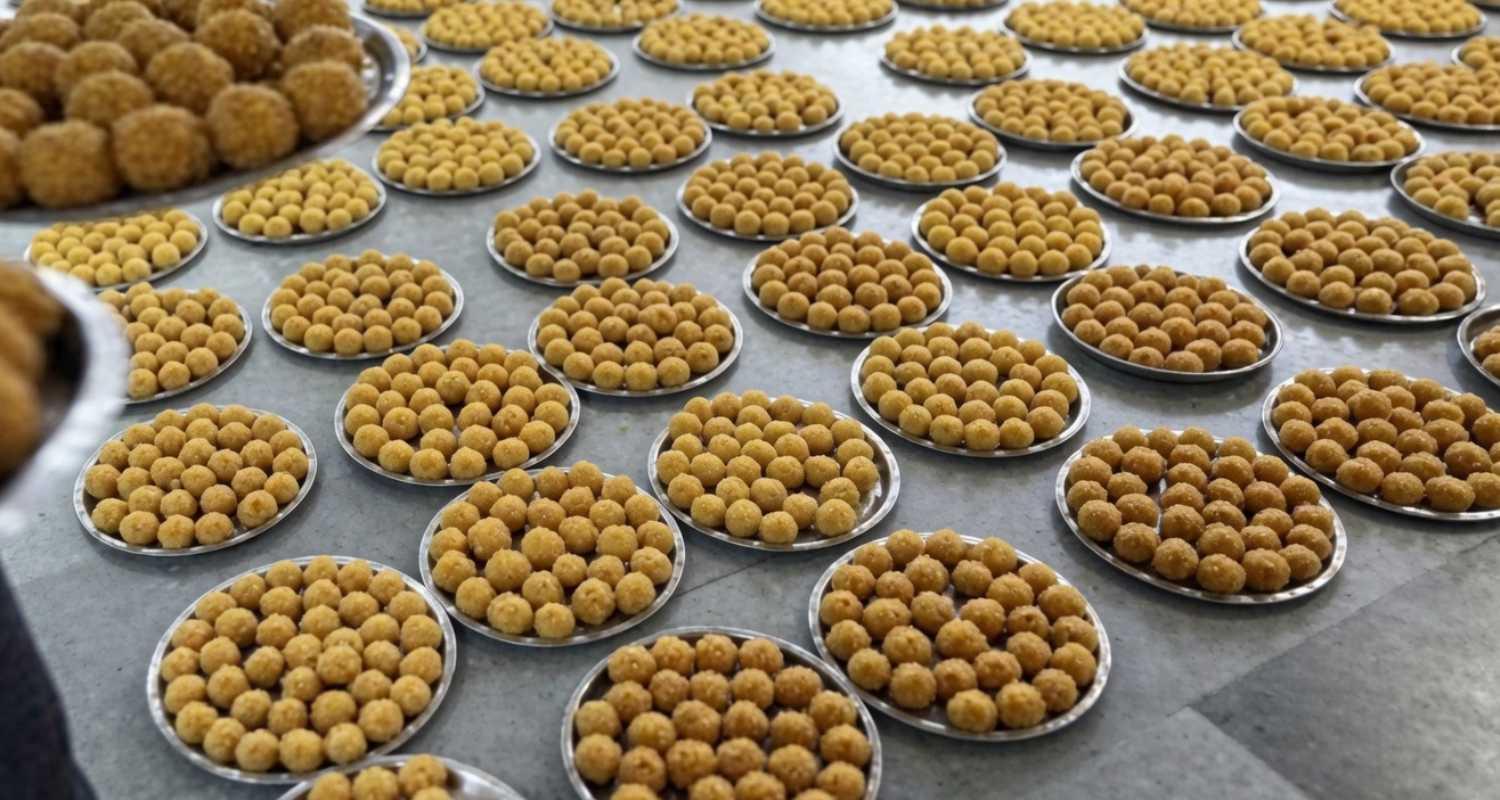
In a major initiative to enhance the safety, nutritional value, and quality of the sacred offerings distributed to millions of devotees, the Tirumala temple management has signed a Memorandum of Understanding (MoU) with the Mysuru-based Central Food Technological Research Institute (CFTRI) to bring scientific rigour into its food systems.
The collaboration seeks to bring scientific expertise into the extensive food and prasadam management systems of the Tirumala Tirupati Devasthanams (TTD), an autonomous body managing the affairs of India’s richest shrine. The partnership will focus on strengthening quality-control measures across procurement, preparation, storage, and distribution, while preserving their traditional character of a wide variety of prasadams.
Under the agreement, CFTRI, a CSIR institution, will assist the TTD in upgrading food-handling systems through scientifically validated technologies, advanced testing methods, and standardised workflows aimed at ensuring consistency and reducing contamination risks. Particular emphasis will be placed on improving procurement and storage practices through evidence-based interventions.
This comes in the backdrop of bitter lessons learnt from the controversy over Tirumala laddu adulteration last year and the TTD's efforts to ensure that all food and sacred prasadams are prepared and distributed with the highest standards of safety, nutrition, and quality, while preserving their traditional character.
CFTRI will also explore ways to improve prasadam packaging and shelf life without affecting its taste, texture, or cultural significance. In addition, it will conduct specialised training programmes for TTD personnel in food analysis, sampling techniques, contaminant detection, ghee quality assessment, and aroma profiling.
Senior CFTRI scientists will make periodic visits to TTD facilities to provide technical guidance, validate processes, and recommend measures for continuous improvement.
“Research-led packaging and shelf-life interventions will be developed to extend stability without compromising authentic taste, texture, or cultural value. CFTRI will provide structured training for TTD’s in-house food analysts and handlers in advanced analytical techniques, sampling protocols, contaminant detection, and specialised assessments such as ghee purity and aroma profiling,” said the TTD officials.

 Follow us