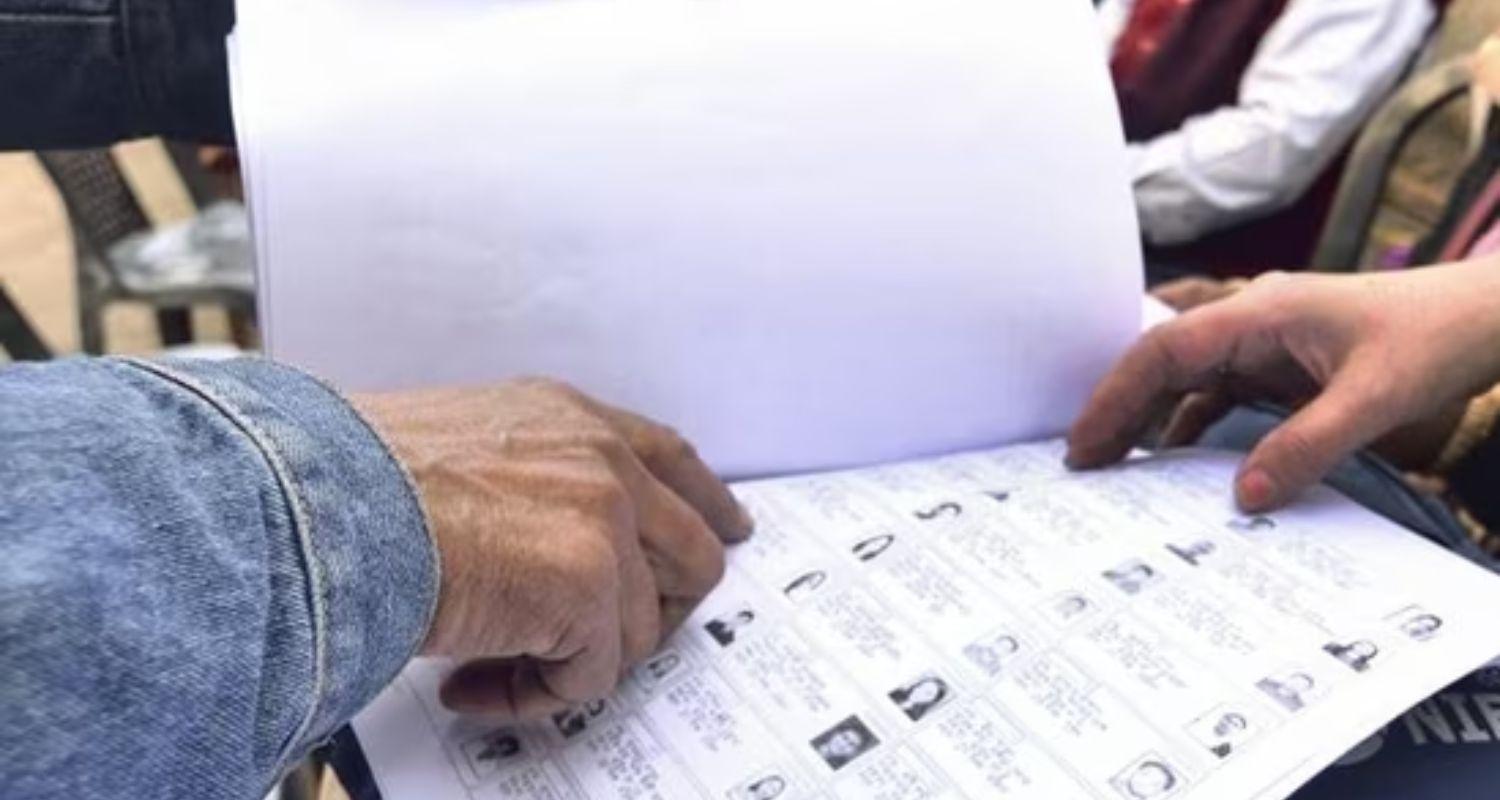
The voter list for the first phase of the West Bengal Assembly Election 2026 has been effectively finalised following the completion of a large-scale verification exercise involving applications flagged for “logical discrepancies” under the Special Intensive Revision (SIR) process.
Officials confirmed that out of 60 lakh such pending applications, verification has been completed for 45 lakh, resolving a significant portion of the discrepancies. As a result, no further verification work will be carried out for constituencies going to polls in the first phase, with focus now shifting to expediting the process for the second phase.
The filing of nominations for the first phase began on Monday and will continue until April 6. Sources within the Election Commission (EC) of India indicated that, given the ongoing nomination process, the Commission will not undertake any additional scrutiny of the “logical discrepancies” list for this phase.
The first phase of polling, scheduled for April 23, will cover the entire North Bengal region along with the two Midnapore districts in western parts of West Bengal.
Data from the verification exercise reveals that although 45 lakh applications were examined, only 38 lakh names have been included in the Supplementary Voter List so far. Of these, nearly 45 per cent were deemed ineligible. Consequently, approximately 21 lakh voters have been added to the final electoral roll, while around 17 lakh names have been excluded.
Overall, the SIR process has led to the removal of more than 80 lakh names from the voter list across the state. These include deceased individuals, duplicate entries, absentee voters, and those who have relocated. The figure also accounts for “unmapped” voters and those declared ineligible after verification of applications previously flagged for discrepancies by judicial authorities.
Meanwhile, the voter list revision process has come under judicial scrutiny, with a case currently pending before the Supreme Court of India. The verification of the 60 lakh applications was carried out in compliance with directives issued by the apex court, with judicial officers overseeing the process.
Concerns, however, persist over the possibility of eligible voters being inadvertently excluded. Election Commission officials maintain that the authority to determine the validity of the electoral process rests solely with the Commission. They also pointed out that once elections are formally announced, the process cannot be halted.
While there is no precedent of the Supreme Court intervening after the announcement of elections, observers note that the current situation may test the court’s interpretation of electoral safeguards.
Commission officials have attributed the complications surrounding the SIR process to a lack of cooperation from the state government, stating that the matter is now proceeding under the direct supervision of the Supreme Court, leaving little further role for the Commission at this stage.
Also read: BJP releases fourth list of 13 candidates for Bengal polls

 Follow us