
Trending:
Social media ban: Should India follow Australia's footsteps?
Safeguarding their kids from the potential harms of the social media platforms is one of the biggest challenges that parents face today. “Where and how to draw the line?” is the typical dilemma of the present-day parents, fretting over their wards fiddling with their mobile phones all the time. Follow us
News Arena Network - Chandigarh - UPDATED: December 17, 2025, 05:31 PM - 2 min read
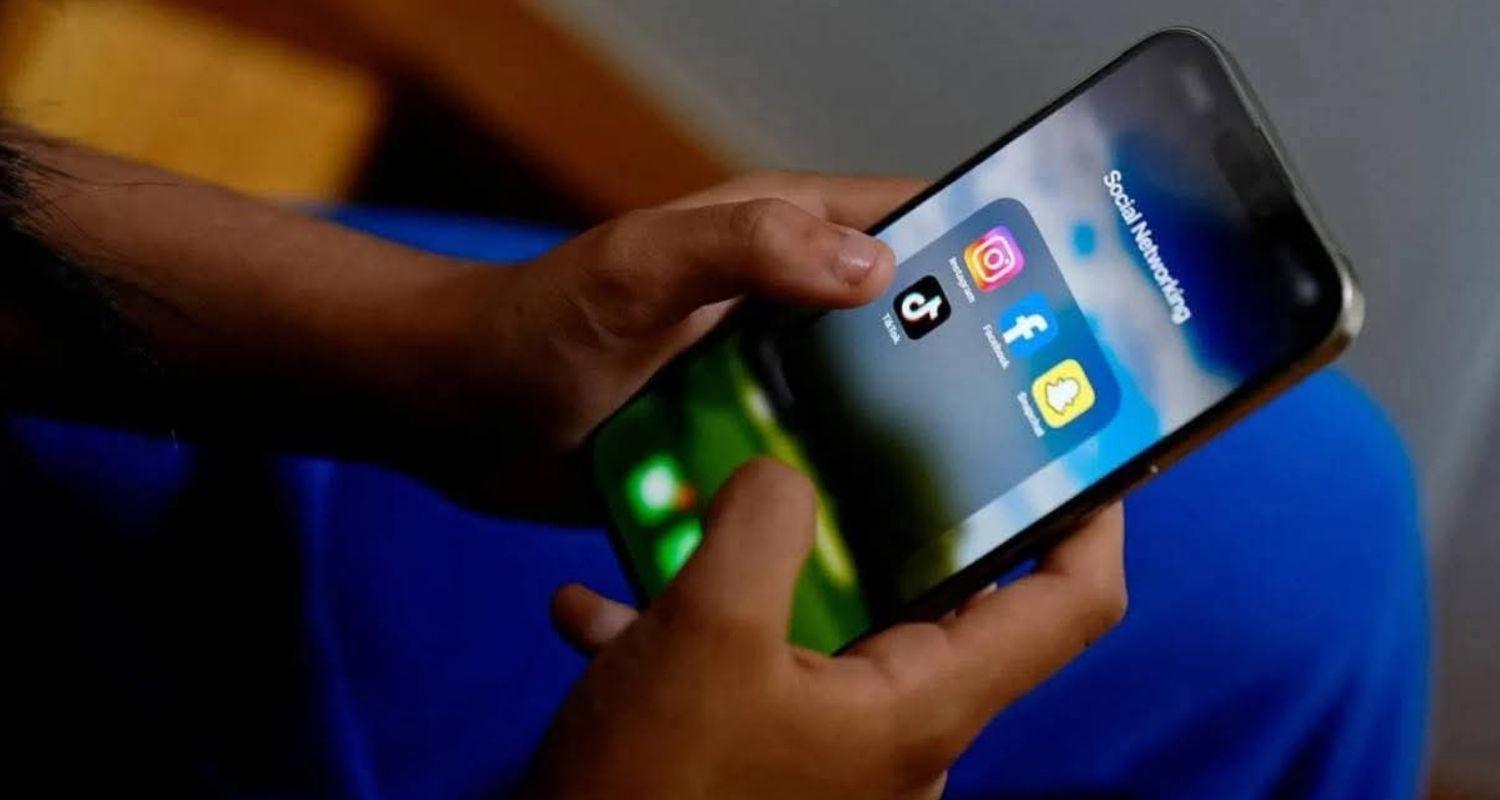
It is a challenging task for the governments to formulate an institutional mechanism to regulate social media.
The exponentially growing social media is like a double-edged weapon. On one hand, the penetration of the internet and smartphones have democratised the flow of information, on the other hand, they have spawned a dangerous trend of spreading cyber offences. Of particular concern is the growing screen addiction among children.
Cyberbullying, digital addiction and mental illness are the worst nightmare scenarios for parents of teenage children. Safeguarding their kids from the potential harms of the social media platforms is one of the biggest challenges that parents face today. “Where and how to draw the line?” is the typical dilemma of the present-day parents, fretting over their wards fiddling with their mobile phones all the time.
In most cases, they are confused about what strategy works best and how to strike a balance between personal freedom and safety. Underage children, constantly glued to their mobile screens—sucked into the algorithm-driven platforms like Facebook, Instagram, Snapchat, TikTok, X and YouTube—run the risk of getting disconnected from the real world and becoming aloof and socially awkward.
Moreover, the online world is a minefield of dangerous allurement. At a time when social media has become an integral part of our lives, parents around the world constantly worry about how to shield their children from the risks associated with these platforms until they are mature enough to navigate it responsibly.
Australia shows the way
Australia has become the first country in the world to come up with a solution, though a radical one. It has passed a law banning access to social media platforms for children under 16 years.
The new federal law, which came into effect earlier this month, is the most sweeping measure till date aimed at shielding young people from the potential harms of the social media platforms. It puts the onus on social media companies to prevent children from accessing their platforms.
“Social media is doing social harm to our kids. We want them to have a childhood and parents to know we have their backs," Prime Minister Anthony Albanese has declared.
Expectedly, the opinion is divided over social media ban. While the Australian government has asserted that it is meant to protect the children, tech giants and a section of human rights groups say such radical steps will not work.
In a country where over 80 per cent of the children aged below 16 years use social media platforms, a strong pushback is expected from the Gen Z groups.
A recent survey conducted by national broadcaster ABC found that 70 per cent of respondents aged between 9 to 15 did not think the social media ban is a good idea, while another survey revealed that nearly 77 per cent of the adult population backed the ban.
Should India follow suit?
While several nations, including the European Union, Indonesia, Malaysia and New Zealand, have evinced interest to follow Australia’s footsteps to regulate social media use for children, the question is whether a blanket ban is a desirable solution or a middle path can be explored.
It is a challenging task for the governments to formulate an institutional mechanism to regulate social media in a manner that strikes a healthy balance between the imperatives of the national security and social order and the need for protecting privacy of citizens, particularly the safety of children.
Also read: Australia social media ban for children U-16 comes into effect
It would be over-simplistic on the part of the government to fix the accountability on the social media companies alone for finding technological solutions to curb objectionable content. Even the Australian authorities have tried to tamp down expectations that the law will be an overnight fix. They argue that the main objective of the federal legislation is to support parents who feel powerless against the lure of social media and peer pressure among teens.
With lower Internet tariffs, penetration of smart devices and last-mile connectivity, more and more people in India are becoming part of social media platforms, creating and consuming the content.
While the intent of the Australian law is laudable, there are practical problems with the implementation of a sweeping ban. While social media companies have been asked to identify and disable the accounts of users who are under 16, the VPNs (virtual private networks) which hide a user’s location can come in handy for underage users to explore ways to circumvent the ban. Ideally, the campaign for responsible use of social media platforms must start at home and by parents.
On its part, India can explore a regulatory model by bringing various stakeholders on board — parents, educators, social media platforms, and influencers.
Harmful impact
There are numerous research studies highlighting harmful effects of the overuse of social media on kids. Their mental health is being impacted by misinformation, cyberbullying, body shaming and pornography. The perils of online toxicity were chillingly depicted in the award-winning Netflix series Adolescence.
A latest global study on the impact of growing up with smartphones confirms the negative outcomes of an early digital embrace. It examined the mental well-being of those aged 18 to 24 years in relation to the age at which they first got their own smartphone or tablet.
As per the findings by the US-based Sapien Labs, delaying access to such a device could result in better mental health. Earlier age of smartphone ownership among the 18-24-year-olds is associated with much poorer mental health outcomes, with women being affected more. The mental well-being of each younger generation has progressively declined. Simultaneously, the rapid adoption of smartphones during this period has changed the cognitive and social habits of users, says the report. The results are consistent across regions, including South Asia, and thus apply to India as well.
Problems with suicidal thoughts, feelings of aggression towards others, a sense of being detached from reality and hallucinations declined significantly with older age of first smartphone ownership. The report by the Sapien Labs Centre for the Human Brain and Mind, in collaboration with the US-based Institute for Financial Management and Research (IFMR), makes a critical contribution in shaping our understanding of the role of early access to technology in influencing mental health outcomes for children and youth.
The findings have significant implications for schools, parents, employers and others in India, home to over 200 million youth in the age group of 15-25 years. A survey has found that smartphone use among Indian children in the age group of 10-14 years was way above the international average. A study done by the National Commission for Protection of Child Rights (NCPCR) showed that over 37 per cent of children experienced reduced levels of concentration due to prolonged smartphone use. Such findings need careful consideration at all levels, and not just at the parental one.
There are concerns about cognitive and social habits of users changing as a result of early access to technology. Part of the blame has been placed at the doorsteps of the global tech giants for their reluctance on having guard rails. In 2021, it emerged that Facebook’s own research highlighted mental health issues among teenage girls, attributed to the Instagram app.
By clinging to a profit-first model driven by usage time and advertisement revenue, the social media platforms have allowed harmful practices to proliferate and endanger our children.
On every parent’s mind is whether the child is getting exposed to risks such as addictive social media, cyber bullying or inappropriate content. They have a difficult choice to make on when to allow their children to own a mobile phone.